A trip down the road that will determine the fate of the Amazon — SkimNews
Get the Energy newsletter
Daily energy & climate — solar, EVs, oil, the policy fights and tech bets shaping the transition. Free.
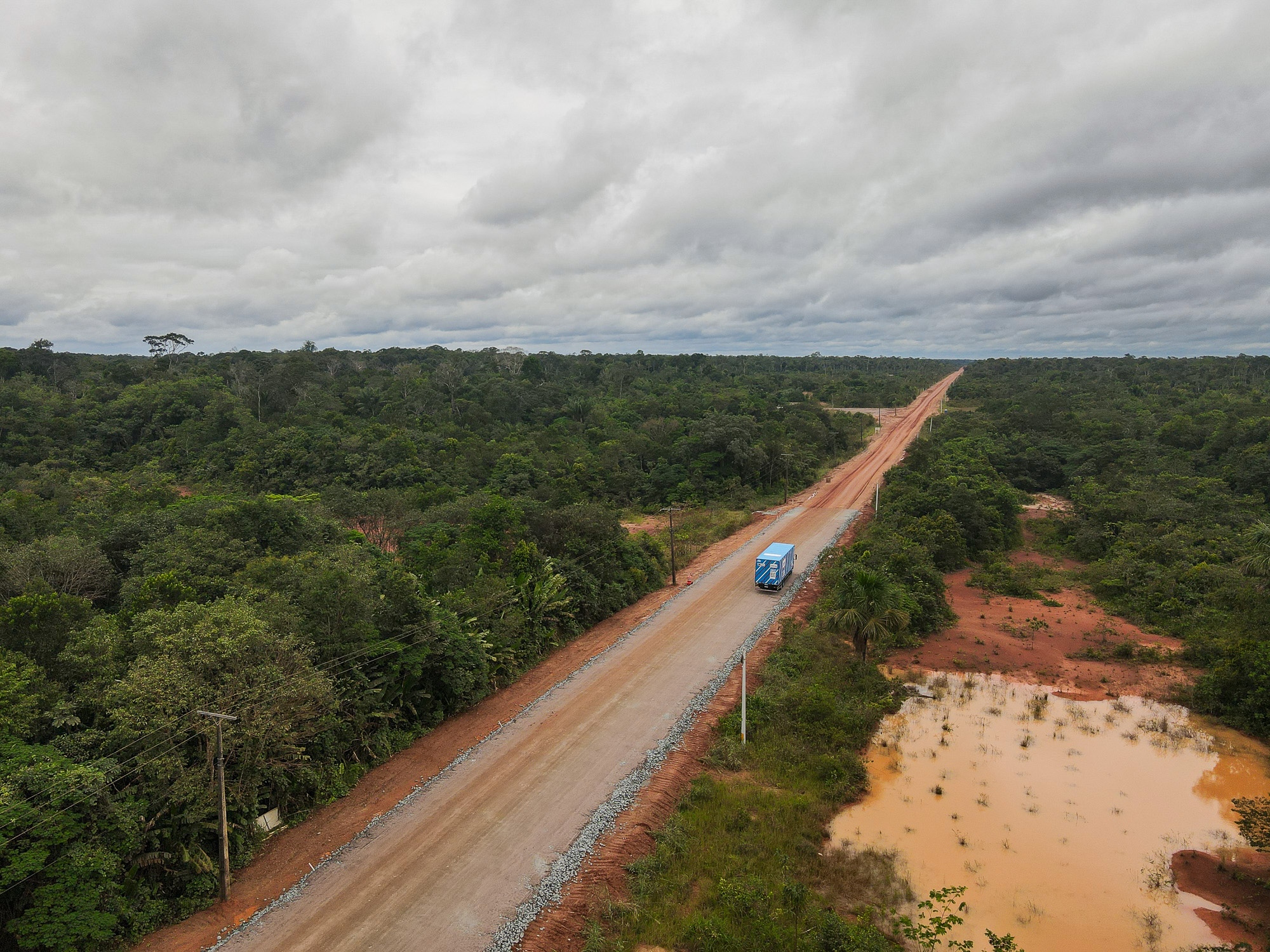
- BR-319 highway is being asphalted for the first time since 1988, with Brazil's government opening paving contracts in May 2025 and Transport Minister George Santoro announcing the entire 540-mile route would be "under construction" by the end of June.
- Brazil's Congress passed a 2025 law allowing work on existing roads to bypass environmental licensing; President Luiz Inácio Lula da Silva tried to veto parts of the bill but was overruled.
- Scientists warn paving will link previously inaccessible Amazon regions to its most under-pressure areas; the biome currently holds an estimated 150 to 200 billion tons of carbon in plants and soils, which is released when forest is cleared and burned.
- Jair Bolsonaro announced in 2018 he would pave the road after gutting environmental regulations, and that promise alone drove a 122 percent rise in deforestation in the surrounding area between 2020 and 2022.
- Carlos Santos, a 45-year-old truck driver from Manaus, recounted a 22-day crossing of the route during a surprise rainy-season downpour, sleeping in his cab while jaguars, tapirs, and snakes crossed in front of him.
- Manaus was shrouded in smoke for three months in 2023, with satellite and atmospheric research showing much of it originated from forest-clearing fires in districts at the start of the BR-319 like Careiro.
Why it matters: Brazil's 2025 law lets road construction skip environmental licensing entirely, and 94 percent of Amazon deforestation already sits within 3 miles of a road. Paving the BR-319 connects previously inaccessible forest to its most under-pressure zones, where clearing blazes already choked Manaus for three months in 2023.
Ask SkimNews