Pakistan arrests PTI leaders as Trump backs Munir — SkimNews

Get the Geopolitics newsletter
Daily geopolitics — wars, elections, sanctions, the diplomatic moves that move markets. Free.
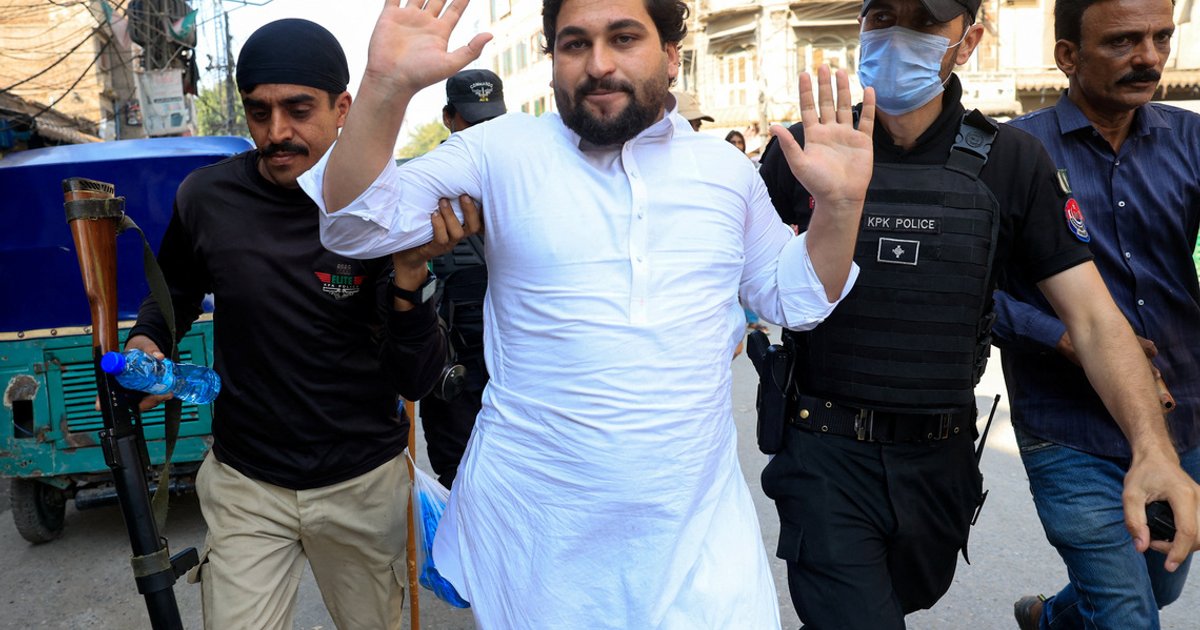
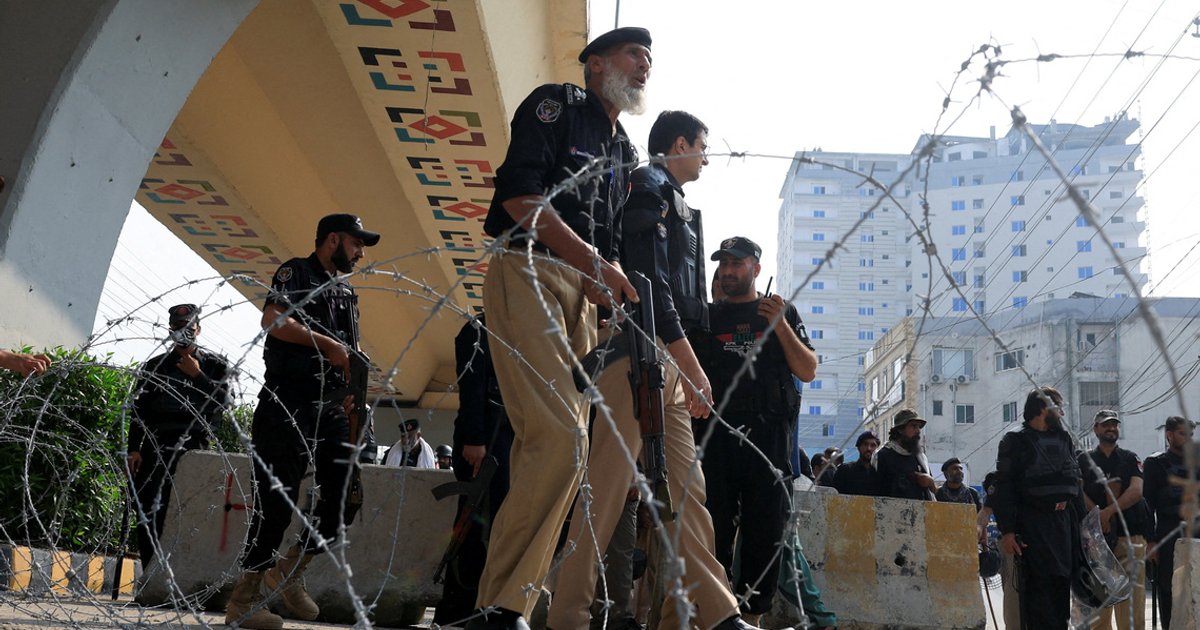
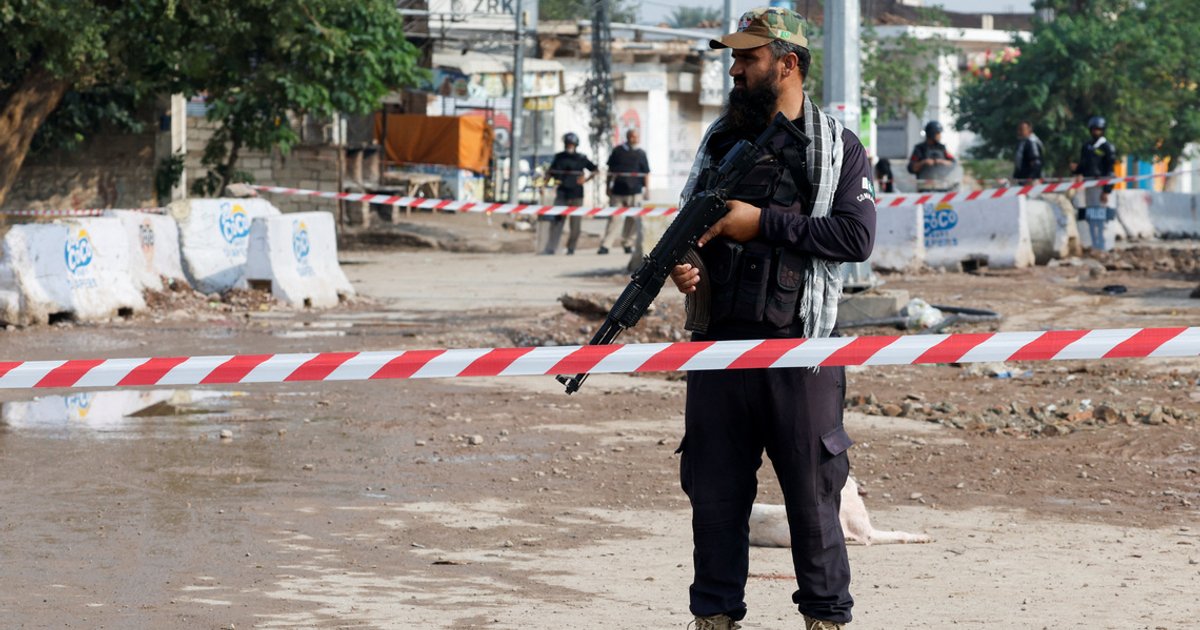
- President Asif Ali Zardari declared a state of emergency on Sunday in Khyber Pakhtunkhwa, suspending the elected provincial government and transferring authority to a federally appointed governor — a move PTI and rights groups called a thinly veiled coup to crush protests and a planned march on Islamabad demanding Khan's release.
- Hundreds of PTI members were arrested, including provincial chief minister Sohail Afridi and Imran Khan's three sisters; Khan himself was ousted in 2022 via a parliamentary no-confidence vote under Biden-era pressure.
- The Pakistani government cited escalating Islamist terrorist attacks as its justification, but Amnesty International's Babu Ram Pant warned emergency measures 'are not a blank cheque to crack down on human rights' and raised concerns over their proportionality.
- NetBlocks reported major internet disruptions across KP following the emergency declaration, with mobile networks disrupted, public transit closed, and several roads shut down.
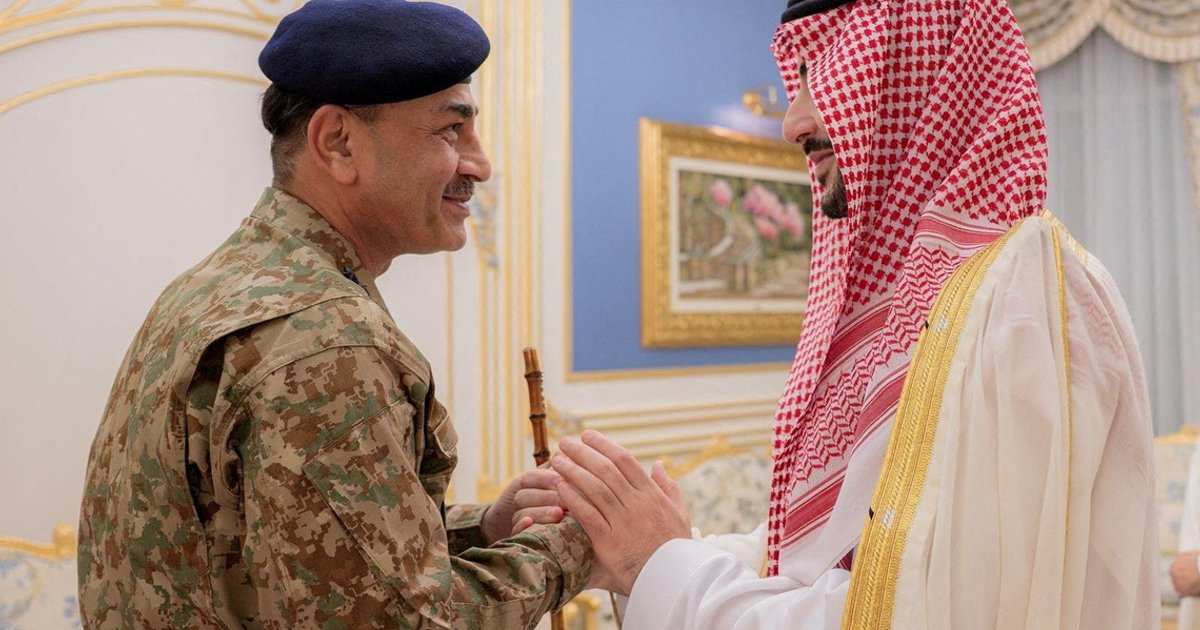
- President Trump has lavished praise on field marshal Asim Munir — calling him 'my favorite field marshal' and hosting him for an unprecedented two-hour Oval Office meeting — while approving a $686 million F-16 upgrade sale in December and tapping him as a Washington-Tehran intermediary.
- Pakistani analyst Hussain Nadim argued at George Washington University that Munir has made himself indispensable to Trump because US security needs 'confer international legitimacy as his military rule faces deep questions at home.'
- US-based advocacy groups, including Just Foreign Policy's Erik Sperling, urged Congress to cut off US training and military support, noting around one million Americans of Pakistani descent and arguing taxpayers should not fund a regime 'attacking its own people.'
Why it matters: Trump's $686 million F-16 sale and personal embrace of Munir give international cover to a Pakistani general whose forces have just replaced an elected provincial government and mass-arrested opposition members. Critics including Amnesty International and US advocacy groups argue congressional silence effectively legitimizes a military they accuse of 'weaponizing' criminal proceedings to keep Khan from power, while Pakistani diaspora communities of roughly one million Americans bear direct ties to the affected population.
Ask SkimNews