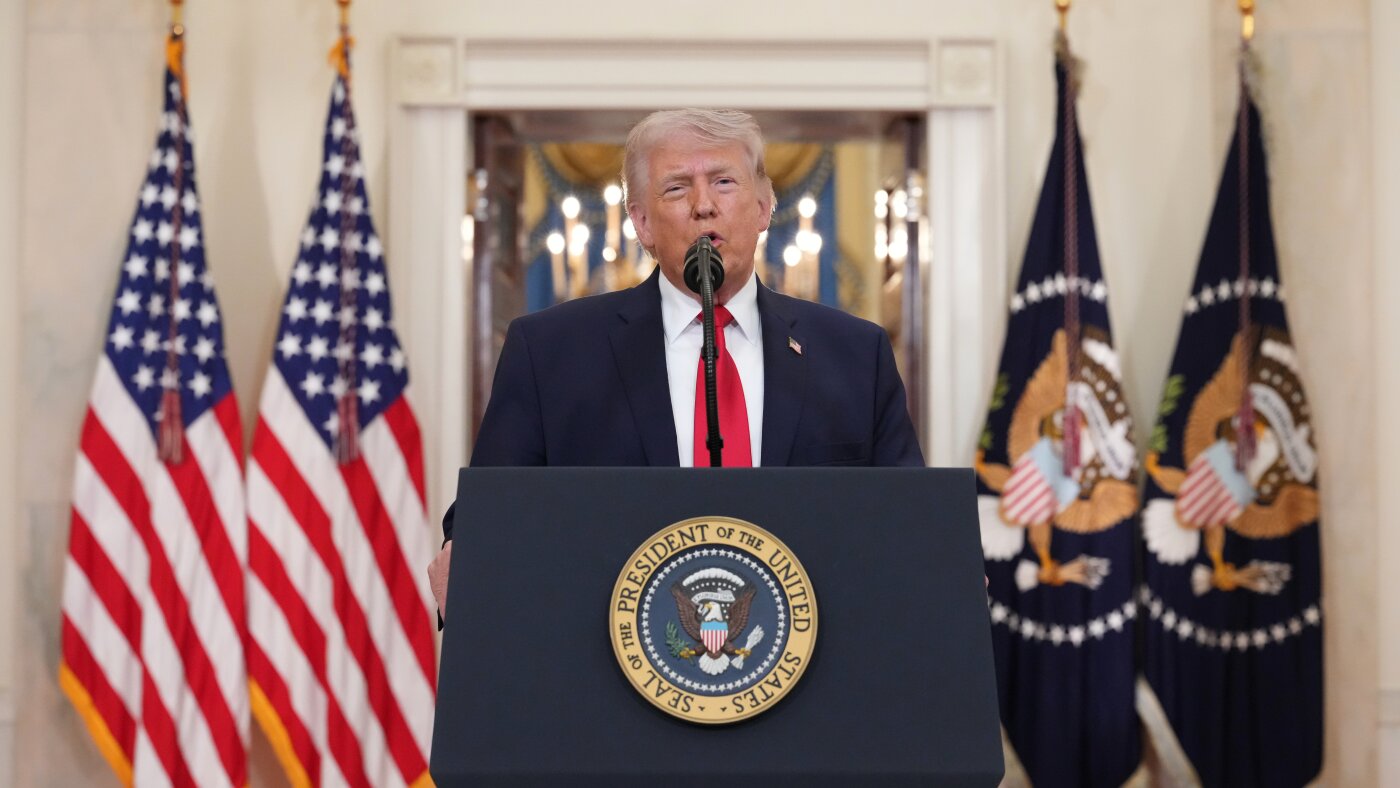
Trump claimed Iran deal 38 times as war continued
Get the Geopolitics newsletter
Daily geopolitics — wars, elections, sanctions, the diplomatic moves that move markets. Free.
- Trump claimed he was on the verge of a peace deal with Iran at least 38 times between late March and early June, according to CNN
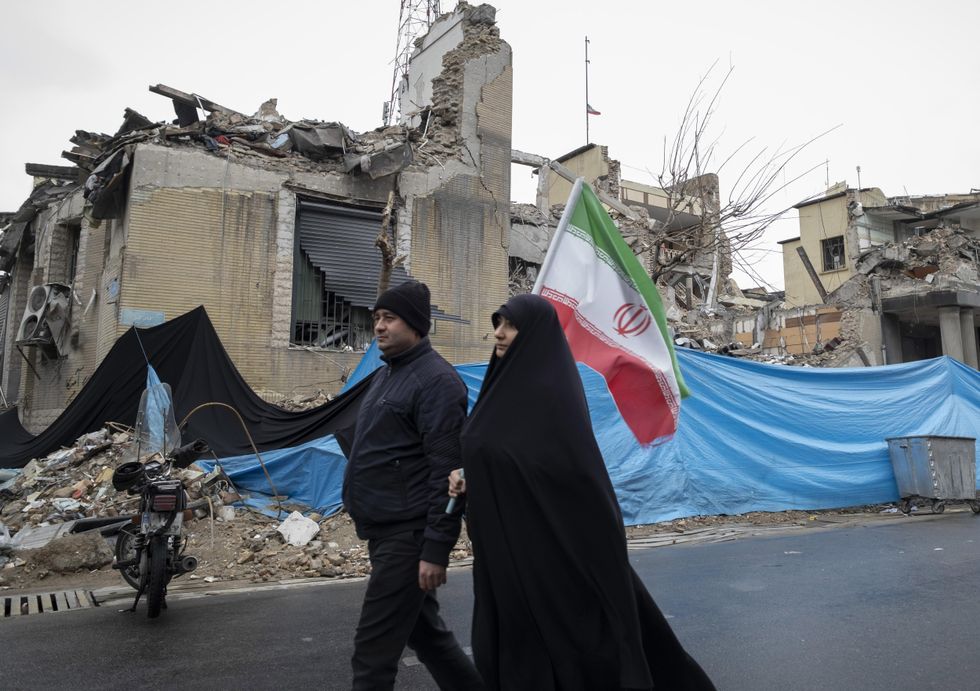
- Hegseth described Operation Epic Fury against Iran as "a historic and overwhelming victory, a capital-V military victory" at an April Pentagon press conference, even as the war continued
- A tentative memorandum of understanding to reopen the Strait of Hormuz and lift Iranian sanctions has been reached, alarming some members of Congress, with Trump citing a "record high" stock market and "tumbling" oil prices
- Hegseth declared the Pentagon press office a "classified space," curtailing journalists' ability to report on national security issues — making Vietnam's notoriously opaque "Five O'Clock Follies" look comparatively transparent by the article's account
- New York Herald Tribune reporter David Wise coined the term "credibility gap" in May 1965 to describe the disconnect between official Vietnam narratives and on-the-ground reality
- The New York Times published the Pentagon Papers in June 1972, exposing classified records of duplicitous decisions leading to the Vietnam War; Daniel Ellsberg asked what gave officials "the right to keep silent about the lies"
- Walter Cronkite, upon learning of the 1968 Tet Offensive, reportedly asked "What the hell is going on? I thought we were winning the war"
Why it matters: The article's central material claim is that wartime accountability infrastructure is being dismantled in real time: the Pentagon press office now carries a classified designation, narrowing the channel through which the public can independently verify claims about an active military campaign against Iran. By the author's reckoning, even Vietnam-era military briefings — long treated as the benchmark for opaque wartime communication — were more accessible than today's Pentagon.
Ask SkimNews