Trump's Iran war has no political end state — SkimNews
SkimNews Take
Transplanting a bounded-perimeter doctrine to a continental adversary with distributed proxies eliminates the off-ramp that made the original strategy sustainable, converting maintenance operations into escalation without end.
Get the Geopolitics newsletter
Daily geopolitics — wars, elections, sanctions, the diplomatic moves that move markets. Free.
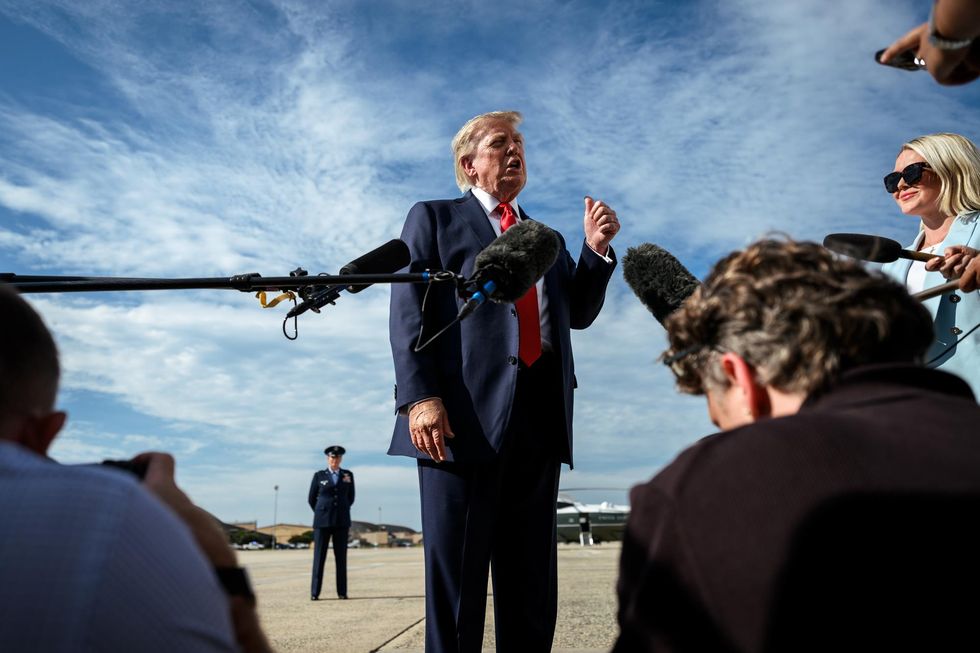
- Trump launched a war with Iran two weeks ago without a clear casus belli or articulated political end state, framing the conflict as ending a "47-year-long" struggle
- The Trump administration has used military force as a tool of first resort across Yemen, Iran, Venezuela, and Iran again, each time without defined end states
- Pete Hegseth and administration officials blame rules of engagement and "wokeness" during the Global War on Terror for past military failures, arguing political restraint constrained combat prowess
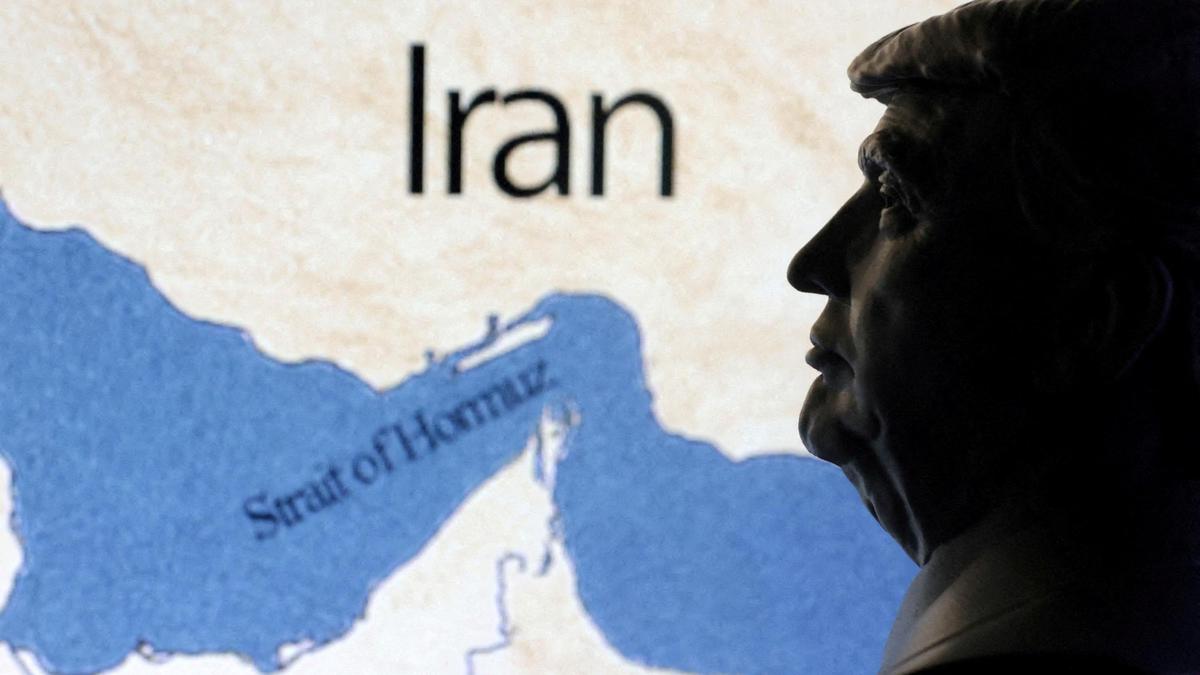
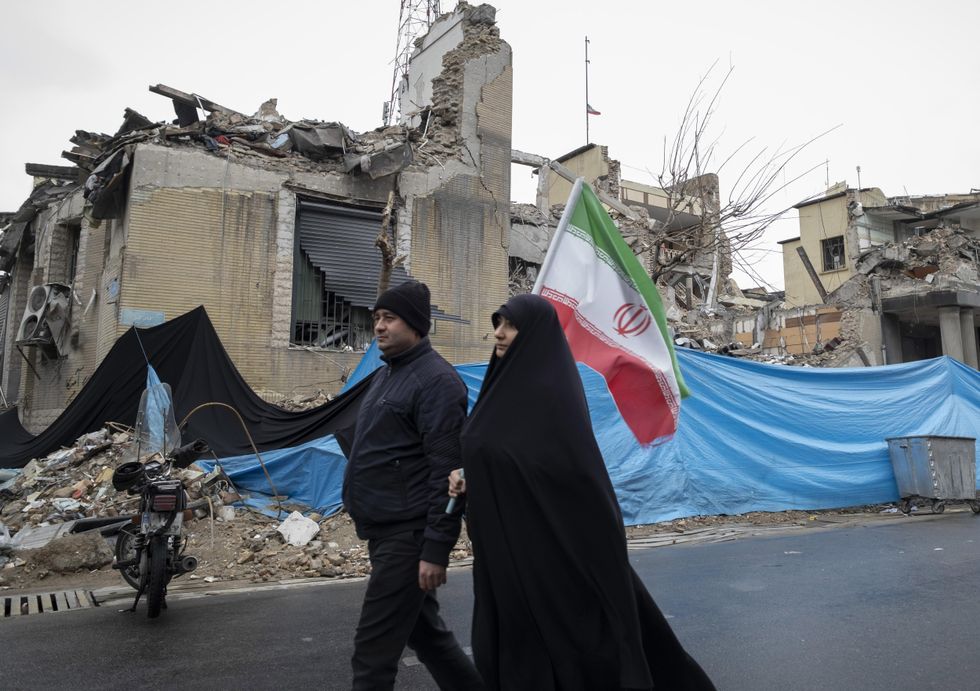
- The administration's stated mission is destroying Iran's naval and missile forces and "obliterating" its nuclear program, but the political end state these strikes secure remains undefined
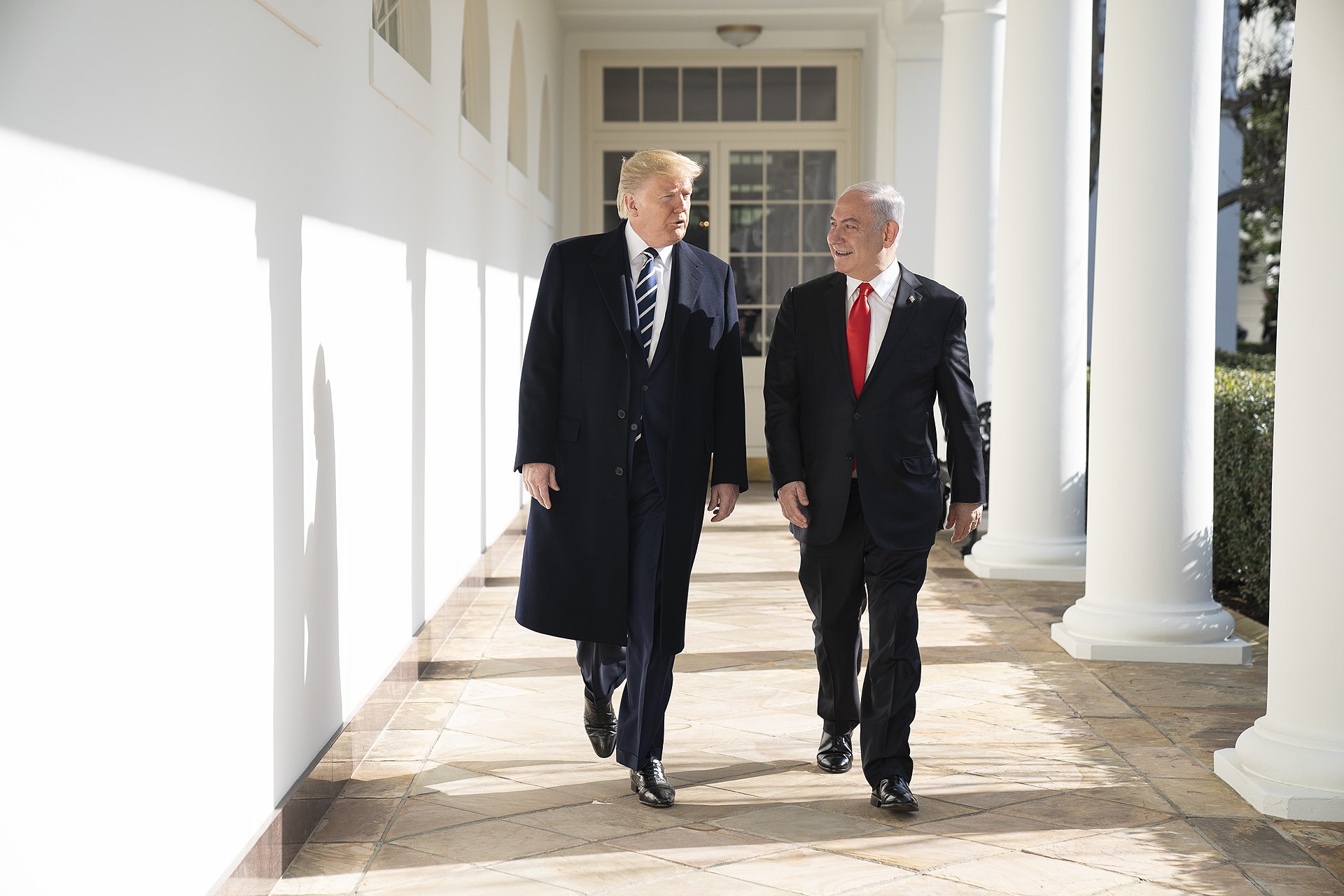
- The source draws a direct parallel to Israel's "mowing the grass" strategy, in which periodic military campaigns substitute for political strategy
- Trump's 2024 "pro-peace ticket" did not campaign on the Iran conflict, and he declared in his first term that "great nations do not fight endless wars" — a standard the current policy fails to meet
Why it matters: The administration has initiated military action across at least four theaters without defined political end states, directly contradicting Trump's first-term doctrine that "great nations do not fight endless wars" and his 2024 "pro-peace" campaign platform — committing the U.S. to open-ended conflict.
Ask SkimNews