Iran, US Say Peace Deal 'Never Been Closer' as Terms — SkimNews
Get the Geopolitics newsletter
Daily geopolitics — wars, elections, sanctions, the diplomatic moves that move markets. Free.
- Iran's Foreign Minister Seyed Abbas Araghchi declared a deal to end US fighting "never been closer," and mediating Pakistani Prime Minister Shehbaz Sharif said a "final, agreed upon text of the peace deal has been reached" and Pakistan is now working to finalize next steps.
- Trump reposted Araghchi's statement but accused Iran of dishonorably leaking deal details that "bear no relation to the truth," and on Thursday announced he had cancelled "scheduled attacks" on Iran because negotiators had "just made a great settlement."
- Iranian state outlet Mehr published alleged terms including the lifting of a US naval blockade, at least $300bn (£223bn) in reparations for US and Israeli strikes, and release of half Iran's frozen assets before final negotiations even begin.
- The deal is "performance-based," a senior US official told reporters — Iran receives no money for signing and earns benefits only by destroying nuclear material, reopening the Strait of Hormuz, and ceasing funding of proxy groups like Hezbollah.
- A senior US administration official put the odds of a signed deal at 80% to 85%, citing "internal fractures" within Iran's government and the complexity of the remaining steps as the cause of delays.
- Israel is not part of the Pakistan-mediated talks, though the US official said Washington is "quite confident" Israel and Gulf Cooperation Council states "will get on board" — a notable risk given the reported terms include an end to Israeli conflict with Iran-backed Hezbollah in Lebanon.
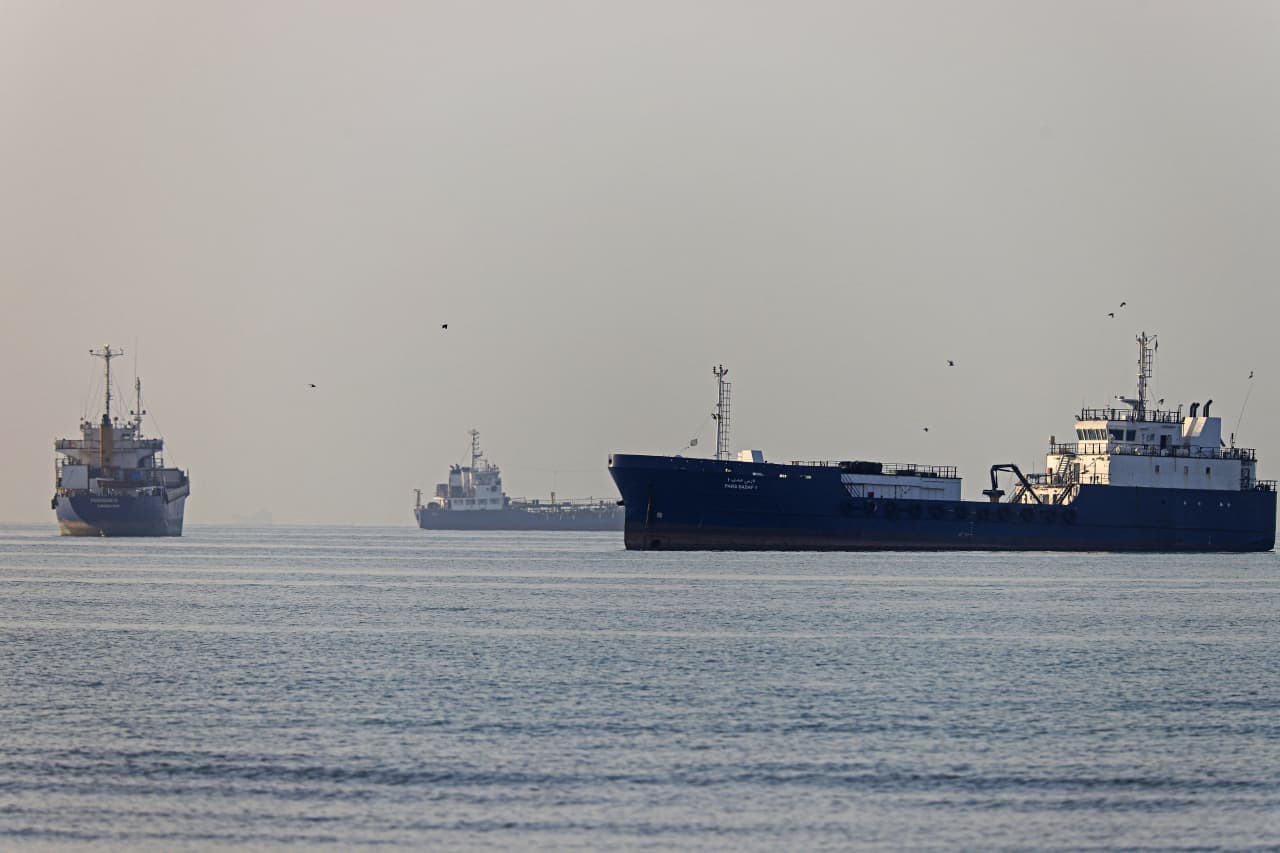
- The hostilities began with US and Israeli strikes on Iran on 28 February; Iran retaliated against Israel and US-allied Gulf states and effectively closed the Strait of Hormuz, with an April ceasefire failing to prevent two more rounds of tit-for-tat strikes this week.
Why it matters: A senior US official put signing odds at 80% to 85%, but the deal is performance-based: Iran gets nothing until it destroys nuclear material, reopens the Strait of Hormuz, and stops funding proxies. Tehran's leaked $300bn reparations demand and pre-negotiation asset release reveal how far apart the two sides still are.
Ask SkimNews