Fire amoeba breaks eukaryote heat record at 63°C — SkimNews

Get the Health newsletter
Daily health & science — research, biotech, public health, the studies worth knowing. Free.
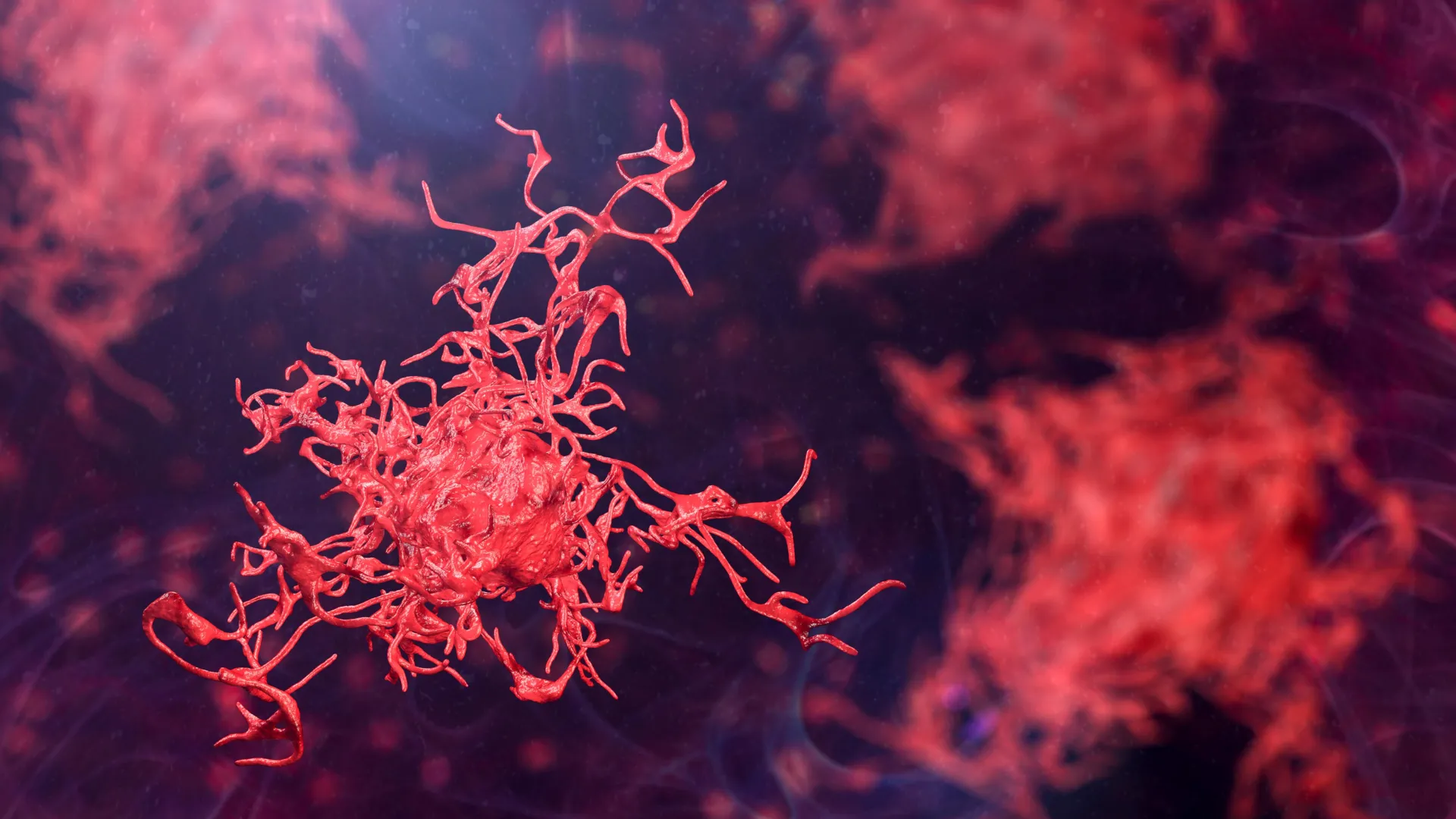
- Incendiamoeba cascadensis, nicknamed the "fire amoeba," was discovered in a half-metre-wide geothermal stream at Lassen Volcanic National Park, where it grows and reproduces up to 63°C and survives as a dormant cyst up to 70°C.
- Angela Oliverio at Syracuse University said the 60°C threshold had been considered the "4-minute mile" barrier for eukaryotes — organisms whose cells protect DNA in a nucleus, a group that includes all animals and plants — and her team's finding pushes that record by at least 3°C.
- Bob Leung at Monash University called the result "a significant leap" extending the eukaryotic growth record and said he will need to rewrite his extremophile lectures.
- Lab tests across 17 temperatures found no growth below 40°C or above 63°C, with optimal growth between 55°C and 57°C; above 64°C the amoeba rolls into a protective cyst that is "inactivated" past 70°C.
- At roughly 40 micrometres long and 10 µm wide — over 10 times the size of an average bacterial cell — the fire amoeba functions as the top-order predator of its stream, feeding on far more abundant thermophile bacteria.
- Searching worldwide e-DNA databases, the team found RNA matches in geothermal mats at New Zealand's Taupō Volcanic Zone and three matches in Yellowstone National Park, suggesting closely related heat-tolerant species may already exist elsewhere.
- Methanopyrus kandleri, a single-celled archaeon lacking a nucleus, can still survive far higher temperatures — up to 122°C — underscoring that simpler life remains the record-holder for sheer heat tolerance.
Why it matters: The discovery shifts the upper temperature ceiling for eukaryotic growth from 60°C to 63°C, and the eDNA matches in New Zealand and Yellowstone hint that more heat-tolerant eukaryotes are already out there waiting to be cultured. For extremophile researchers like Leung, who now must revise their lectures, the practical consequence is that textbook boundaries on where complex life can thrive need immediate updating.
Ask SkimNews