Navy banks on bunker-busting Tomahawk vs. China bunkers — SkimNews

Get the Geopolitics newsletter
Daily geopolitics — wars, elections, sanctions, the diplomatic moves that move markets. Free.
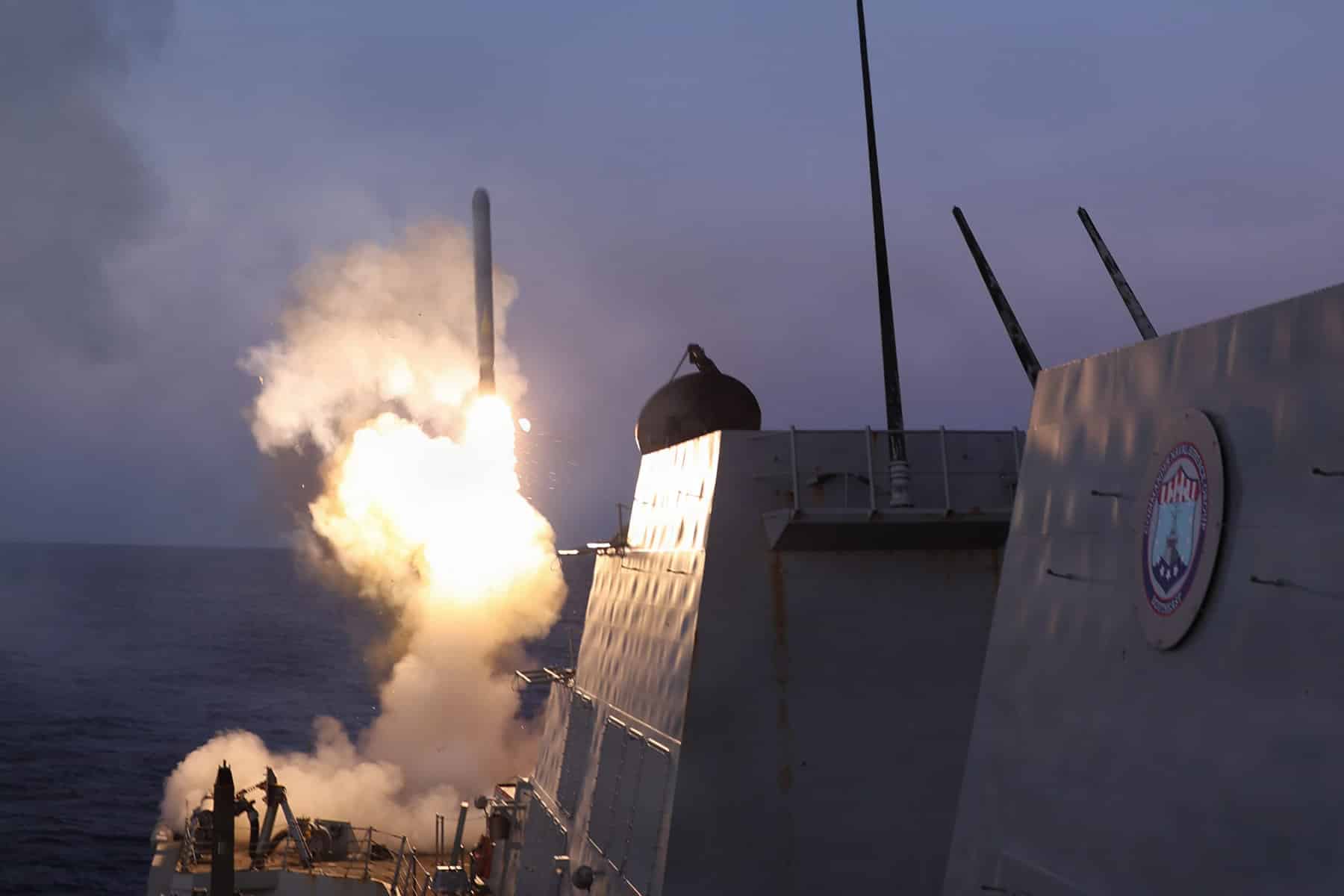
- The US Navy plans a sole-source contract with Raytheon for low-rate initial production of the Joint Multiple Effects Warhead System (JMEWS), a bunker-busting Tomahawk Block Vb variant that can strike hardened underground bunkers, missile silos, and command centers from about 1,600 kilometers away, with funding slated for 35 re-certified missiles ahead of a projected 2027 initial operational capability.
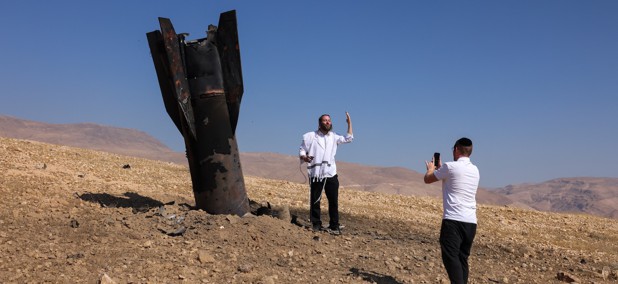
- Iran's rapid reconstruction after Operation Epic Fury — preserving an estimated half of its mobile launchers and firing 15-30 ballistic missiles daily despite 20,000+ US and Israeli strikes — exposed the limits of existing standoff weapons and drove JMEWS requirements.
- PLA Rocket Force Base 61 in Huangshan, Anhui disperses DF-17, DF-16, and DF-15 transporter-erector-launchers across subterranean tunnel complexes linked to command posts by dedicated fiber-optic networks, making "shooting the archer" insufficient and requiring bunker-buster strikes against underground missile facilities.
- The US maintained roughly 3,100 Tomahawks before Operation Epic Fury and expended more than 1,000 by April, with unit replacement costs of $2.6 million and 47-month procurement lead times — a structural bottleneck that would exhaust inventories faster than assembly lines can rebuild them in a high-intensity Pacific fight.
- Ukraine's July 2026 air defenses destroyed 31 of 33 Russian Kh-101s and all 6 Kalibr cruise missiles in a single attack, underscoring doubts over how subsonic Tomahawks would fare against China's modern and dense air-defense network compared with adversaries like Iran with obsolete or disjointed defenses.
- The US Army's Typhon launcher forward-deployed to the Philippines carries a sizable multi-vehicle footprint vulnerable to Chinese ISR tracking and rapid counter-battery strikes, while US surface ships face saturation attacks that deplete limited missile interceptors and submarines must navigate China's growing First Island Chain tracking capability.
- The Nuclear-armed Sea-Launched Cruise Missile (SLCM-N) program creates uncertainty about whether a Tomahawk strike on the Chinese mainland is conventional or nuclear, heightening the risk of inadvertent nuclear escalation from subterranean bunker-buster attacks.
Why it matters: With 47-month procurement lead times and $2.6 million unit costs, the US would exhaust its roughly 2,000 remaining post-Iran-war Tomahawks faster than assembly lines can replace them in a high-intensity Pacific conflict — meaning the JMEWS-armed Block Vb solves a tactical penetration problem while the industrial base remains the strategic bottleneck.
Ask SkimNews