Raytheon Wins Sole-Source Deal for Bunker-Buster Tomahawk — SkimNews

Get the Geopolitics newsletter
Daily geopolitics — wars, elections, sanctions, the diplomatic moves that move markets. Free.
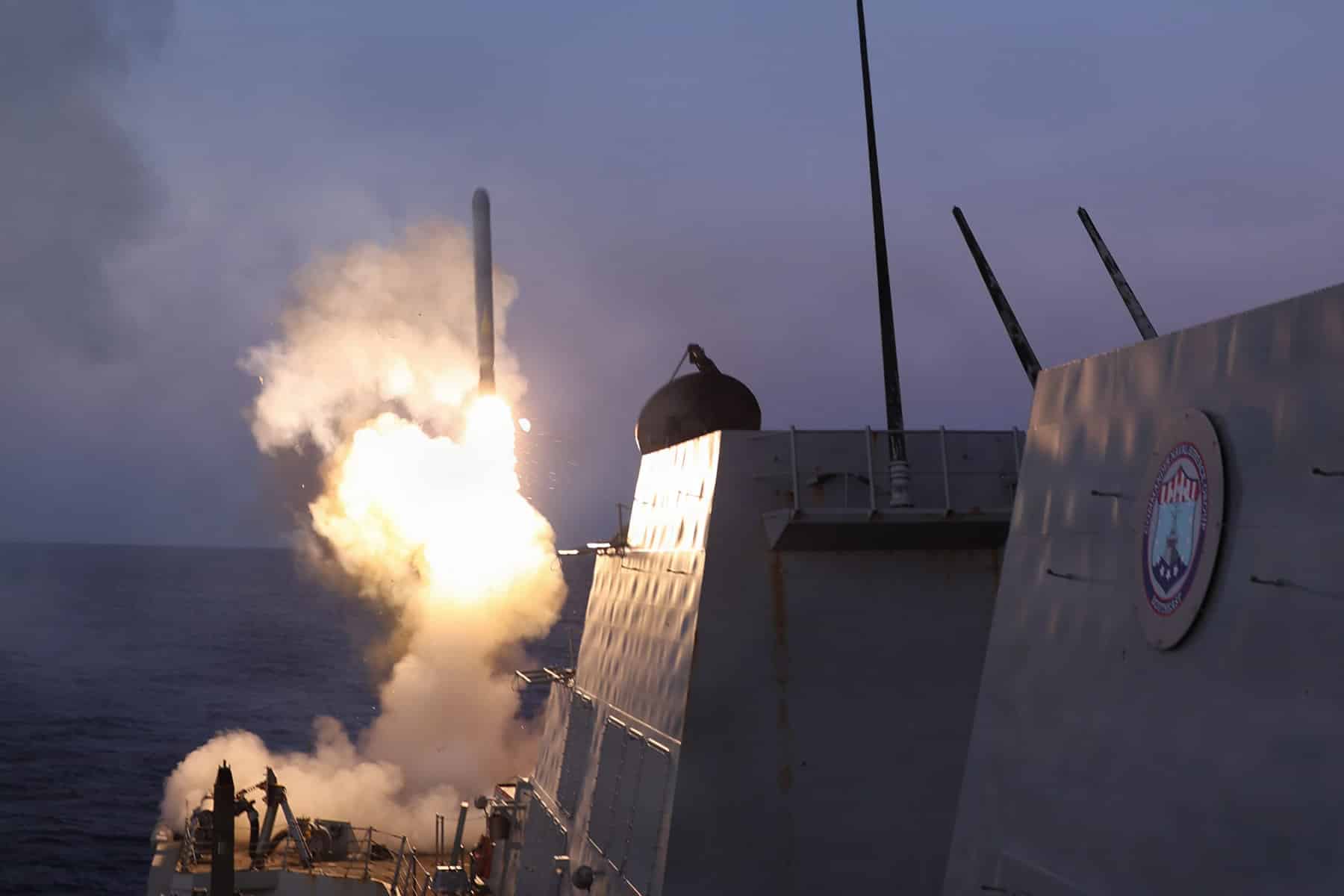
- Naval Air Systems Command plans to award Raytheon an exclusive sole-source contract for low-rate initial production of the Joint Multiple Effects Warhead System (JMEWS), a bunker-busting Tomahawk Block Vb variant combining penetration and blast-fragmentation effects to hit hardened sites from about 1,600 kilometers, justified by Raytheon's proprietary data and continuous role since 1994.
- Budget plans slate funding for 35 re-certified missiles with upgrade kits ahead of a projected 2027 initial operational capability, with work centered in Tucson and overseen by Patuxent River's PMA-280 office.
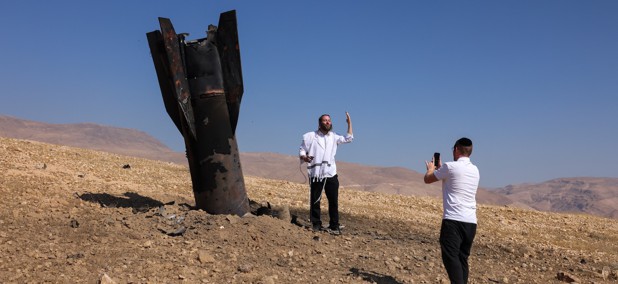
- Operation Epic Fury struck Iran's underground missile network with 20,000+ strikes yet Iran bulldozed sealed bunkers within hours, preserved an estimated half of its mobile launchers, and resumed firing 15 to 30 ballistic missiles daily, exposing limits of US penetrating munitions.
- PLARF Base 61 in Huangshan disperses conventional missile brigades across Fujian, Jiangxi, and Zhejiang into subterranean tunnel complexes housing TELs for DF-17s, DF-16s, and DF-15s, linked to underground command posts via dedicated fiber-optic networks for rapid shoot-and-scoot salvos.
- Industrial capacity poses an acute bottleneck: the US began Operation Epic Fury with roughly 3,100 Tomahawks, expended 1,000+ rounds by April 2026, and faces $2.6 million per-missile costs and 47-month procurement lead times.
- Operational risks include China's dense air defenses degrading subsonic cruise missiles (Ukraine reported 31 of 33 Kh-101s intercepted), vulnerability of forward-deployed launchers like the Typhon in the Philippines, and nuclear ambiguity from the parallel SLCM-N program.
- Author's bottom line: JMEWS cannot on its own shift the cross-Strait balance without broader production expansion, hardened launch platforms, and escalation guardrails to prevent conventional strikes from triggering a nuclear response.
Why it matters: The Navy is betting $2.6 million per missile and 47-month production lead times that a subsonic standoff warhead can suppress China's hardened DF-17/DF-16/DF-15 TELs in tunnel complexes — yet Ukraine's 31-of-33 Kh-101 interception rate and Iran's bunker-recovery speed suggest that inventory math may matter more than the warhead itself.
Ask SkimNews