Bangladesh President Shahabuddin Resigns Mid-Term — SkimNews
Get the Geopolitics newsletter
Daily geopolitics — wars, elections, sanctions, the diplomatic moves that move markets. Free.
- Mohammed Shahabuddin submitted his resignation to Parliament Speaker Hafiz Uddin Ahmad on Friday, citing medical reasons, halfway through his term as Bangladesh's 22nd president (sworn in April 24, 2023).
- Tarique Rahman heads a new government that came to power via landslide February victory after 18 months of interim rule under Nobel laureate Muhammad Yunus, following Hasina's August 2024 ouster and flight to India.
- Local media reported Shahabuddin resigned under pressure after he allegedly spoke with Sheikh Hasina by phone during a May London medical visit — a claim the AP could not independently confirm.
- Parliament Speaker Hafiz Uddin Ahmad will automatically serve as interim president until lawmakers elect a successor, per Bangladesh's constitution.
- The National Citizen Party, formed by the student leaders who drove the 2024 uprising, had long campaigned against Shahabuddin and joined an election alliance led by Bangladesh Jamaat-e-Islami.
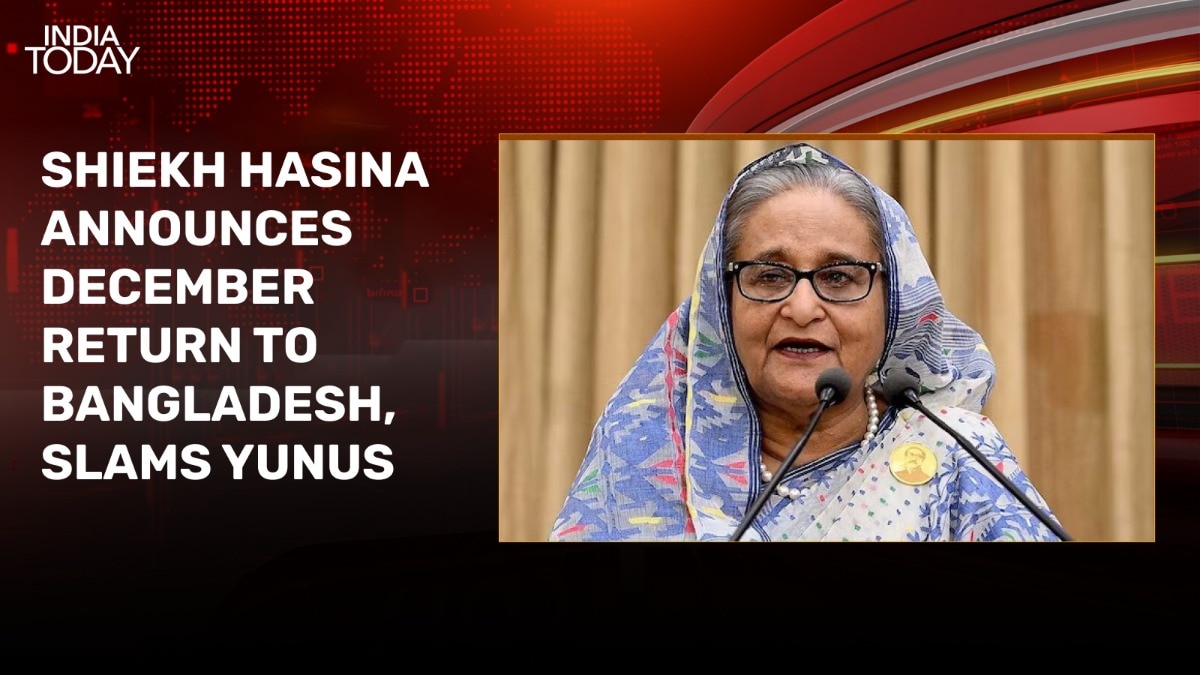
- In November, a special tribunal sentenced Hasina to death in absentia for ordering a crackdown that a UN report said killed nearly 1,400 people; India has refused Bangladesh's repeated extradition requests.
Why it matters: Shahabuddin departs as a constitutional figurehead, but the timing strips Hasina of her last formal ally inside Bangladesh's government weeks before she told Indian media she intends to return and surrender in court. The new government, backed by Jamaat-e-Islami's alliance, now controls both the executive and the interim presidency via the parliamentary speaker.
Ask SkimNews