Houthi strikes in Yemen as Saudi Arabia braces for attacks: What we know — SkimNews

Get the Geopolitics newsletter
Daily geopolitics — wars, elections, sanctions, the diplomatic moves that move markets. Free.
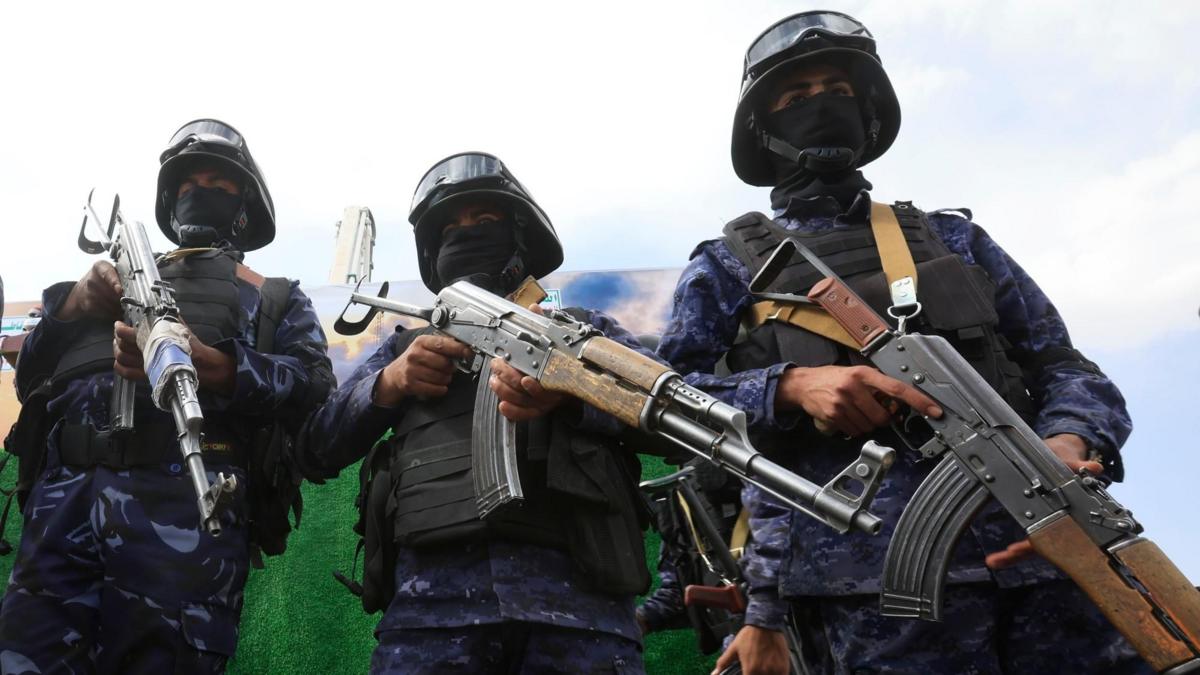
- Houthi forces killed at least 30 Yemeni soldiers and wounded 15 others with eight missiles fired from al-Jawf into Hadramout and Marib on Thursday, in strikes hitting the Homeland Shield Forces, Emergency Forces, and First Military Region.
- Houthis launched at least 12 more missile attacks on Hadramout and Marib on Friday, while also striking Saudi Arabia's southern Najran province and wounding 11 civilians, including a four-year-old child with second-degree burns.
- A senior Saudi official told Reuters that intelligence indicates the Houthis and Iraqi armed groups, under Iran's IRGC supervision, could soon launch coordinated attacks on Saudi energy infrastructure, ports, and airports.
- Houthis imposed a maritime blockade on Saudi Arabia on July 20, attacked Aramco facilities in Jizan and Yanbu, and forced the Saudi oil tanker NCC Ghazal to change course with ballistic missiles.
- Saudi Arabia announced a new international alliance to guard the Red Sea from Houthi attacks on shipping, with 13 countries having agreed to join, and is due to sign a defense pact with Pakistan and Turkiye.
- Gulf Cooperation Council Secretary-General Jasem Mohamed Albudaiwi denounced the Najran strikes as "terrorist attacks" and reaffirmed support for Saudi measures to protect its sovereignty and citizens.
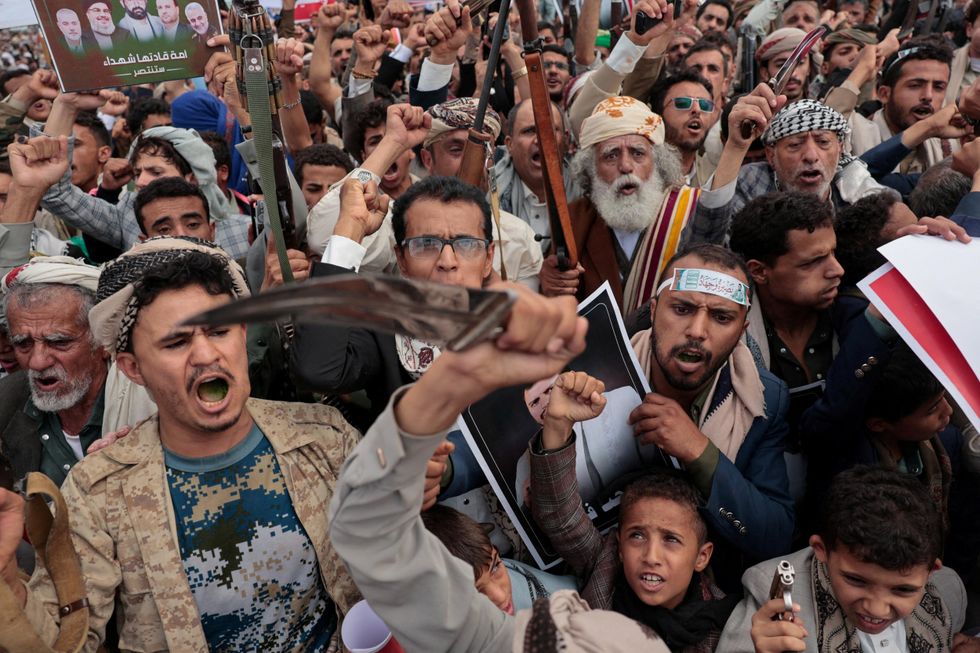
- The escalation traces to July 13, when the Yemeni government attacked Sanaa airport to block an IRGC-linked Iranian aircraft, prompting Houthi spokesperson Yahya Saree to declare the "de-escalation phase" of Yemen's war ended.
Why it matters: The Houthis have moved beyond Yemen's civil war to directly threaten Saudi oil infrastructure, ports, and airports under explicit IRGC coordination, with the Bab al-Mandeb Strait — a critical Red Sea shipping corridor — at risk of full blockade. Saudi Arabia's response, including a 13-country Red Sea security alliance and a pending defense pact with Pakistan and Turkiye, confirms the conflict has widened into a regional confrontation tied to the US-Israel war on Iran.
Ask SkimNews