Japan spent $74 billion propping up the yen. Investors say the real battle is with the Fed — SkimNews

Get the Finance newsletter
Daily finance — markets, central banks, M&A, the prints that move money. Free.
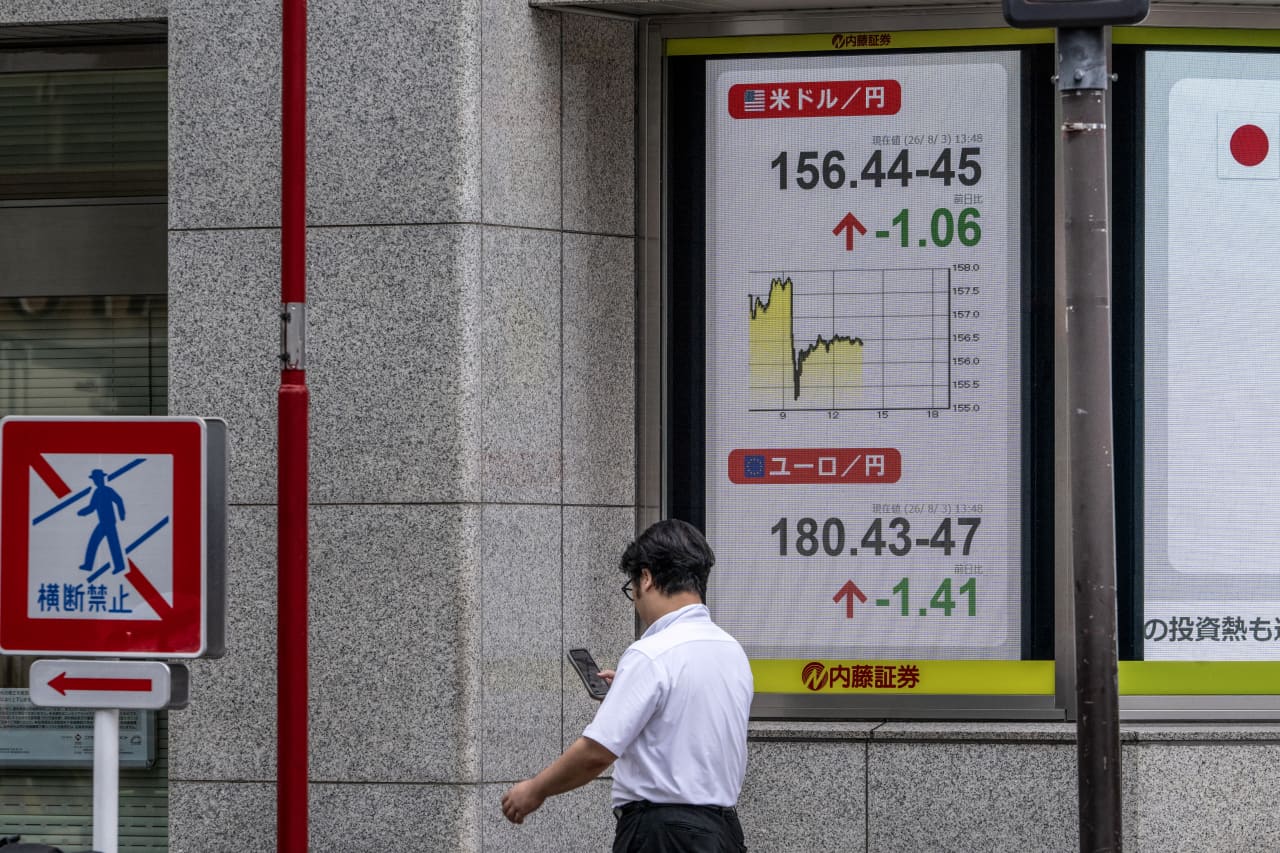
- Yen weakened to 162.83 against the dollar on Tuesday, its lowest level in 40 years, according to LSEG data
- Japan spent a record 11.7 trillion yen ($73.5 billion) in April and May buying its own currency to defend the yen, reviving speculation of more intervention
- Bank of Japan raised rates to 1% — a meaningful step away from ultra-loose policy — but borrowing costs remain far below U.S. levels, keeping the carry trade alive
- Yen has fallen 3.9% against the dollar this year but only 0.9% against the euro, indicating broad dollar strength, not yen-specific weakness, is driving the move
- T. Rowe Price's Vincent Chung said markets are watching the 162–163 range for intervention signs, while Alexandre Drabowicz flagged 164–165 as the next threshold, and both warned past solo interventions were largely ineffective
- Japanese stocks and manufacturers have stayed resilient on weak-yen export tailwinds, with the BOJ's Tankan survey showing stronger-than-expected confidence among large manufacturers — even as import costs squeeze household budgets
Why it matters: Japan's $73.5 billion intervention buys time, not victory: with the Fed expected to stay restrictive and the U.S. unlikely to coordinate, PM Sanae Takaichi's government faces a tradeoff — accept a weak yen that boosts exporters but inflates import costs and household pain, or absorb the policy cost of letting the BOJ tighten aggressively enough to close the rate gap.
Ask SkimNews