Vietnam builds first homegrown anti-sub frigate — SkimNews

Get the Geopolitics newsletter
Daily geopolitics — wars, elections, sanctions, the diplomatic moves that move markets. Free.
- Vietnam began steel-cutting for its first domestically designed anti-submarine frigate at Song Thu Shipyard in Da Nang this month, with completion slated within 36 months under Vietnamese Navy supervision as the country's largest and most advanced surface warship.
- Song Thu Corporation built the multi-purpose vessel alongside Viettel and domestic defense units, integrating indigenous AESA radar, air-defense missiles, and VCM-01 anti-ship missiles while retaining Russian-derived armament including a 76.2mm main gun, RBU-6000 rocket launchers, vertical launch systems, torpedo tubes, and a Kamov Ka-28 helicopter.
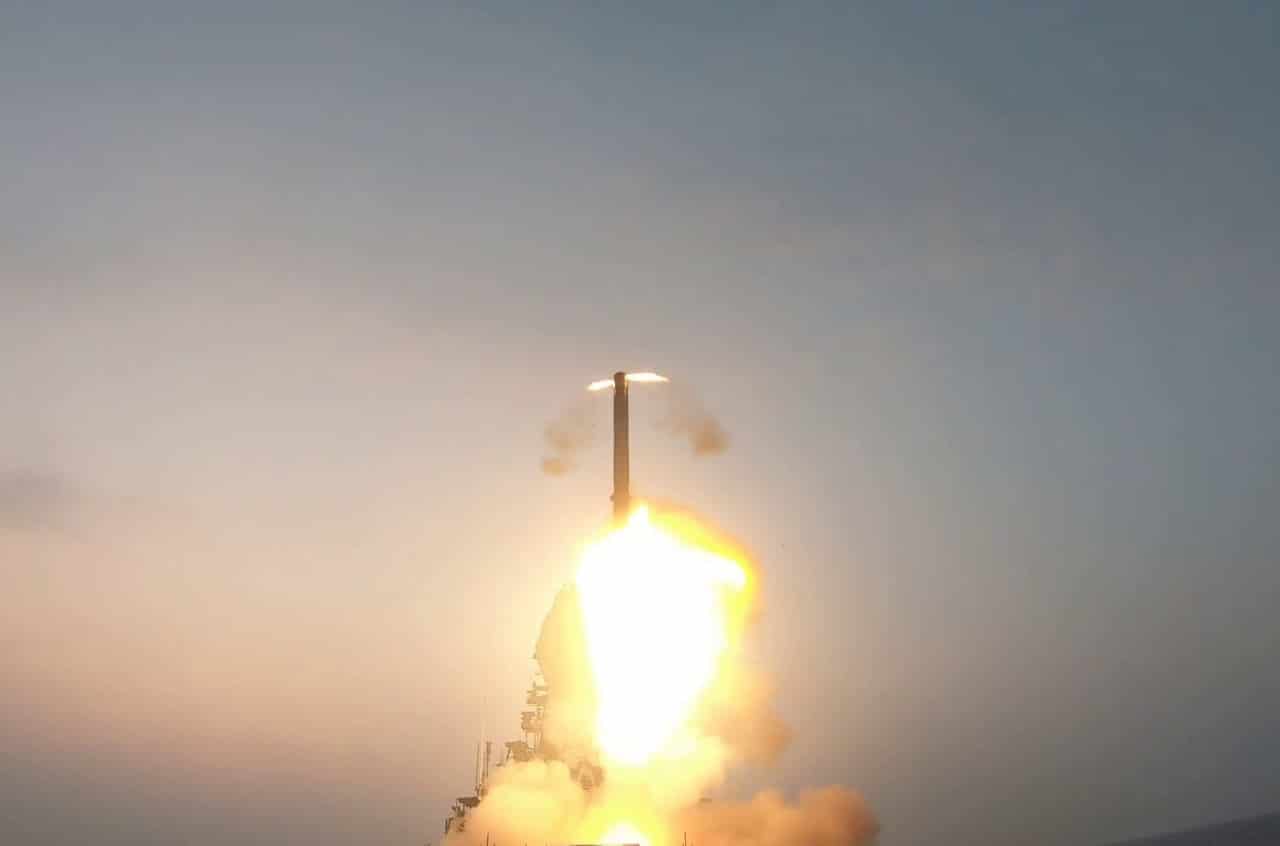
- Vietnam signed a deal with India in May 2026 for BrahMos supersonic cruise missiles, becoming the second BrahMos customer after the Philippines, while also sourcing SPYDER air defense systems, Heron drones, and EXTRA rockets from Israel and K9 155mm howitzers from South Korea.
- Vietnam's naval power gap with China is stark: Beijing operates roughly 60 submarines including six SSNs, two SSGNs, and six SSBNs, versus Vietnam's six Kilo-class SSKs whose maintenance costs may run three times their acquisition price, leaving them mostly in port.
- State-owned SBIC has entered bankruptcy proceedings, 70% of Vietnam's heavy military equipment still comes from Russia, and the navy conducts only one blue-water exercise per year with its four Gepard-class frigates rarely leaving the EEZ, raising doubts about operational credibility.
- Deputy Defense Minister Pham Hoai Nam framed the frigate as part of a broader push for strategic autonomy and reduced dependence on foreign military technology, though Vietnamese officials have not publicly named China as the intended adversary despite ongoing South China Sea territorial disputes.
Why it matters: The frigate itself won't close the naval gap — China fields roughly 60 submarines to Vietnam's six — but the project tests whether Vietnam can build a sustainable defense-industrial ecosystem while reducing its 70% reliance on Russian equipment. Success would give Hanoi a credible asymmetric deterrent in the South China Sea without forcing it into a formal US alliance.
Ask SkimNews