EPA Rule Repeal Would Double New Georgia Gas Emissions — SkimNews
Get the Energy newsletter
Daily energy & climate — solar, EVs, oil, the policy fights and tech bets shaping the transition. Free.
- NRDC and the American Public Health Association filed suit challenging the Trump EPA's proposed repeal of greenhouse gas standards for power plants, with APHA CEO Georges C. Benjamin calling clean air "a basic human right" and warning of worsening extreme heat and poor air quality.
- The Biden-era rule being targeted required coal plants to install carbon capture or close by 2032 and capped new natural gas plants at roughly 40% annual operation; the EPA's proposal would eliminate both requirements.
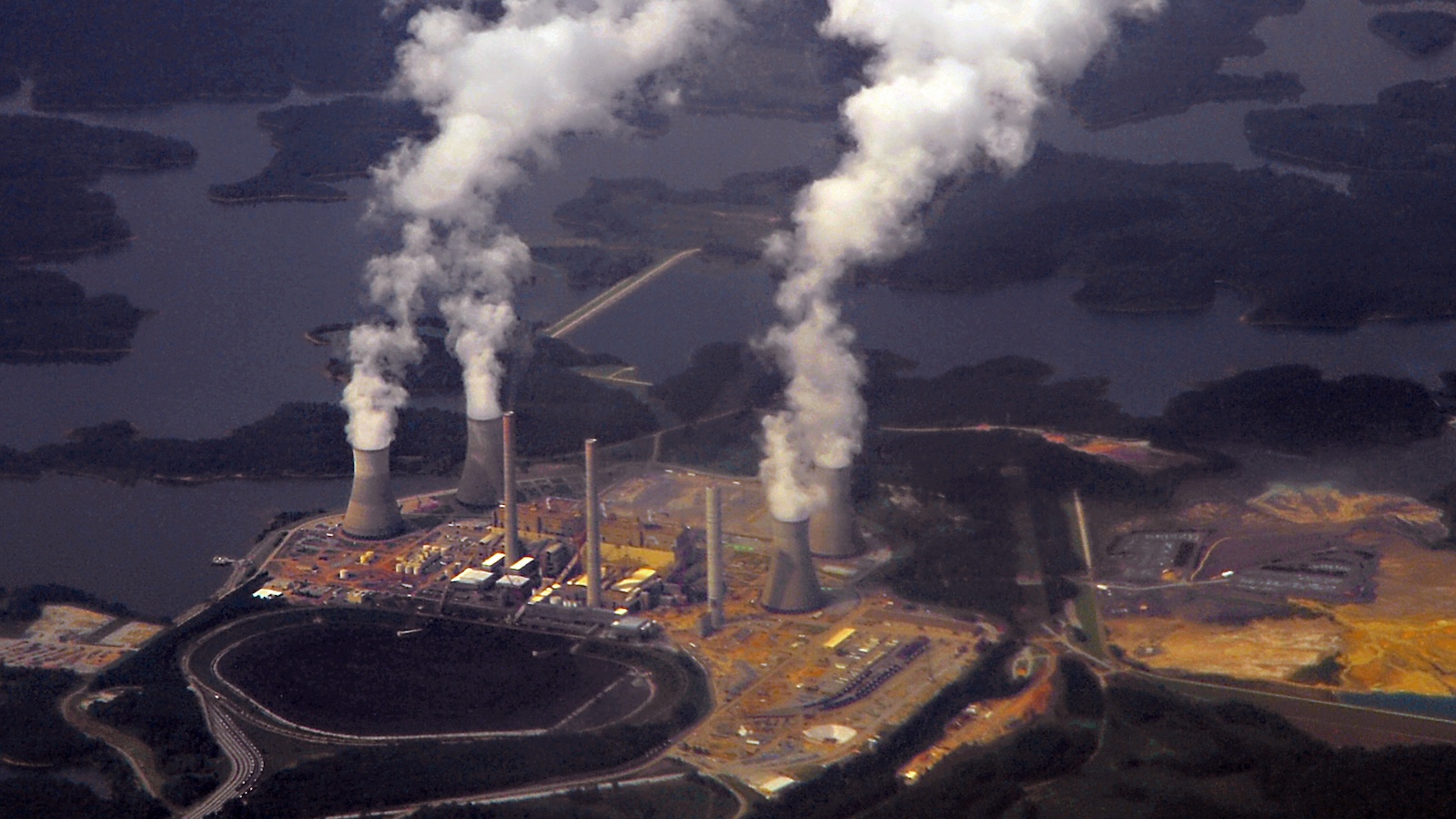
- Georgia Power abandoned its 2022 plan to retire coal plants after Trump's election, winning Georgia Public Service Commission approval to delay retiring one unit at Plant Scherer — which emitted more than 8 million tons of CO2 in 2024 — and three units at Plant Gaston.
- Without the EPA rule, emissions from the new gas turbines Georgia Power is building to meet data-center demand could more than double — from roughly 4 million tons of CO2 per year at 40% operation to 8.5 million tons at 85% operation, according to Southern Alliance for Clean Energy's Maggie Shober.
- During 2025 resource planning hearings, Georgia Power ran nine planning scenarios — three assuming compliance with the EPA rule and six assuming repeal — citing "regulatory uncertainty," even though the rule remained technically in effect.
- Southern Company, Georgia Power's parent, declined an interview and issued a statement on "regulatory certainty" and "reliable and affordable electricity" without referencing its stated net-zero-by-2050 goal.
Why it matters: Georgia ratepayers and downwind communities will absorb the health costs: Shober estimates new gas turbines could jump from 4 million to 8.5 million tons of CO2 per year if the repeal goes through — more than doubling emissions from a fleet being built specifically to feed data-center load. The case also exposes how Georgia Power treated the rule as effectively dead while it was still on the books, running six of nine planning scenarios that assumed its repeal.
Ask SkimNews