Trump EPA Rule Repeal Could Double Georgia Gas Emissions — SkimNews
Get the Energy newsletter
Daily energy & climate — solar, EVs, oil, the policy fights and tech bets shaping the transition. Free.
- Natural Resources Defense Council and the American Public Health Association are suing to block the EPA's proposed repeal of greenhouse gas standards for power plants, arguing the rule change threatens public health by fueling climate change and worsening air quality.
- The Biden-era EPA rule required coal plants to install carbon capture technology or close by 2032, and required new natural gas plants to install carbon capture or operate at limited capacity — standards that Georgia Power had already begun planning to comply with in its 2022 long-term plan.
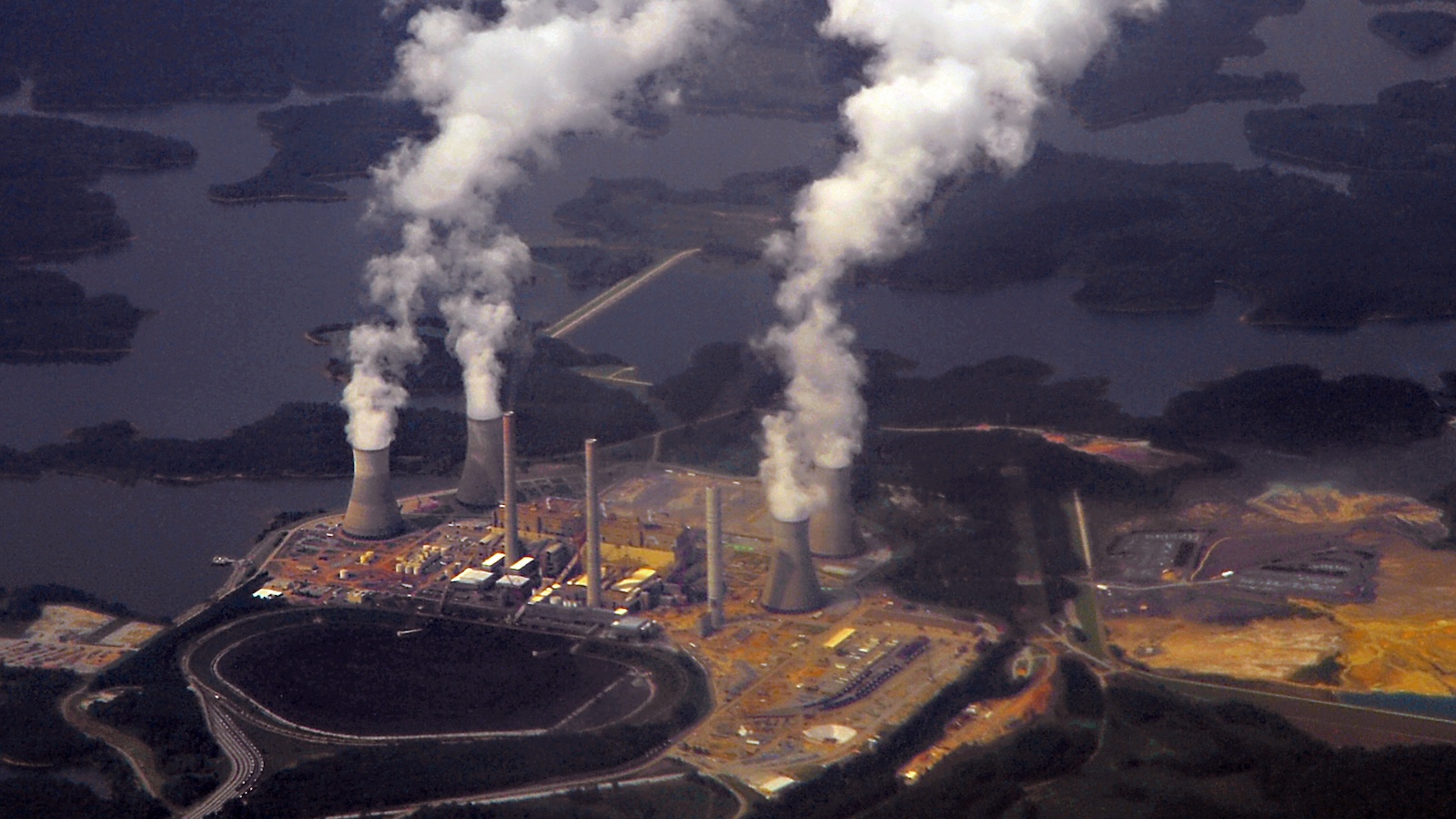
- Georgia Power reversed its planned coal retirements after Trump's election, winning Georgia Public Service Commission approval to extend one unit at Plant Scherer and three units at Plant Gaston — plants that emitted more than 7 million and 1 million metric tons of CO2 respectively in 2024.
- Maggie Shober of the Southern Alliance for Clean Energy estimated that without the EPA restrictions, new natural gas turbines Georgia Power is building for data center demand could emit 8.5 million tons of CO2 annually (running 85% of the year), up from roughly 4 million tons under the 40% annual cap the Biden rule would have imposed.
- The EPA rule change is not yet final — a public comment period remains and the lawsuits are pending — but Georgia Power operated for over a year as if repeal were certain, running nine planning scenarios of which six assumed no compliance with the rule.
- Southern Company, Georgia Power's parent, declined an interview and issued a statement about 'regulatory certainty' and 'reliable and affordable electricity' without mentioning its own stated goal of net-zero emissions by 2050.
Why it matters: Georgia residents could see roughly 4.5 million extra tons of CO2 per year from new gas turbines alone, on top of extended coal plant operations, if the repeal survives the legal challenge. The case shows how utilities began acting on expected deregulation before the rule was even formally changed — effectively making the lawsuit the last check on years of emissions decisions already in motion.
Ask SkimNews