UNICEF: 300 Gaza Children Killed in 300 Days of Ceasefire — SkimNews
Get the Geopolitics newsletter
Daily geopolitics — wars, elections, sanctions, the diplomatic moves that move markets. Free.
- UNICEF reported at least 300 children killed in Gaza over 300 days since the ceasefire agreement took effect on October 10, 2025 — averaging one child death per day, according to Regional Director for the Middle East and North Africa Edouard Beigbeder, who called it "a ceasefire that is failing children."
- OCHA tallied 1,209 people killed and 3,943 injured in Gaza since the ceasefire announcement, with airstrikes continuing near the Israeli-erected "Yellow Line" and driving renewed displacement and damage to critical civilian infrastructure.
- WHO confirmed essential medical supplies — some delivered by the agency itself — were destroyed in attacks on a storage facility next to Al-Aqsa Hospital in Deir al-Balah last weekend.
- UNICEF spokesperson Louise Wateridge described surging premature births and health workers reporting two to three babies sharing a single incubator in partially functioning hospitals lacking equipment and medicine.
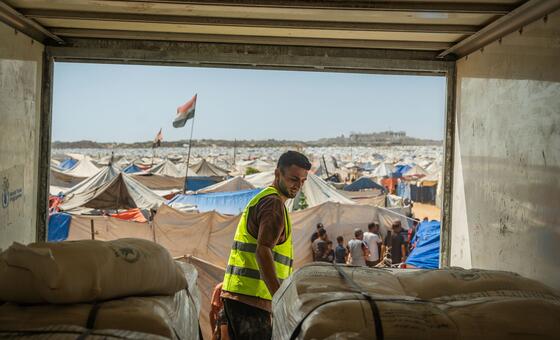
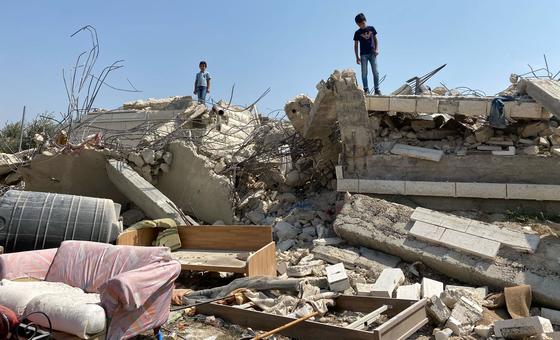
- Families remain confined to approximately one third of the Gaza Strip, sheltering among destroyed buildings, rubble, and uncleared waste, while UNICEF delivered 600 pallets of recreational kits, school bags, and soap ahead of a school year set to begin in about two weeks.
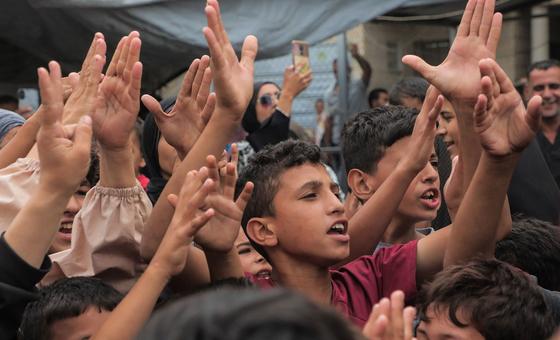
- More than 250,000 pre-school and school-aged children are participating in summer learning activities to recover education lost during hostilities, as Beigbeder pressed for commitments to translate into action before September.
Why it matters: The 1,209 death toll OCHA attributes to the period since the October 10, 2025 ceasefire — including 300 children — shows the agreement has not halted lethal operations in Gaza. With families confined to roughly a third of the Strip and medical storage facilities being directly struck, the humanitarian system's ability to deliver care is being outpaced by destruction. UNICEF's September school-reopening benchmark now functions as a concrete, near-term test of whether the mooted peace plan changes material conditions.
Ask SkimNews