Johor opposition chief urges Indonesia to name haze firms — SkimNews
Get the Energy newsletter
Daily energy & climate — solar, EVs, oil, the policy fights and tech bets shaping the transition. Free.
- Andrew Chen, Johor opposition leader and Stulang assemblyman, said in an Oct 4 statement that Indonesian authorities should disclose companies — including Malaysian-linked ones — tied to the fires and make investigation findings transparent subject to due process.
- Chen said Indonesian authorities had themselves raised concerns in August about Malaysian-linked companies allegedly connected to the fires, arguing that 'Malaysian companies must not be shielded from accountability simply because the fires occurred outside this country.'
- Chen said he receives daily health complaints from constituents, especially senior citizens, about breathing difficulties and discomfort, framing the haze as a public health crisis rather than just an environmental issue.
- Chen condemned slash-and-burn clearing of forests and carbon-rich peatlands for palm oil and pulp production 'regardless of their companies' country of origin,' and pointed to the Asean Declaration on the Right to a Safe, Clean, Healthy and Sustainable Environment adopted at the 47th Asean Summit in Kuala Lumpur in October 2025.
- Chen called on Malaysia to enact a Transboundary Haze Act giving federal and state governments a legal framework to act against companies whose activities contribute to transboundary haze and harm public health.
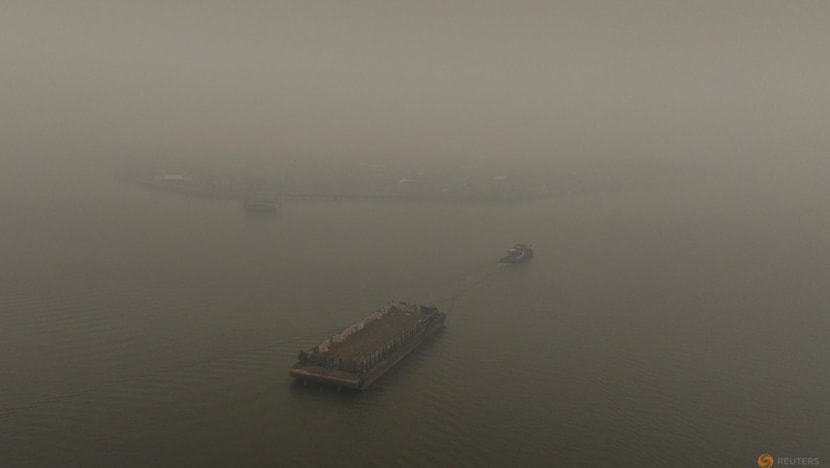
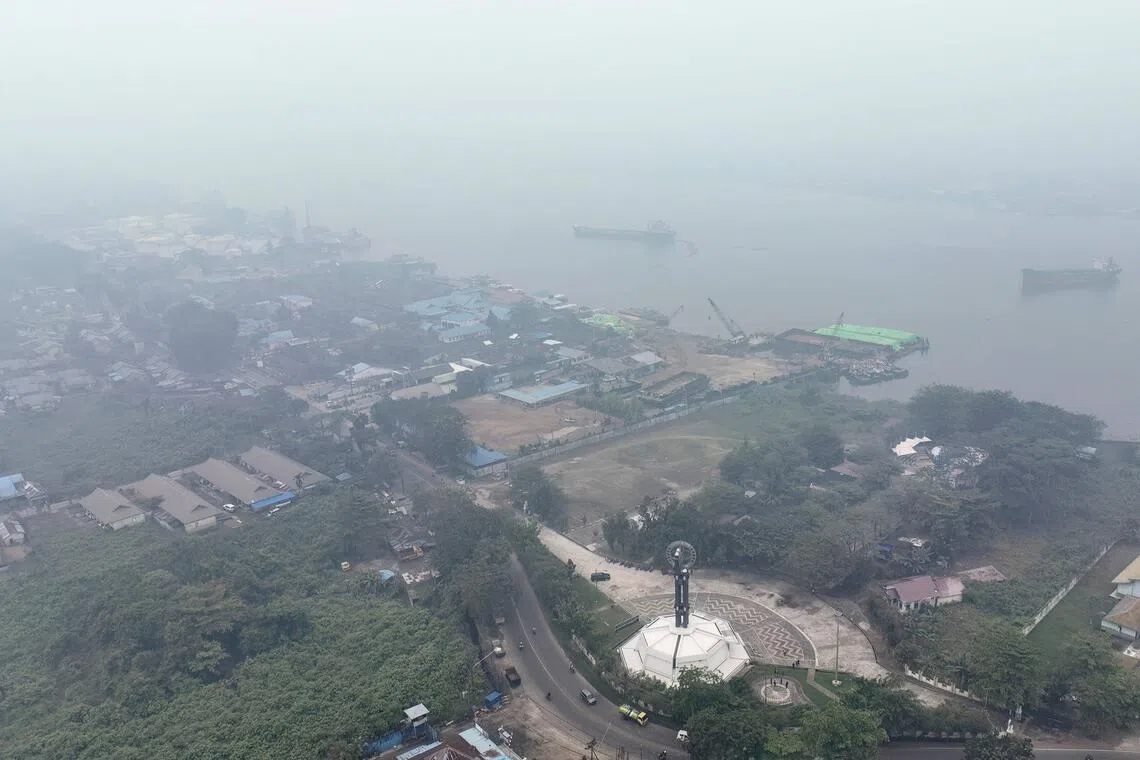
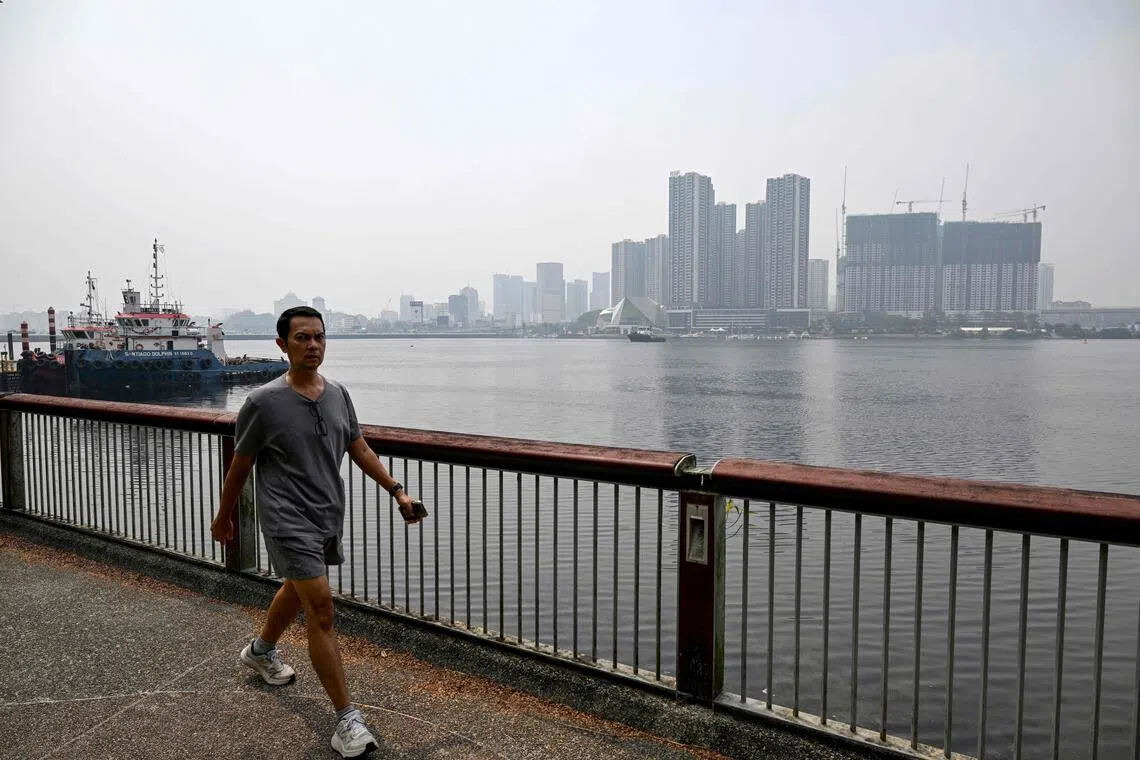
- Johor Mentri Besar Datuk Onn Hafiz had on Sept 30 formally written to the Indonesian Consulate General's office in Johor Baru flagging deteriorating air quality, with API readings in certain areas reaching unhealthy levels; the haze has hit Johor Baru for weeks and visibility remains poor despite regular heavy downpours.
Why it matters: Johor's haze is no longer being treated as just an Indonesian problem: both the state Mentri Besar and the opposition are now publicly pressing Jakarta to name Malaysian-linked companies in the supply chain. A Transboundary Haze Act would, if enacted, give Malaysian authorities a direct legal tool to pursue firms whose overseas operations are degrading air quality at home — a step beyond the existing Asean framework Chen himself cited.
Ask SkimNews