Why Every US President Returns to Iran Negotiations — SkimNews

Get the Geopolitics newsletter
Daily geopolitics — wars, elections, sanctions, the diplomatic moves that move markets. Free.
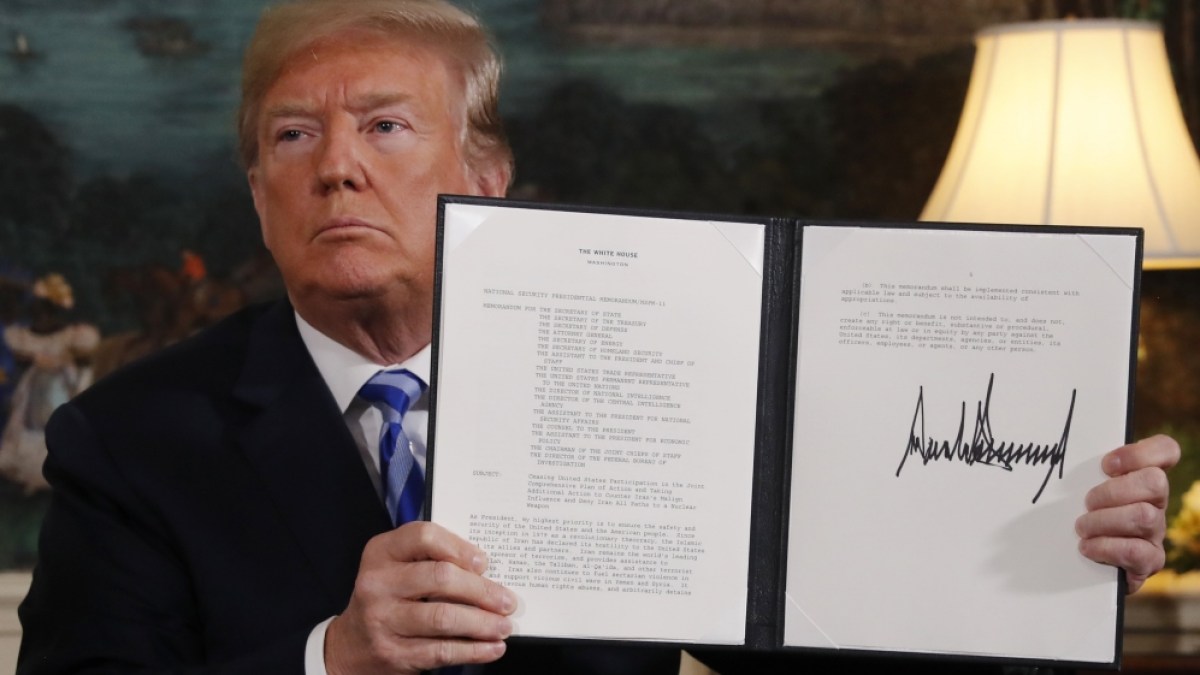
- Trump withdrew from the JCPOA in 2018, calling Obama's nuclear deal one of the worst agreements in international negotiation history, then pursued a maximum pressure sanctions regime that devastated Iran's oil exports and banking sector.
- Every U.S. administration from George W. Bush through Obama, Trump, Biden, and Trump again has cycled from coercion (sanctions, military threats) back to diplomacy — a pattern the article attributes to structural realities of power rather than Iran's unique behavior.
- Iran's combination of dense population, vast territory spanning the Persian Gulf to the Caspian Sea, and control of the Strait of Hormuz — one of the world's most critical oil chokepoints — has made military intervention prohibitively costly across administrations.
- Obama's JCPOA imposed verifiable nuclear limits, extended the breakout time for a weapon, and created a new inspection regime, but was criticized for not addressing Iran's missile program and regional actions.
- After the JCPOA's collapse, Iran increased its uranium enrichment rate and nuclear stockpiles, producing the central paradox of maximum pressure: sanctions intended to limit nuclear progress instead coincided with significant advances.
- The current ceasefire focuses on immediate dangers — escalation, energy market disruption, and wider regional war — while deferring Iran's nuclear program, missiles, and regional role to future negotiations.
Why it matters: Eight years after Trump left the JCPOA claiming he could secure a better deal, Iran has higher enrichment rates and larger nuclear stockpiles, and Washington is negotiating from a weaker position — a concrete reversal that demonstrates the structural limits of coercion against a civilization-state controlling a critical oil chokepoint.
Ask SkimNews