Why NFL ball-spotting tech falls short — SkimNews
Get the Sports newsletter
Daily sports — scores, transfers, the storylines from the leagues you actually follow. Free.
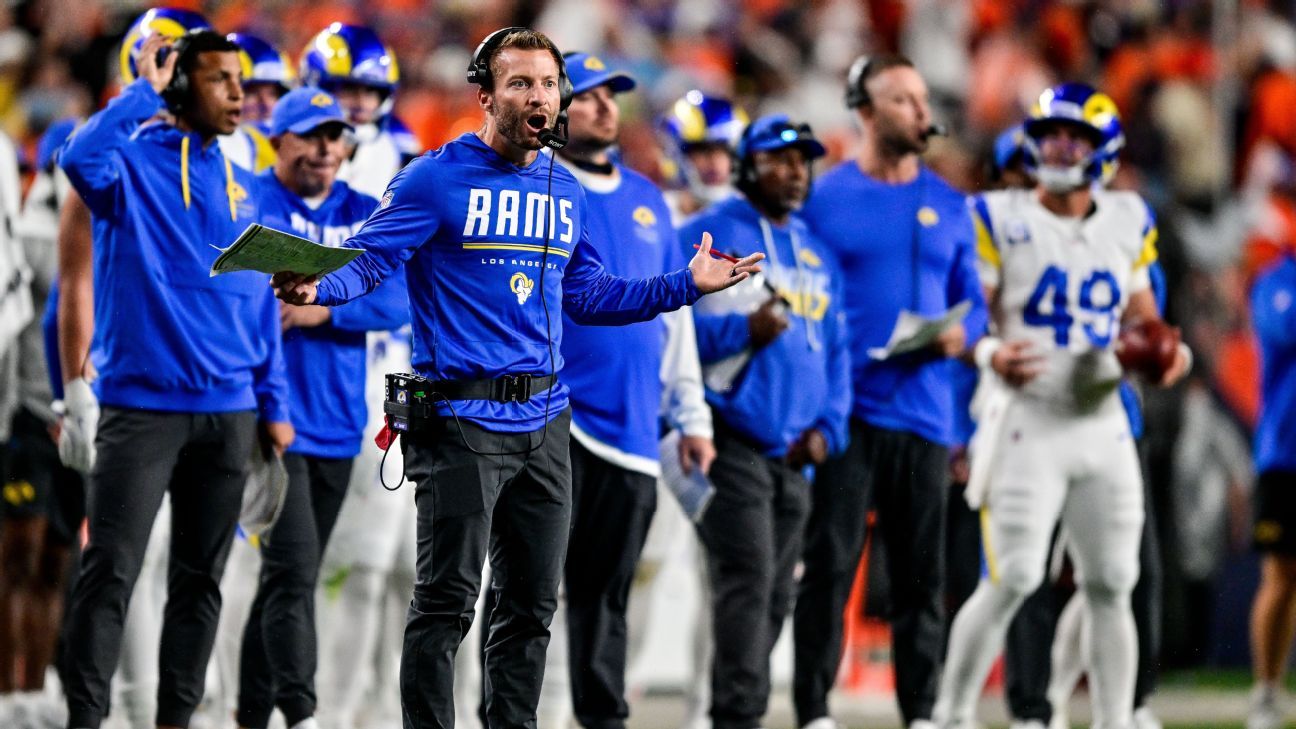
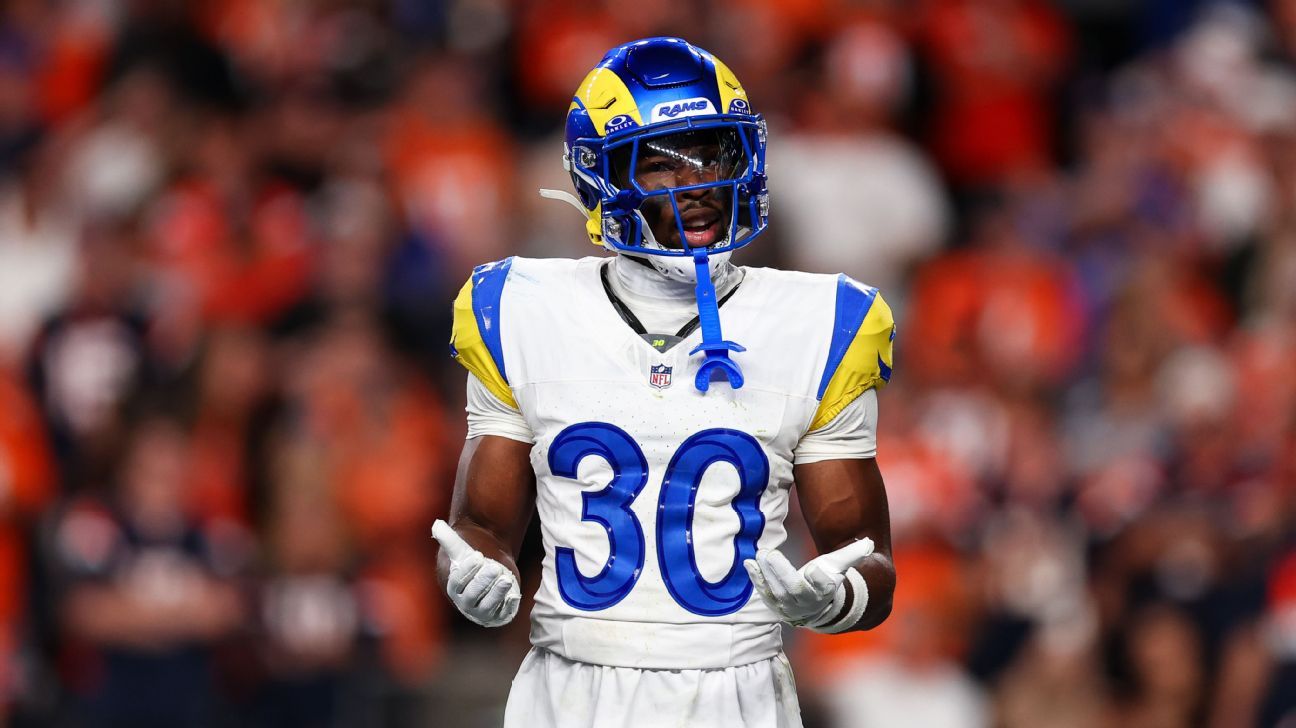
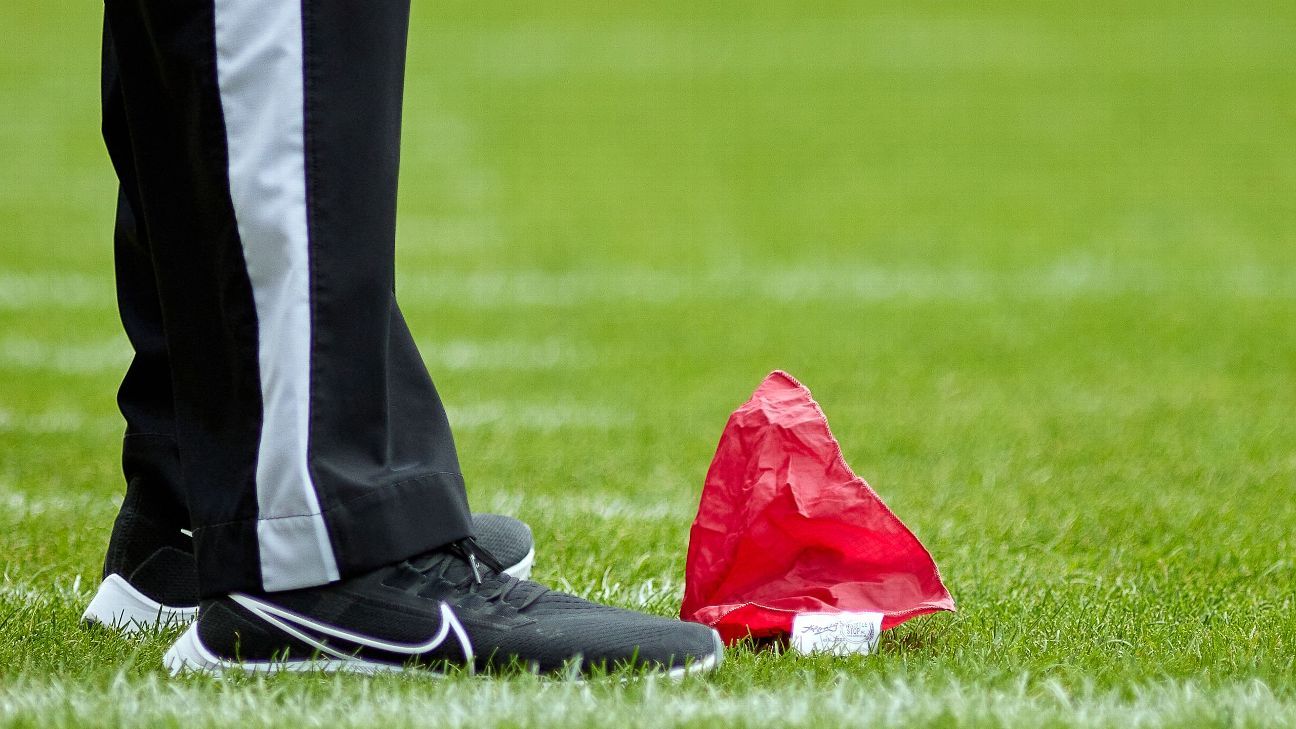
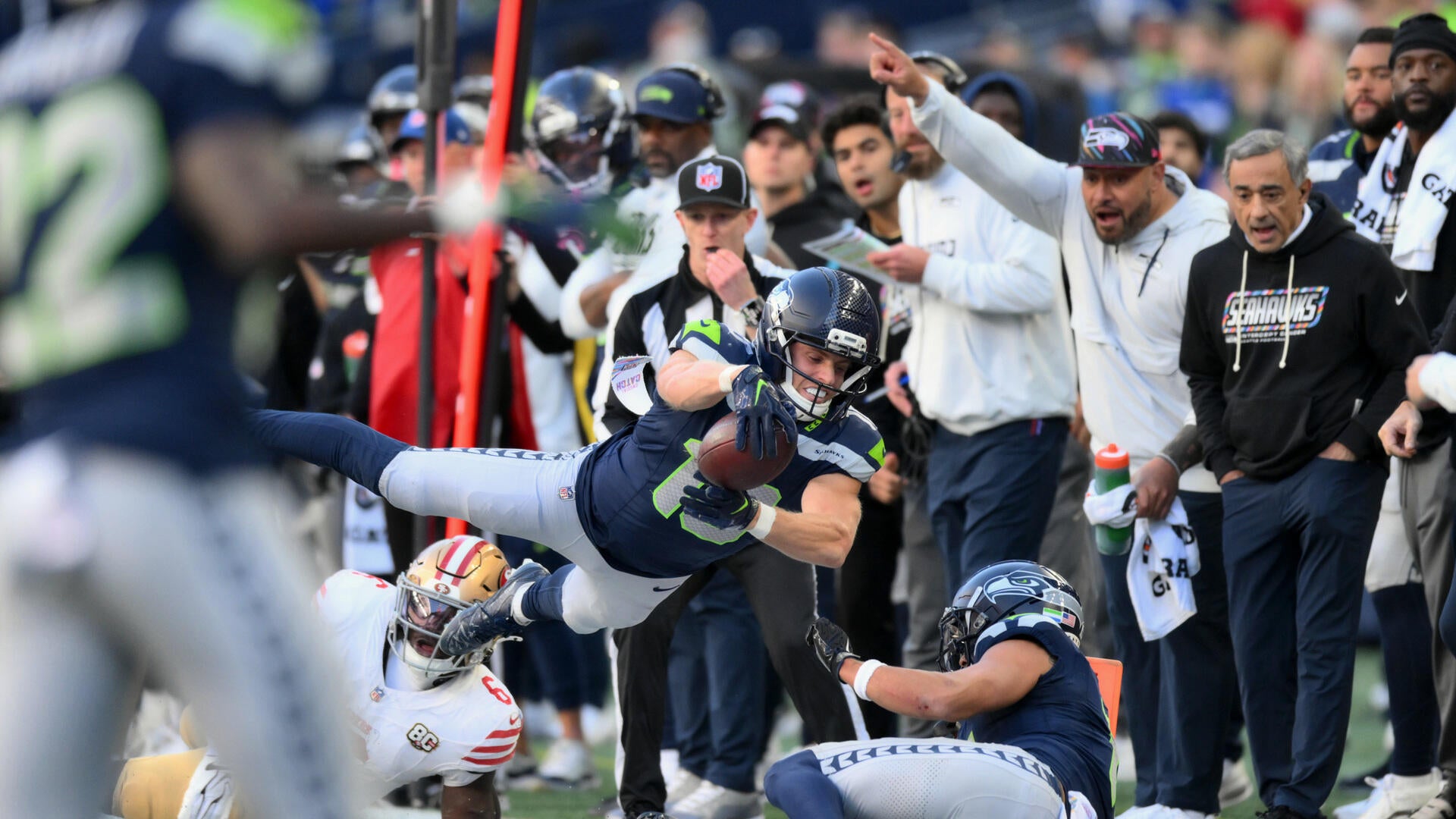
- Cooper Kupp was ruled short of a first down on a 4th-and-10 with 54 seconds remaining, and a booth review upheld the call in the San Francisco 49ers' 32-29 Week 5 win over the Seattle Seahawks.
- The Seahawks had just one timeout left, allowing the 49ers to kneel out the clock for their fifth consecutive victory to open the season after the spot was upheld.
- RFID microchips embedded in NFL footballs since 2017 carry a 6-inch margin of error, and Zebra Technologies' Jill Stelfox said at launch that the chips cannot track a player's feet or knee position.
- Sony's Hawk-Eye system was introduced leaguewide in 2021 and expanded to virtual measurements in 2025, using six 8K optical-tracking cameras per stadium.
- Hawk-Eye requires a clear line of sight to the ball, which is routinely blocked by player congestion on live plays, limiting its in-game utility to static measurements.
- Precision spotting would require over-the-top cameras directly above the ball and down-the-line cameras on every yard marker — angles the NFL's current setup does not guarantee on every snap.
Why it matters: With RFID chips off by up to six inches and Hawk-Eye blinded by the pile, the NFL has no near-term path to replacing human officials on close spots — meaning plays like Kupp's will keep turning on replay review and the eye of the officiating crew rather than definitive digital measurement.
Ask SkimNews