1,000+ Kenyans Recruited to Fight Russia in Ukraine — SkimNews

Get the Geopolitics newsletter
Daily geopolitics — wars, elections, sanctions, the diplomatic moves that move markets. Free.
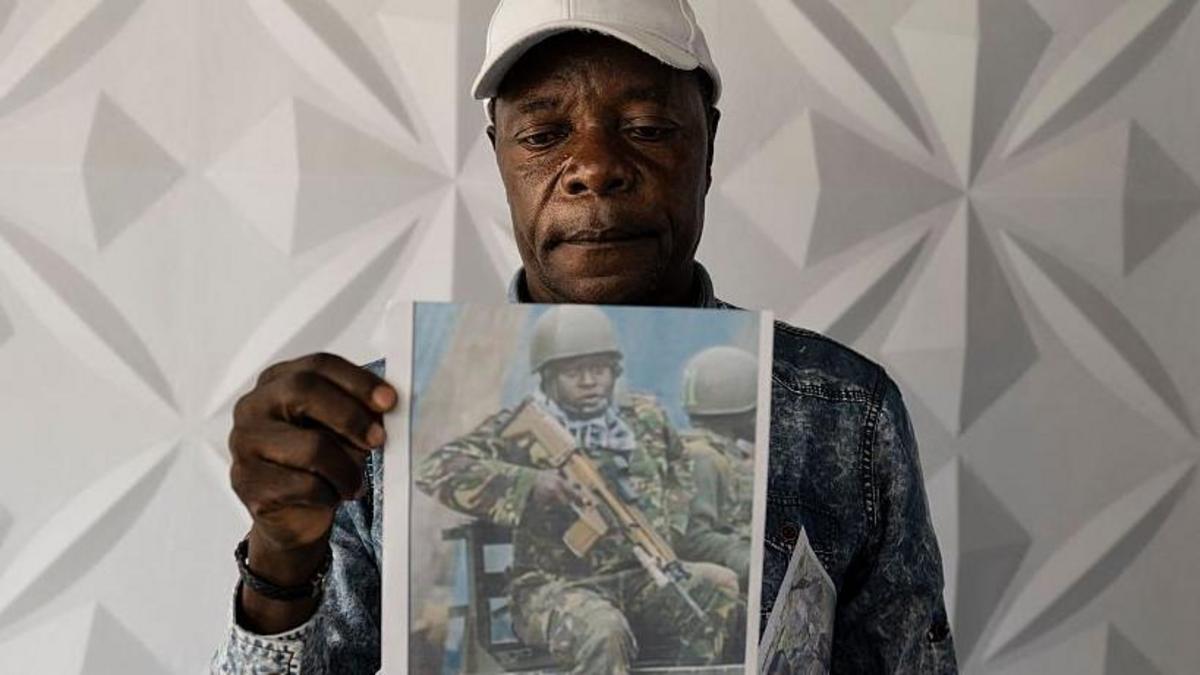
- Kenya's National Intelligence Service reported to parliament that more than 1,000 Kenyans have been recruited to fight for Russia in Ukraine, Majority Leader Kimani Ichung'wah told MPs, sharply up from the 200-plus figure Kenya's foreign ministry disclosed in November.
- Rogue recruitment agencies targeted former military personnel, police officers, and civilians aged mid-20s to 50, promising monthly salaries of about 350,000 shillings (£2,000), bonuses of 900,000 to 1.2 million shillings, and eventual Russian citizenship.
- Kenyan and Russian officials were allegedly complicit: the report claims agencies colluded with staff from Kenya's Directorate of Immigration Services, the DCI's Anti-Narcotics Unit, the National Employment Authority, and personnel at both the Russian embassy in Kenya and the Kenyan embassy in Moscow to secure Russian visitor visas and bypass airport interception.
- Recruits now travel through Uganda, the DRC, and South Africa after increased interception at Nairobi's international airport, according to the intelligence report.
- As of February, 39 Kenyans had been hospitalised, 30 repatriated, 28 were missing in action, 89 were on the frontline, 35 in military camps, one detained, and one had completed their contract.
- Russia's embassy in Kenya denied involvement, calling the accusations "dangerous and misleading propaganda" and stating Russian authorities "have never engaged in illegal recruitment of Kenyan citizens."
- Kenya's Foreign Minister Musalia Mudavadi is expected to visit Russia next month to address what Ichung'wah called "unacceptable and clandestine" recruitment — while separately, four South Africans returned home this week from a group of 17 South Africans and two Botswanans allegedly recruited through a private security contractor by Duduzile Zuma-Sambudla, daughter of former president Jacob Zuma.
Why it matters: The fivefold jump from 200 to 1,000-plus recruits in a few months shows interdiction is losing ground to networks that now route through multiple African countries. The report's allegations of collusion by staff at both Kenyan and Russian embassies turn a smuggling problem into a bilateral diplomatic crisis, one Foreign Minister Mudavadi will confront in Moscow next month.
Ask SkimNews