Spice Combos Cut Inflammation Hundreds of Times — SkimNews
Get the Health newsletter
Daily health & science — research, biotech, public health, the studies worth knowing. Free.
- Tokyo University of Science researchers found that combining menthol, 1,8-cineole, and capsaicin amplified anti-inflammatory effects "several hundred-fold" versus any single compound tested on murine macrophages exposed to lipopolysaccharide.
- Prof. Gen-ichiro Arimura led the study, published in Volume 18, Issue 3 of the journal Nutrients (DOI: 10.3390/nu18030376), calling the synergy "not a coincidence" but a novel mode of action from simultaneously activating different intracellular signaling pathways.
- Menthol and 1,8-cineole suppressed inflammation through transient receptor potential (TRP) channels and calcium signaling, while capsaicin acted through a separate, TRP-independent pathway — the mechanistic reason the compounds reinforce each other.
- Capsaicin posted the strongest anti-inflammatory effect of the four compounds tested individually (the fourth being β-eudesmol from hops and ginger), but the pairings of capsaicin with menthol or 1,8-cineole produced the dramatic amplification.
- The team used gene expression analysis, protein measurements, and calcium imaging to track cytokines and inflammatory markers, and concluded mixtures can produce meaningful biological effects at the lower concentrations typical of a normal diet rather than the high doses single compounds require in the lab.
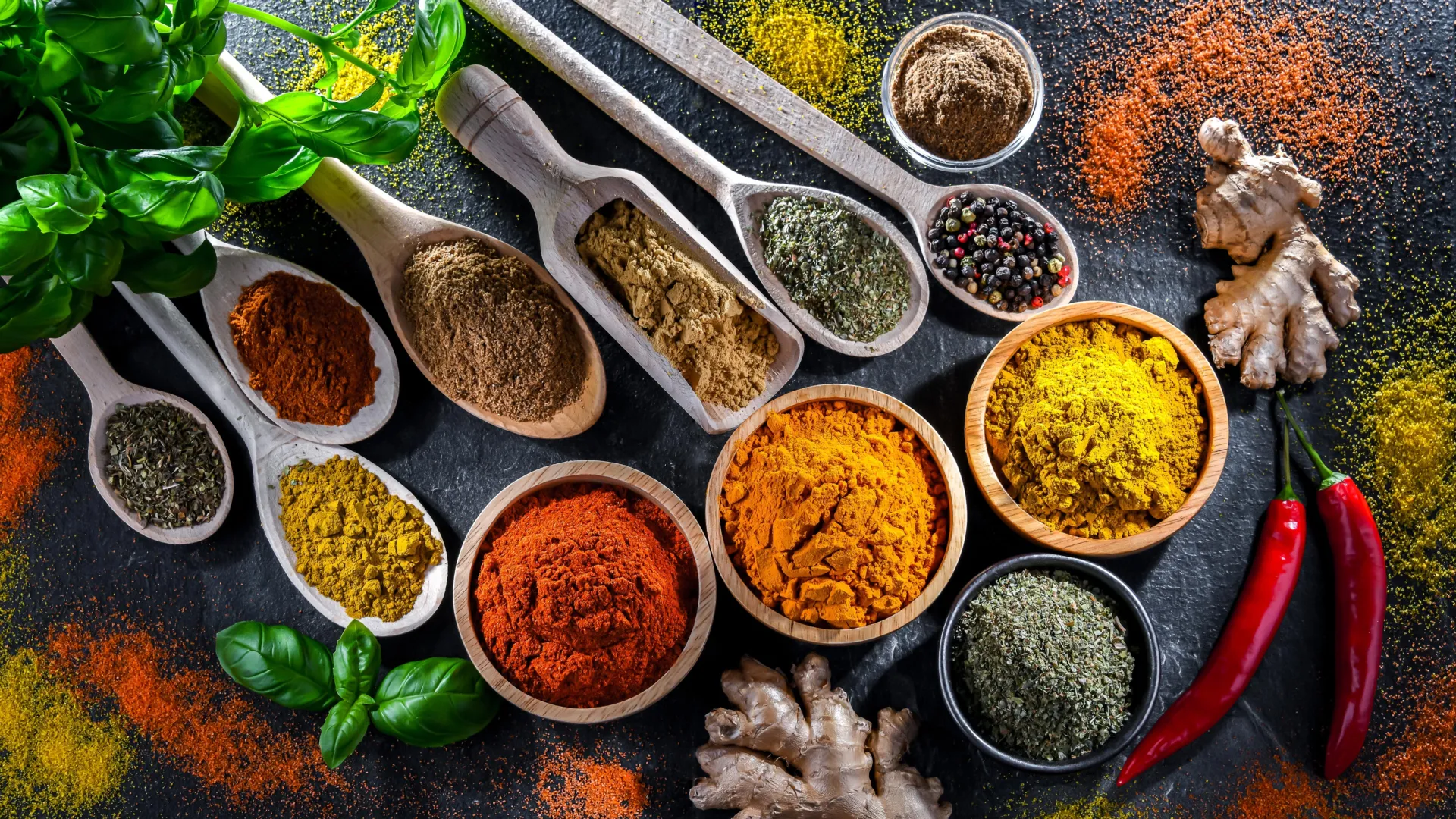
- The authors frame the result as molecular-level evidence for the "empirically known effects of combining food ingredients" used in traditional diets and herbal remedies for centuries, and point to functional foods, supplements, seasonings, and fragrances as commercial applications — with animal and human follow-up studies still needed.
Why it matters: The study gives mechanistic backing to the long-standing culinary practice of pairing spices, and shifts the anti-inflammatory case from any single 'super compound' to the interactions among them. For functional-food and supplement developers, the implication is that lower dietary-level doses of combined phytochemicals — menthol, 1,8-cineole, capsaicin — may deliver meaningful effects, potentially changing formulation strategy away from concentrating one ingredient.
Ask SkimNews