Bushehr Nuclear Plant Hit Four Times, Gulf at Risk — SkimNews

Get the Geopolitics newsletter
Daily geopolitics — wars, elections, sanctions, the diplomatic moves that move markets. Free.
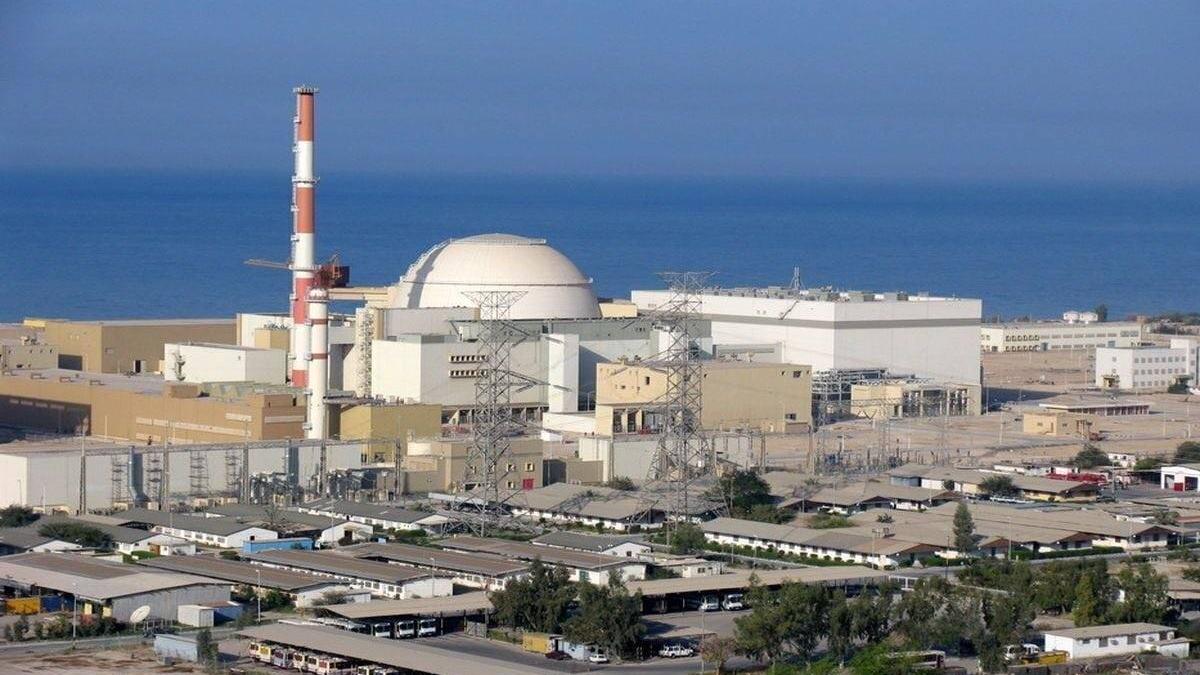
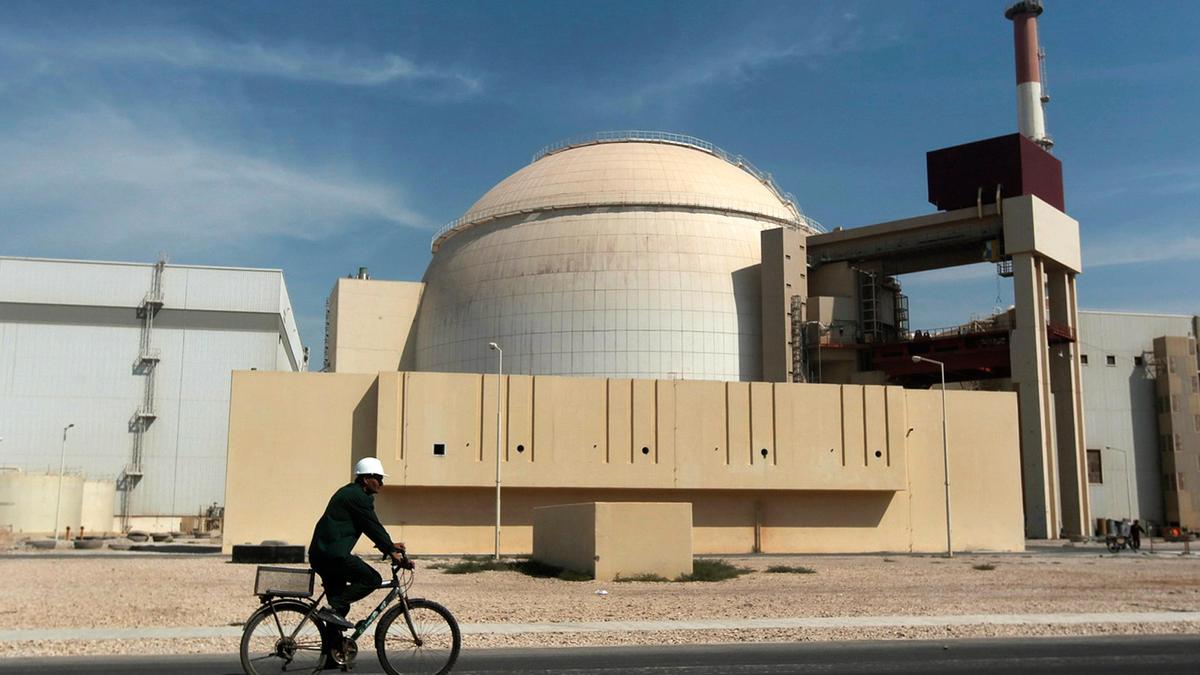
- Bushehr nuclear power plant has been hit four times since the war started February 28, with the latest strike on Saturday killing one security guard and damaging a side building, according to Iran's Foreign Minister Abbas Araghchi.
- Iran's Atomic Energy Organisation (AEOI) asked the IAEA to explicitly condemn the strikes, with chief Mohammad Eslami calling them "a clear violation of international law and an instance of a war crime" in a letter to Director-General Rafael Grossi.
- IAEA chief Rafael Grossi has repeatedly warned that a direct hit on Bushehr could cause a "very high release of radioactivity" with "great consequences" beyond Iran's borders, potentially requiring evacuations within several hundred kilometers and iodine distribution.
- Qatar's Prime Minister Sheikh Mohammed bin Abdulrahman bin Jassim Al Thani said simulations showed a Bushehr strike would leave the Gulf "entirely contaminated" and that Qatar would "run out of water in three days" due to desalination plants being unable to filter radioactive material.
- Araghchi publicly contrasted the West's silence on Bushehr with the swift international condemnation that followed Russia's March 2022 attack on Ukraine's Zaporizhzhia Nuclear Power Plant, which triggered an emergency UN Security Council session and statements from the US, EU, and NATO.
- Russia, which built Bushehr and still has personnel stationed there, issued a statement "strongly condemning the atrocity," while the European Union has not commented on the attacks on Bushehr.
- Article 56 of Protocol I to the Geneva Conventions prohibits attacks on "works and installations containing dangerous forces" such as nuclear facilities, with the source noting Bushehr supplies roughly 1,000MW to Iran's civilian grid from its single operational reactor.
Why it matters: Four strikes on Iran's sole operating nuclear reactor — the Middle East's first — have created a scenario where a single direct hit or loss of cooling power could release Caesium-137 across the Gulf. The 190km-away Qatari government's own modeling found the sea would be "entirely contaminated" and desalination-dependent nations would run out of drinking water within days, while the muted Western response contrasts sharply with the 2022 global outcry over Zaporizhzhia.
Ask SkimNews