The Technology Trap in Modern Warfare — SkimNews

Get the Tech newsletter
Daily tech — startups, AI labs, chips, the launches that shape the next decade. Free.
- The article argues that defense planners across the political spectrum now treat technology—hypersonic missiles, quantum computing, drone swarms, and AI—as the decisive factor in future warfare, creating what the author calls 'the technology trap'
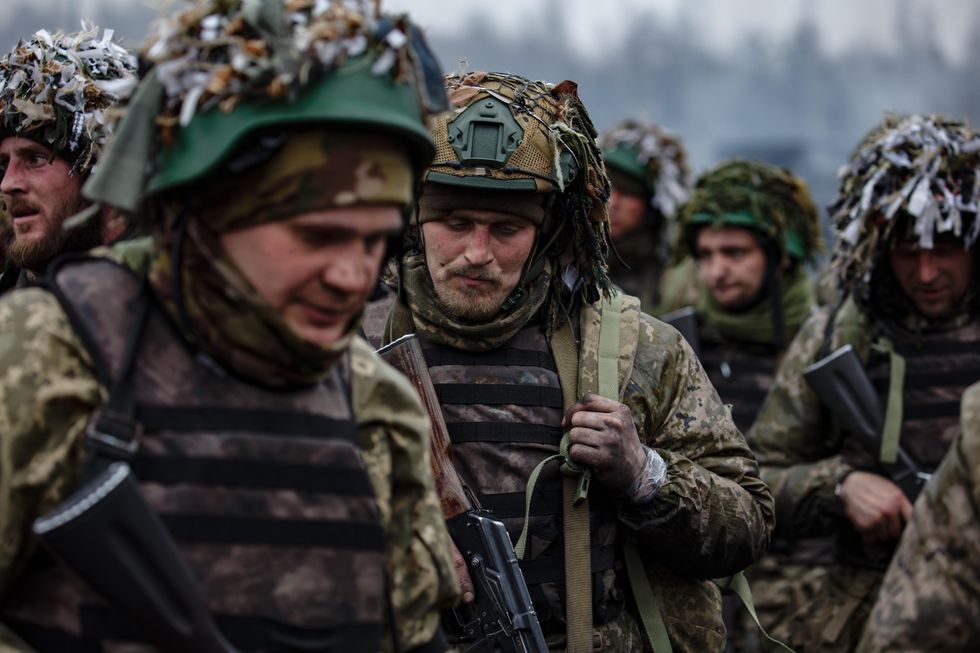
- Ukraine is described as 'World War I meets World War III,' with sophisticated Russian ballistic missiles and precision-guided glide bombs operating alongside drone bombs carried aloft by simple balloons, while fishermen's nets draped over checkpoints and the city of Izium rank among the most effective anti-drone defenses
- The 2018 National Defense Strategy, drafted under Elbridge Colby—who now serves as undersecretary of defense—anticipated that advanced computing, AI, robotics, hypersonics, and biotechnology would 'ensure we will be able to fight and win the wars of future,' a prediction the article characterizes as 'a failure of imagination'
- The Gulf War's apparent vindication of high-tech American warfare proved insufficient against post-9/11 insurgencies in Afghanistan and Iraq, supporting the article's reading of military historian Michael Howard's caution that 'whatever doctrine the Armed Forces are working on now, they have got it wrong'
- The article cites Iranian drone attacks on soft targets in Gulf Arab states since February, plus a 2026 U.S.-Israeli campaign that the piece says failed to topple Iran's regime and allowed Tehran to close the Strait of Hormuz, as further evidence that technological superiority did not translate into strategic success
- The recommended fix draws on Clausewitz, urging planners to identify 'the center of gravity' of an operation and articulate a theory of victory before hostilities begin, rather than substituting technological wizardry for strategic clarity
- The stakes are framed as a potential great-power conflict with China, where a tech-centric doctrine could obscure essential questions of who kills, who dies, and who decides
Why it matters: The piece challenges the bipartisan consensus that future warfare will be determined by technological edge, arguing this very certainty is itself a strategic vulnerability. With billions flowing toward AI, autonomous systems, and hypersonics, the article contends that militaries risk preparing for the wrong war while neglecting Clausewitz's enduring political and human fundamentals—raising the cost of any future great-power miscalculation with Beijing.
Ask SkimNews