Singapore reshapes government teams, steps up hiring as it builds nuclear energy capabilities — SkimNews
Get the Energy newsletter
Daily energy & climate — solar, EVs, oil, the policy fights and tech bets shaping the transition. Free.
- Singapore is preparing for an IAEA Integrated Nuclear Infrastructure Review (INIR) Phase 1 Mission in 2027 — announced in May — which will assess whether the country has developed the capabilities needed to make an informed decision on deploying nuclear energy.
- A new Nuclear Development Department was carved out of the Energy Market Authority's (EMA) Nuclear Energy Office in June, while the Ministry of Trade and Industry (MTI) set up a Nuclear Energy Division in April to coordinate nuclear policy across agencies.
- EMA and the National Environment Agency (NEA) posted at least 12 nuclear-related job openings over the past three months, spanning advanced reactor concepts, nuclear materials and installation security, and regulatory roles.
- The Singapore Nuclear Research and Safety Institute (SNRSI) will launch the country's first master's programme in nuclear engineering at NUS, with a one-year course beginning in the 2027 academic year and an initial cohort of about 30 students.
- SNRSI plans to grow its researcher pool from roughly 60 to more than 100 by 2030, having recruited over 30 PhD-level researchers over the past decade through its scholarship and training pipelines.
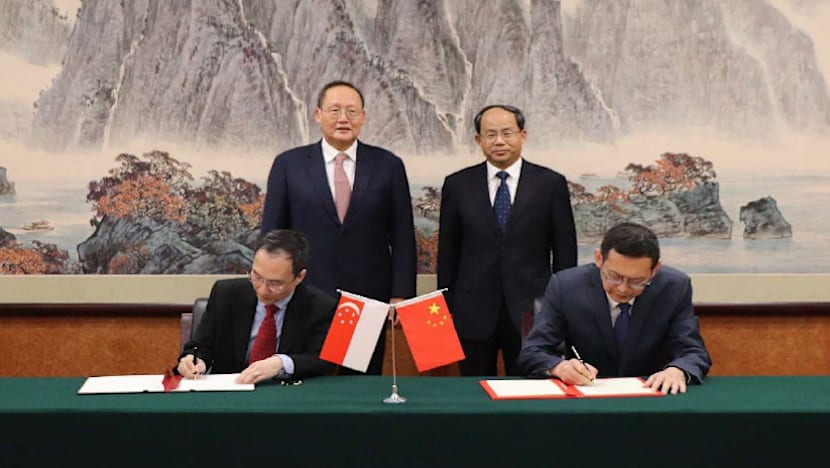
- SNRSI signed agreements with the Korean Atomic Energy Research Institute and the Thailand Institute of Nuclear Technology at the September IAEA General Conference, joining existing partnerships in France, the US, and China.
- Independent expert Ian Grant told CNA that even if Singapore ultimately proceeds with nuclear power, several more years of legal, regulatory, specialist-hiring, and financing groundwork would be needed before construction could begin.
Why it matters: Singapore is laying institutional scaffolding — a new department, a master's pipeline, and 12+ active specialist hires — well before the 2027 IAEA review determines whether deployment is feasible. Independent expert Ian Grant stresses that even a green light would require several more years of regulatory and financing work, making this the opening phase of a multi-decade capacity build rather than a near-term power decision. The expertise also has regional value: as ASEAN neighbours pursue their own programmes, Singapore's safety know-how becomes a diplomatic asset whether or not a reactor is ever built.
Ask SkimNews