Tesla Once Sued the EV Charging Escape Device Owners Now Want — SkimNews
Get the Energy newsletter
Daily energy & climate — solar, EVs, oil, the policy fights and tech bets shaping the transition. Free.
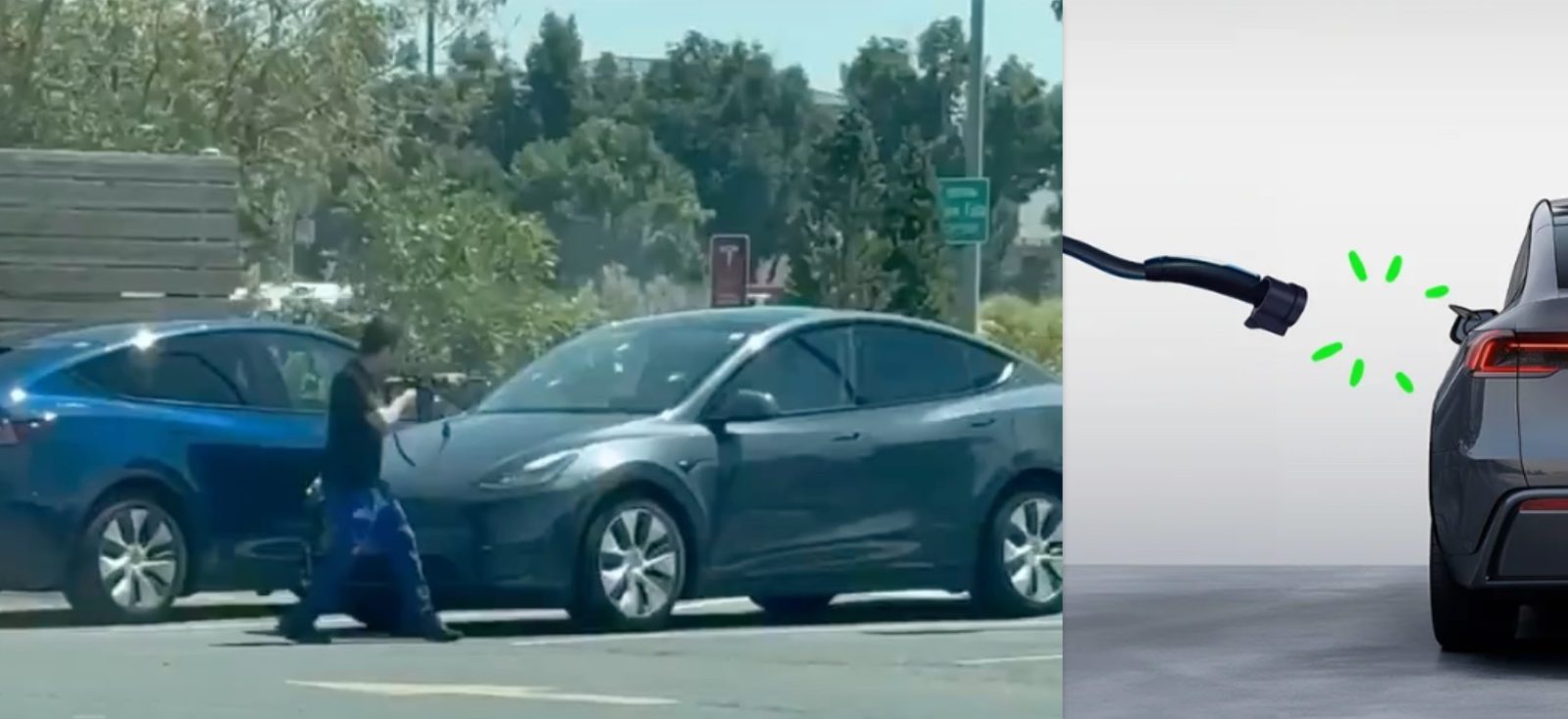
- The August 1 Twin Falls shooting at a newly opened In-N-Out killed three people and injured several; a Tesla driver who was charging at the lot's Supercharger survived after video showed the gunman firing into the vehicle.
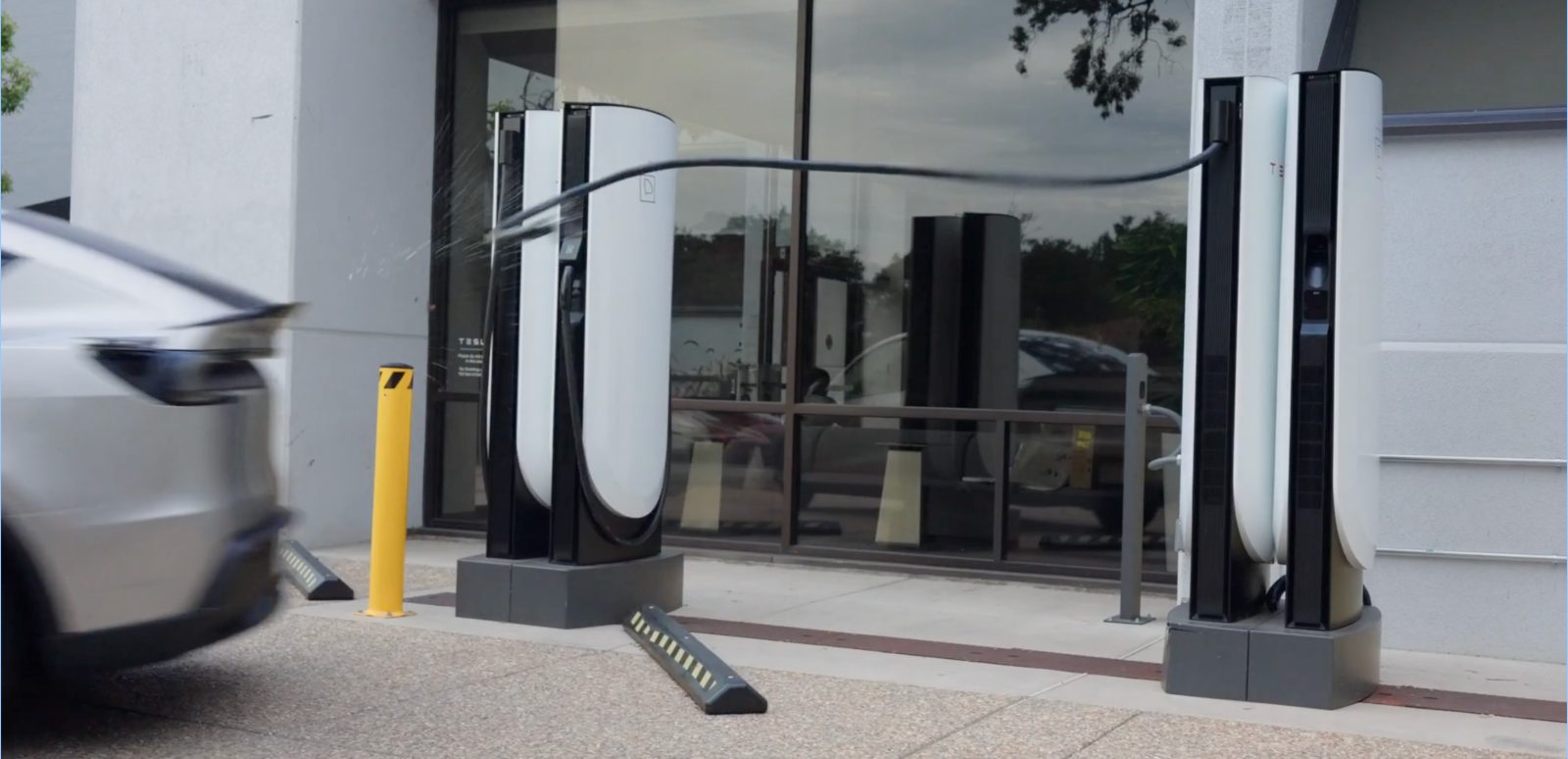
- The locked charging connector physically prevents driving away while power flows, requiring a screen or manual release — a vulnerability that turned viral as EV owners realized seconds matter during active threats.
- EVject's $299 "Escape Connector" flooded X with referral-coded promotions in the days after the shooting, advertising an adapter that breaks away when a driver floors it, allowing immediate departure while still plugged in.
- Tesla sued EVject in 2024 in a California court, claiming its connector could reach surface temperatures of 100°C after 30 minutes of high-current charging with no over-temperature protection; Tesla dropped the suit after EVject released an updated version with thermal protection.
- The locking requirement is industry-wide, baked into NACS, CCS, and J1772 charging standards to prevent arcing during high-voltage flow — meaning every EV at a DC fast charger has the same constraint, not just Teslas.
- A native in-car solution is the real fix per the article: Tesla controls both vehicle and charger and could safely cut power and release the latch with a single driver action, eliminating the need for any aftermarket adapter.
Why it matters: The shooting crystallizes a product-safety gap every EV driver faces: connectors must lock to prevent arcing, but no automaker has engineered an emergency escape into the car itself, forcing owners to bolt on a $299 accessory the manufacturer once called a fire risk — a trade-off regulators and competitors now have to confront, not just Tesla.
Ask SkimNews