Ukrainian Drones Ignite Wildberries Warehouse Near Moscow — SkimNews
Get the Geopolitics newsletter
Daily geopolitics — wars, elections, sanctions, the diplomatic moves that move markets. Free.
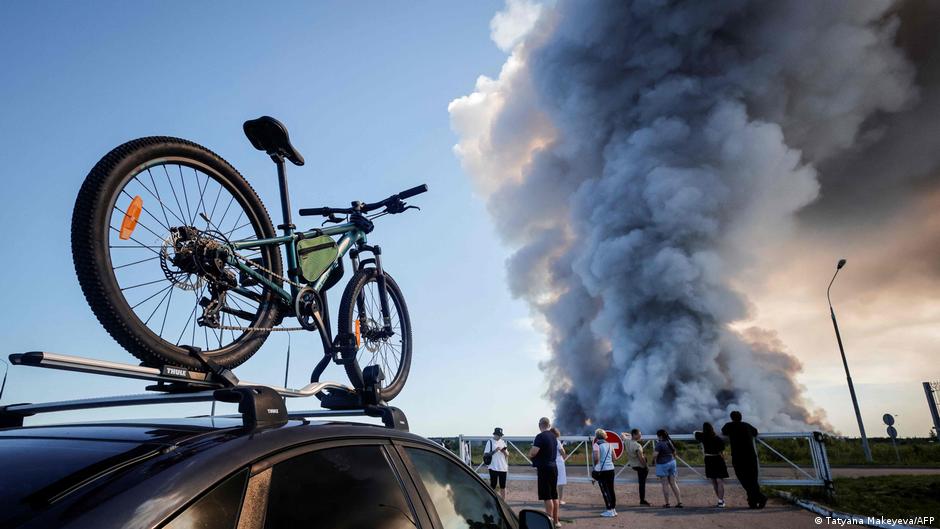
- Ukrainian drones struck a massive Wildberries logistics center roughly 45 km (28 miles) south of Moscow overnight, with the fire still burning the following morning in one of Ukraine's largest attacks on Russia to date.
- The 413th "Raid" Unmanned Systems Regiment, commanded by Yevhen Karas, took part in the Wildberries strike and was observed by AP journalists launching approximately 20 small planelike, explosives-laden drones from a sunflower field in southern Ukraine.
- Kyiv has ramped up strikes on Wildberries depots this year, burning billions of dollars' worth of merchandise belonging to Russia's largest online retailer as part of a broader campaign hitting military, industrial, energy, and logistical targets deep inside Russia.
- Karas said the goal is to make ordinary Russians feel the war's costs and pressure Putin into negotiating, arguing during stalled U.S.-brokered talks that "the bigger casualties they have," the sooner Moscow will pursue peace.
- The attacks have forced Russia's military to stretch its air defenses over a wider area, disrupted airports, sparked fuel shortages, and undermined morale inside Russia.
- The regiment uses domestically produced FP-1 drones with flight ranges exceeding 1,000 miles; its ranks include a former opera singer, a computer programmer, a rapper, and a cellist.
- Karas, 38, who majored in philosophy, volunteered alongside his brother Volodymyr on Feb. 24, 2022; his brother was killed defending the Kyiv region, and Karas rose through the Special Operations Forces before taking command of the newly-formed 413th in 2024.
Why it matters: Kyiv is betting that escalating strikes on deep Russian economic targets — burning billions in Wildberries merchandise and forcing Moscow to spread its air defenses thin — will translate civilian economic pain into political pressure on Putin. Karas explicitly named the goal: driving Moscow back to peace talks via 'the bigger casualties they have,' while Russia's airports, fuel supplies, and morale absorb the cost.
Ask SkimNews