Taiwan Slams Beijing's ROC Erasure While Retiring Its Own — SkimNews

Get the Geopolitics newsletter
Daily geopolitics — wars, elections, sanctions, the diplomatic moves that move markets. Free.
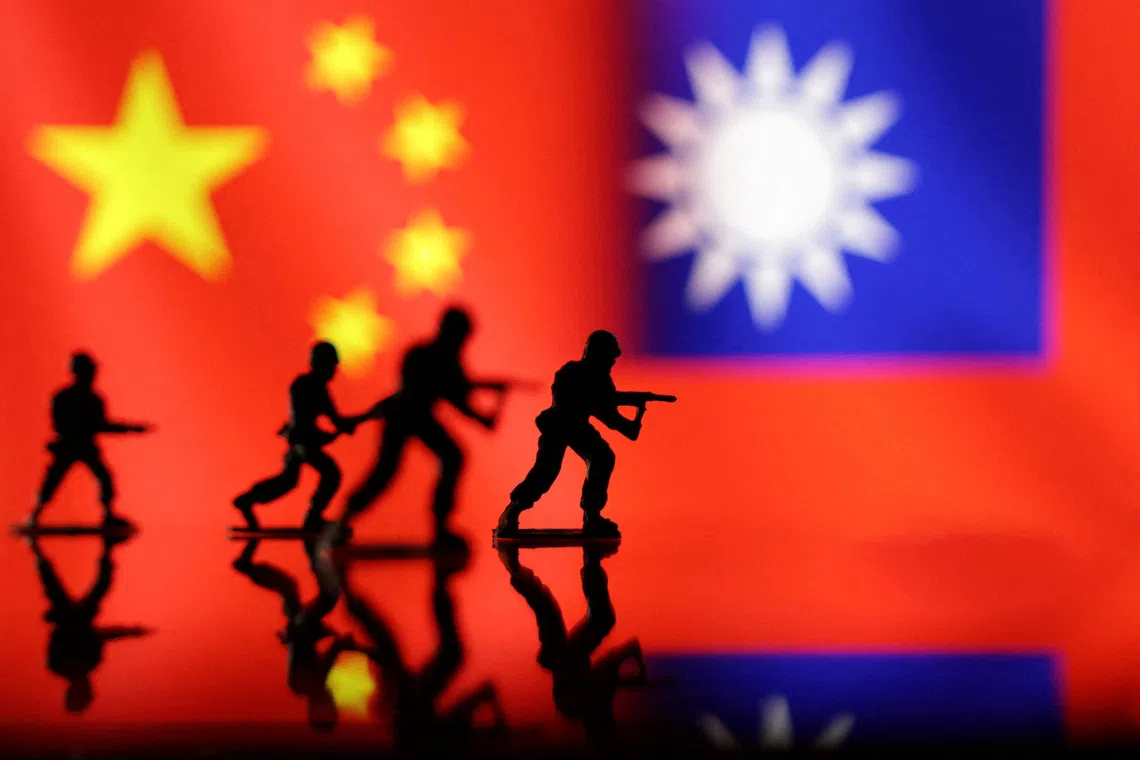
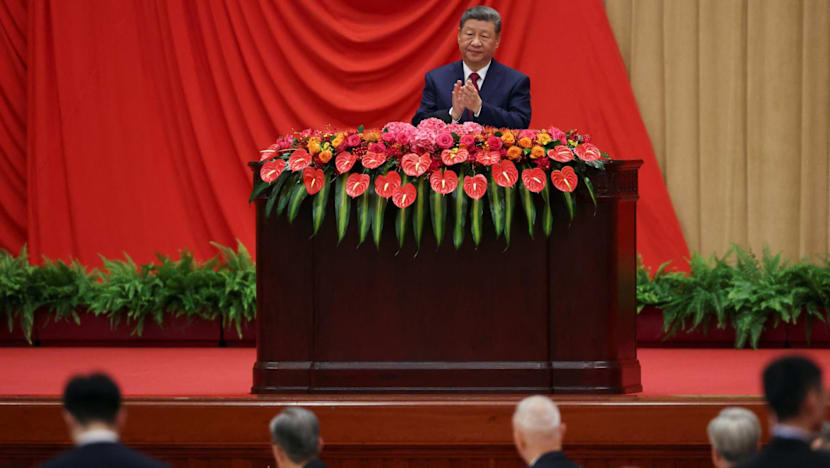
- The White House described the US and China as WWII allies who "fought side by side to win the war," but the government that actually fought alongside the US was the ROC; the PRC did not exist until 1949, four years after Japan's surrender.
- Taiwan's Mainland Affairs Council called the ROC the "true ally" of WWII, and Deputy Foreign Minister Wu Chih-chung labeled the framing "de-ROC-ization," saying the ROC's existence is being "erased from history, and replaced by the Chinese Communist Party."
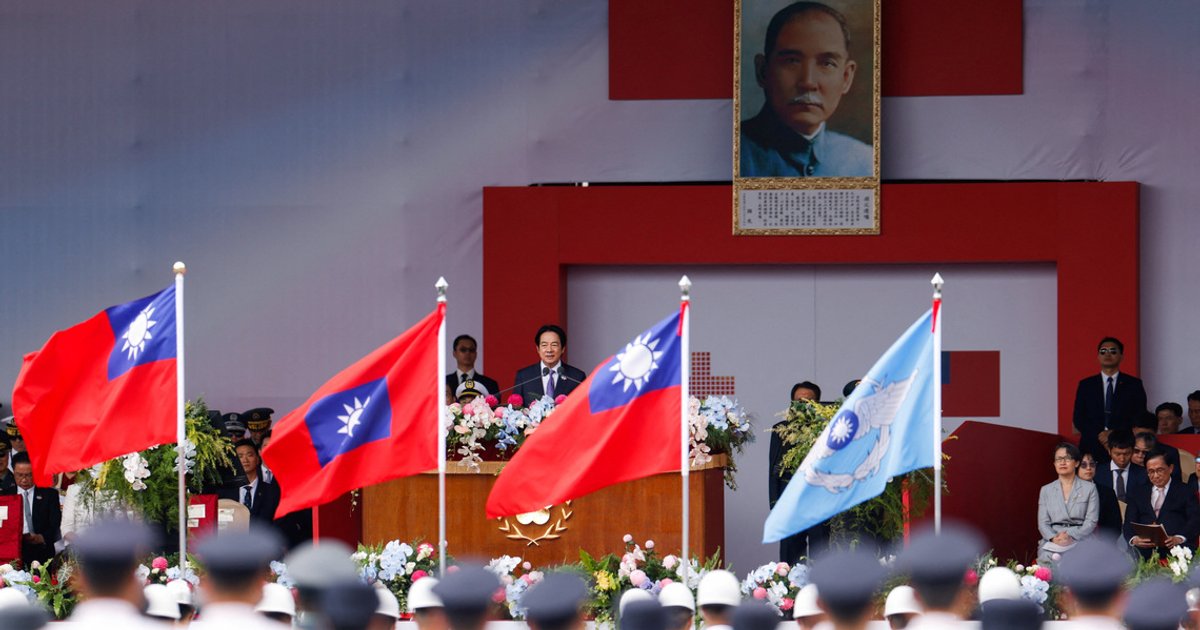
- Taiwan's Los Angeles representative office sent out 2025 National Day invitations branded "Taiwan National Day," replacing the prior year's "Republic of China 114th National Day" cards — the same government accusing Beijing of erasing the ROC internationally.
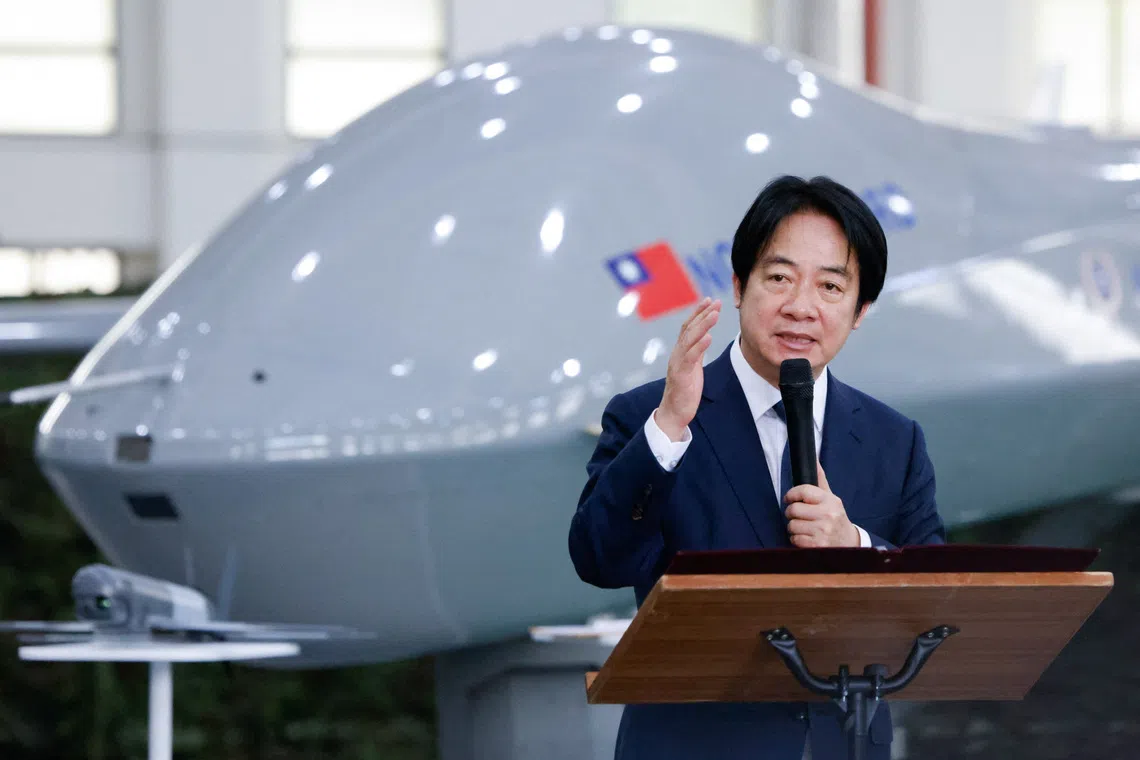
- President Lai Ching-te used the term "end of the war" (終戰) in his August 2025 message marking 80 years since Japan's surrender, rather than the ROC-centered "victory in the War of Resistance" (抗戰勝利); opposition lawmakers criticized the terminology shift as part of a broader Taiwan-centered historical narrative.
- Taiwan's broader evolution under the "Republic of China (Taiwan)" formulation of the Tsai Ing-wen era and Lai's "not subordinate to each other" framing has produced a more Taiwan-centered conception of ROC sovereignty, narrowing the rhetorical space in which Taipei defends the ROC's pre-1949 history.
- The strategic paradox the author names: the more Taipei reduces the visibility of the ROC's historical identity in its own diplomatic and commemorative practice, the more narrative room Beijing gains to present wartime "China" as an uninterrupted predecessor of today's PRC.
Why it matters: If Taiwan wants the ROC's historical continuity to remain a live argument against the Chinese Communist Party's sovereignty claims — including the ROC's WWII role and postwar arrangements like the San Francisco Peace Treaty — that argument has to be sustained in Taipei's own diplomatic and commemorative practice. Successive Taiwanese governments have instead softened ROC branding to reflect a citizenry that increasingly identifies as Taiwanese rather than Chinese, which the source argues risks ceding narrative ground to Beijing's version of wartime and postwar history.
Ask SkimNews