Aria Funds £54m Gene-Editing Projects for UK Wildlife — SkimNews

Get the Health newsletter
Daily health & science — research, biotech, public health, the studies worth knowing. Free.
- Aria announced 14 biotech projects funded by an initial £30m of a £54m programme over two years, aimed at giving UK wildlife 'precision tools' against climate and disease threats.
- University of Exeter researchers will use Crispr-Cas9 gene-editing on the swallowtail butterfly—a red-listed species—to boost its resistance to farm insecticides, while Rothamsted Research will edit English oak genes so the trees can reproduce in months rather than decades.
- Cultivarium, partnering with Imperial College and Queen Mary University of London, will engineer bacteria living on amphibian skin to produce proteins that fight chytrid fungal infections, which have caused population declines in 500+ amphibian species.
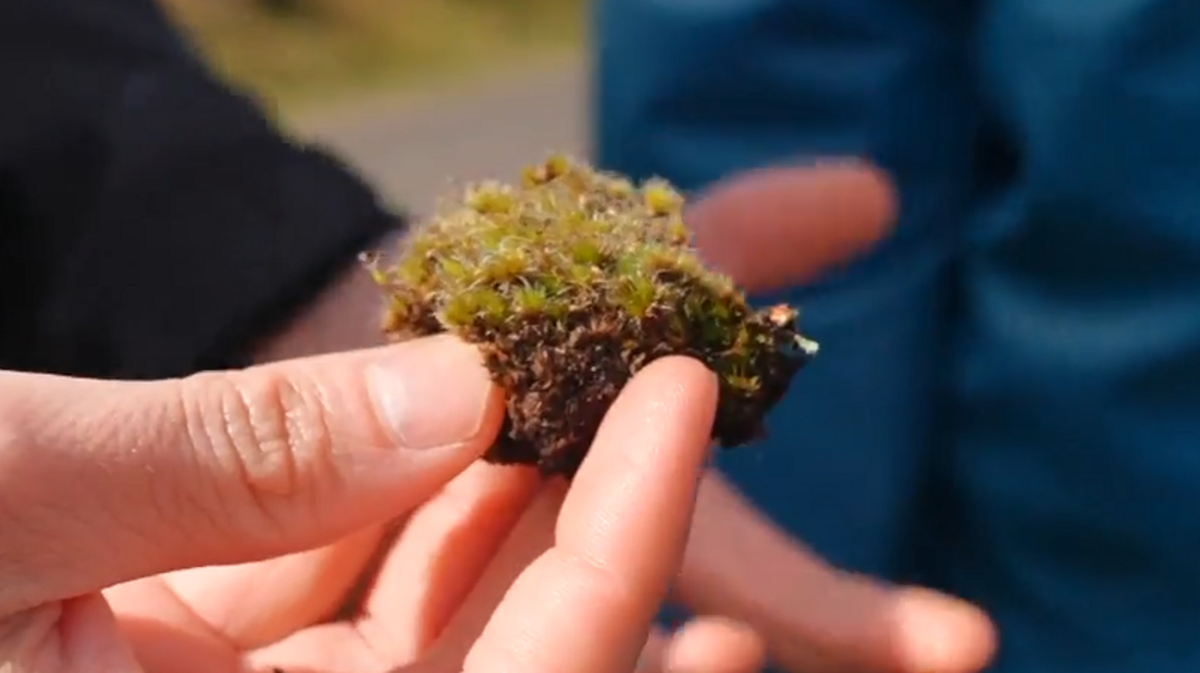
- Cardiff University mycologist Sarah Christofides is leading a project that injects ash trees with RNA molecules to block ash dieback infection, a disease expected to kill half of Britain's ash trees—'like giving the tree a vaccination.'
- Aria chair Matt Clifford was forced to stand down this month over a 'clear conflict of interest' after taking a job with Anthropic, the developer of the AI chatbot Claude.
- No solutions will be released into the wild during the programme, running until 2030, with ethics grounded in the IUCN's first global synthetic biology policy; an additional £24m will follow for projects that show early success.
- University of York's Chris Thomas, not involved in Aria's programme, called interventions like these 'probably pretty naive' for preventing biodiversity loss and warned their impact will likely be 'modest.'
Why it matters: Aria is committing £54m of UK taxpayer money to a synthetic-biology toolkit that its own sceptical outside commentator says will probably have only 'modest' impact—and it is doing so while the agency's chair just stepped down over a conflict of interest involving Anthropic. If even one chytrid-blocking bacteria or ash-tree RNA vaccine proves out in the lab, Defra still gates any real-world release, so the 2030 horizon is the real test of whether any of these 'precision tools' ever leave the petri dish.
Ask SkimNews