Cambodia, Thailand Sea Dispute Heads to PCA in Singapore — SkimNews
Get the Geopolitics newsletter
Daily geopolitics — wars, elections, sanctions, the diplomatic moves that move markets. Free.
- Cambodia initiated a UN-backed conciliation process at the Permanent Court of Arbitration after Thailand unilaterally withdrew in May from the 2001 MoU 44 framework for joint offshore energy exploitation in the Gulf of Thailand.
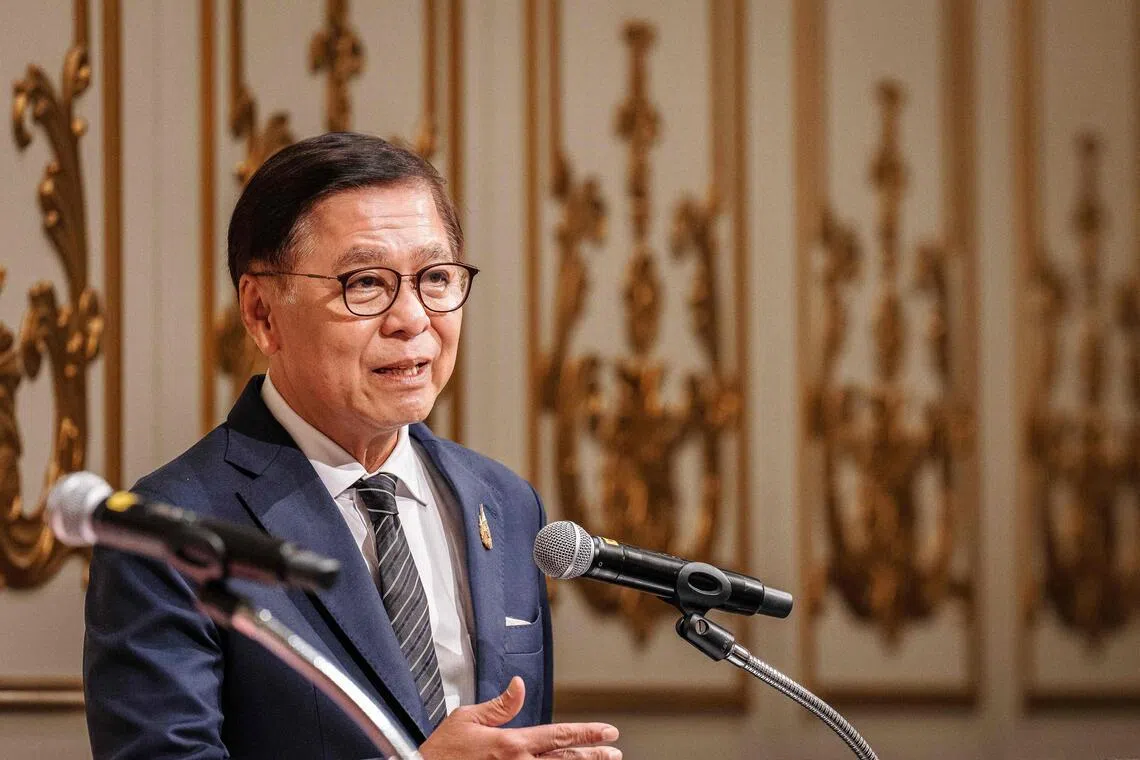
- Cambodian Foreign Minister Prak Sokhonn and Thai counterpart Sihasak Phuangketkeow are set to deliver opening statements on Tuesday before a five-member conciliation panel of international law experts at the PCA's Singapore office — the Hague-based court's first in Asia.
- Thailand's energy ministry has estimated future oil and natural gas revenues in the 27,000-sq-km overlapping claims zone at around US$300 billion, the prize at the center of two decades of bilateral negotiation.
- Thai Prime Minister Anutin Charnvirakul denied the withdrawal was linked to last year's border conflict, which produced two rounds of clashes that killed dozens and displaced more than a million before a truce.
- The Permanent Court of Arbitration, established in 1899 as the world's oldest intergovernmental dispute-resolution body, will issue non-binding recommendations expected to take about a year.
- Analyst William Jones of Mahidol University International College argued in The Diplomat that Thailand's withdrawal was meant to bury the legacy of former PM Thaksin Shinawatra, while calling Cambodia's filing a "shrewd political move" by PM Hun Manet after a land-border military defeat.
Why it matters: The dispute covers an estimated US$300 billion in oil and gas across a 27,000-sq-km zone, and the PCA process gives Cambodia a legal track after losing militarily on land. Analysts frame both sides' moves as domestic political theater — Thailand distancing itself from Thaksin-era diplomacy, Cambodia's Hun Manet scoring a low-cost win — but the panel's recommendations are non-binding, so the real stakes are precedent and who controls future exploitation rights.
Ask SkimNews