Beijing: From 1900 Indemnity to 2026 Indispensability

Get the Geopolitics newsletter
Daily geopolitics — wars, elections, sanctions, the diplomatic moves that move markets. Free.
- Eight-Nation Alliance troops — 51,755 from Austria-Hungary, Britain, France, Germany, Italy, Japan, Russia, and the US — marched into Beijing in August 1900, looted the Forbidden City and Old Summer Palace, destroyed portions of the Yongle Dadian and Siku Quanshu, and imposed the punitive Boxer Protocol of September 1901.
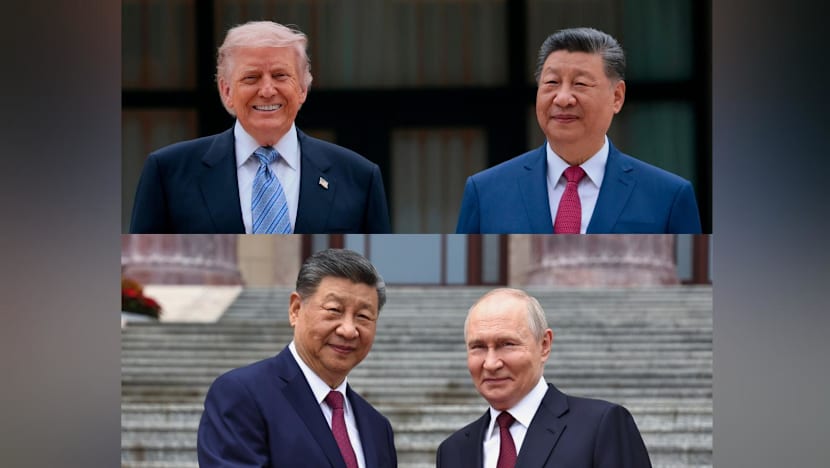
- Donald Trump visited Beijing in May 2026, calling Xi Jinping "my friend" and "tall, very tall," while securing only vague commitments on Boeing jets and soybeans that Beijing declined to confirm in detail; Air Force One departed before the US president publicly mentioned Taiwan at all.
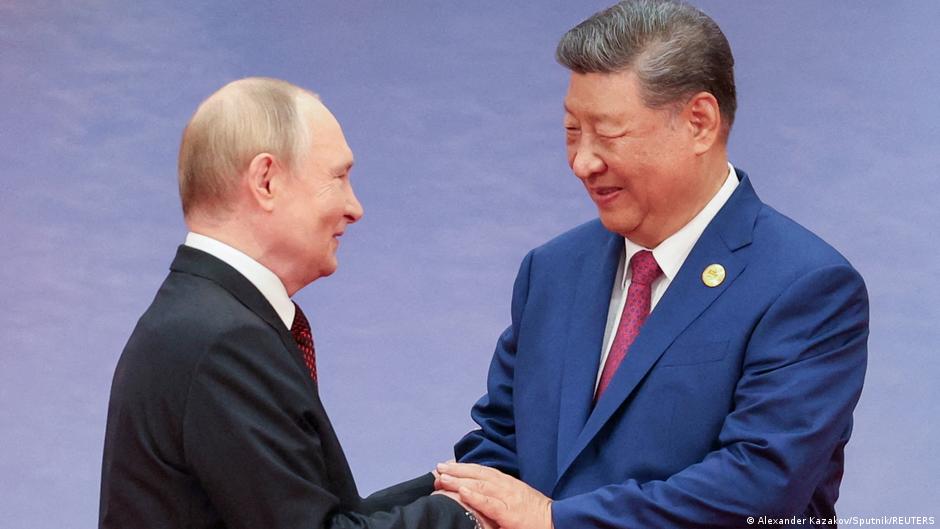
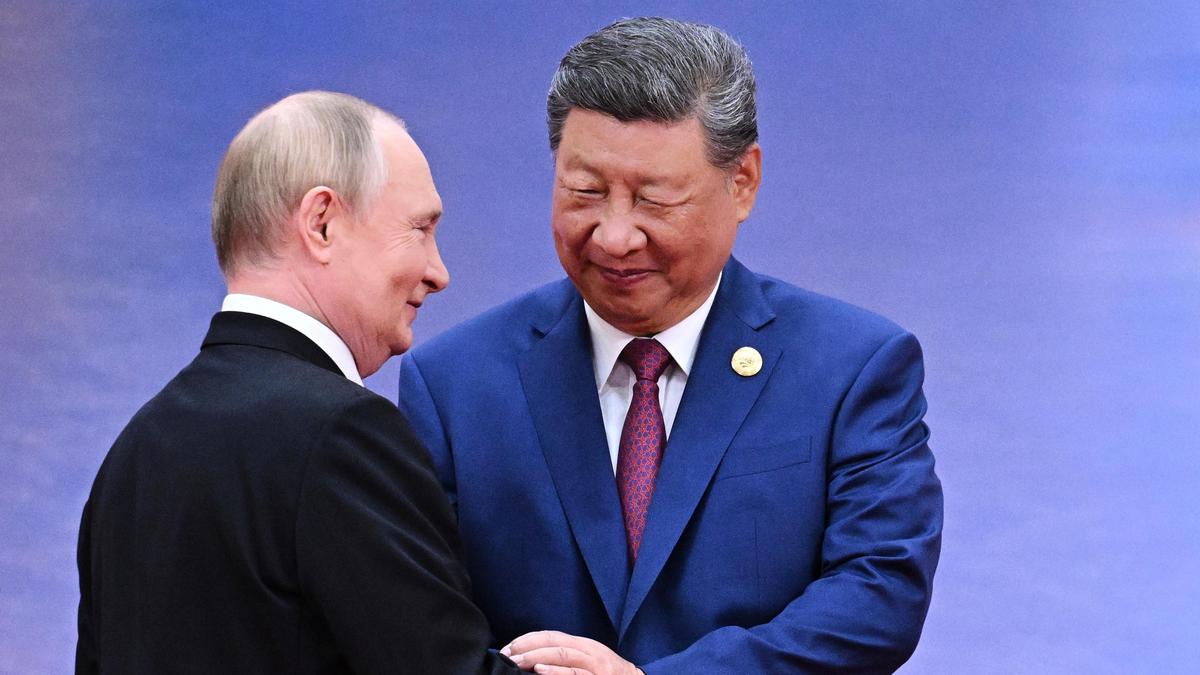
- Vladimir Putin traveled to Beijing in the same month explicitly "to share opinions on the contacts that the Chinese had with the Americans," with Xi reserving the word "friend" for Putin amid their "no limits" partnership cultivated since 2022.
- China-Russia trade remains sharply asymmetric: Russia depends on China for more than a third of its imports and a quarter of its exports, while accounting for only about 4% of Chinese trade — less than Vietnam.
- China's demographic ceiling includes a fertility rate of 1.0 in 2025, a fourth consecutive year of population decline, and 2021 as the high-water mark of nominal-GDP convergence with the US, with Belt and Road stalled in places and cultural soft power described as "modest" by global metrics.
- The Eight-Nation Alliance dissolved within a year of victory with no formal treaty ever binding it together — a parallel the author draws to modern coalitions "assembled around a single moment" that rarely outlive that moment.
- Y. Tony Yang, an Endowed Professor at George Washington University, argues the 2026 summits may capture "a particular moment — perhaps a maximum" and counsels restraint in Beijing, competence over spectacle in Washington, and patience in Moscow.
Why it matters: The article argues the 2026 summits may represent a maximum in Chinese leverage, not a permanent new order — a window that could narrow by 2046 if the 1.0 fertility rate and four consecutive years of population decline persist. For Washington, the procedural lesson is that centralized states reward preparation, not improvisation, and vague soybean commitments deliver little.
Ask SkimNews