The West studies China’s power — but not its civilization — SkimNews

SkimNews Take
Reframing the contest as civilizational rather than purely geopolitical shifts the basis of comparison onto terrain — historical legitimacy, cultural depth — where Western analytical apparatuses are structurally weaker than on quantifiable power metrics.
Get the Geopolitics newsletter
Daily geopolitics — wars, elections, sanctions, the diplomatic moves that move markets. Free.
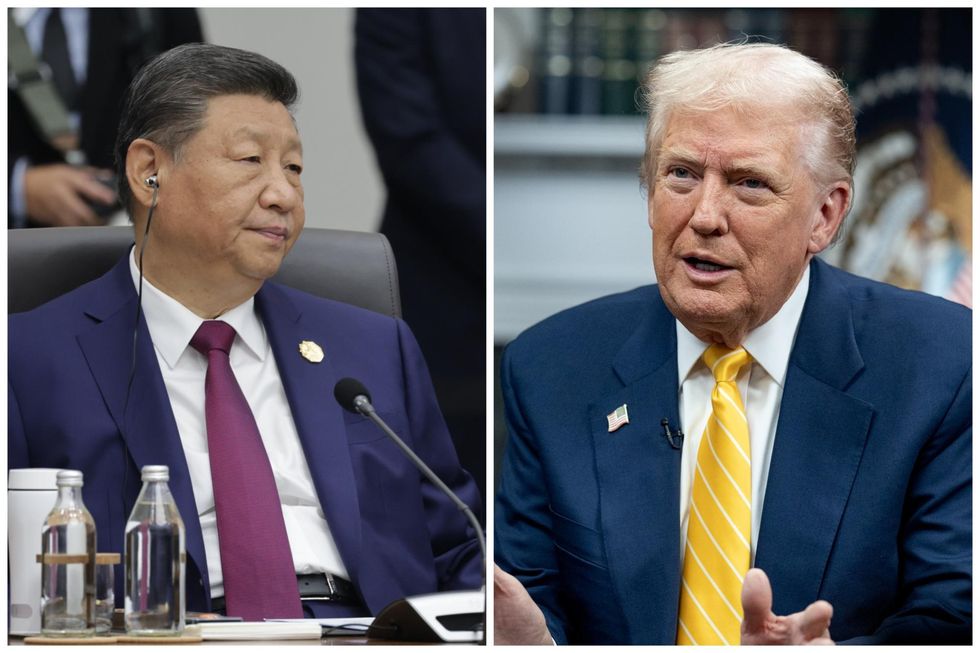
- Xi Jinping asked Donald Trump at a Beijing summit on May 14, 2026, whether the US and China could avoid the 'Thucydides Trap' and warned that mishandling Taiwan could bring the two countries into conflict.
- Modern Language Association data shows Chinese language enrollment at US colleges fell 14.3% between 2016 and 2021, with graduate enrollment declining from 1,266 to 892 — at a moment the article describes as when China expertise is becoming most necessary.
- The article contrasts American emphasis on individual rights with Chinese emphasis on social order, collective welfare, and relational obligation, arguing the difference helps explain recurring disputes over human rights, governance, and social stability.
- New Confucianism emerged as thinkers including Mou Zongsan, Tang Junyi, and Xu Fuguan defended the tradition against critics blaming it for China's weakness while exploring compatibility with science, democracy, and individual freedom.
- Tu Weiming's concept of 'cultural China' extends beyond the Chinese state to include people connected to Chinese civilization through language, memory, and intellectual engagement — demonstrating conversations visible only when China is treated as a civilization rather than a strategic problem.
- Authors Bill Kelly (former UCLA lecturer, author of 'Reinventing China') and Jan Krikke (author of six books about Asia) argue escaping the Thucydides Trap requires both societies to understand the historical narratives through which the other interprets power, order, and national purpose.
Why it matters: As Chinese language enrollment at US colleges fell 14.3% between 2016 and 2021, the pipeline of Americans who can interpret Chinese historical memory, moral vocabulary, and diplomatic signals is shrinking precisely when diplomatic and business decisions about Beijing most require it — risking the misreading of symbolism for substance that the authors say defines engagement with an imagined China.
Ask SkimNews