Scots pine epiphyte sprouts 6ft up in birch — SkimNews

Get the Energy newsletter
Daily energy & climate — solar, EVs, oil, the policy fights and tech bets shaping the transition. Free.
- Scots pine is growing 6 ft up in the fork of an old birch in the Cairngorms, appearing to sprout from the host.
- Rowan and a birch appear to sprout from the same stem, while a holly and a hawthorn are intertwined, requiring tracing back through leaves, twigs, branches, and trunks to determine their union depth.
- Inosculation is a natural grafting process where tree limbs rub, wear away bark, and fuse, sometimes sharing vascular systems and occurring from the trunk base to higher branches.
- Folklore calls inosculation “a husband and wife tree”, usually within species but sometimes crossing species lines.
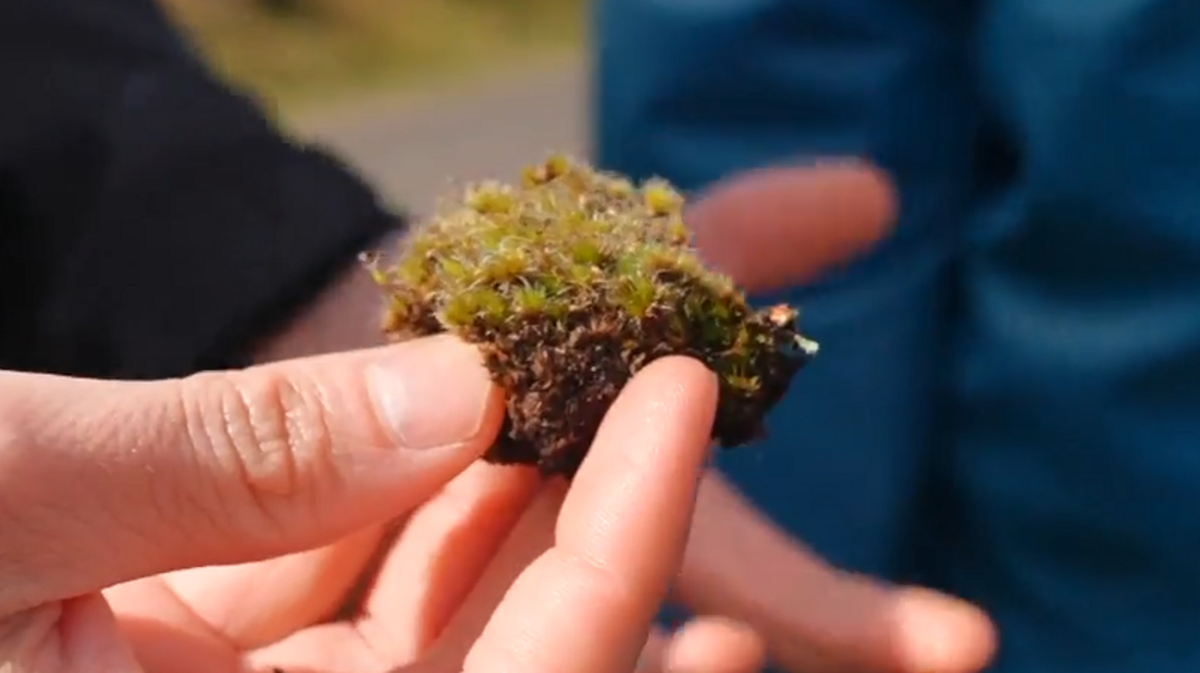
- Epiphyte growth describes the high‑perched pine, which germinates in decaying wood or mossy crevice on a tree and survives on organic debris, sunlight, rainwater, and air.
- Epiphytic Scots pine has limited growth and lifespan unless it sends roots down through the host to the ground, a rare event that usually splits the host trunk.
- Young birch rising from the gnarl root claw of an ancient felled Scots pine shows a reversal where a living tree grows from a dead one, illustrating inter‑species union between living and dead.
Why it matters: Botanists and forest ecologists gain concrete evidence of rare epiphytic pine growth and inter‑species grafting, underscoring the importance of decaying wood as a niche for biodiversity in the Cairngorms. Conservation plans can incorporate these dynamics, while the trees involved illustrate the fragile balance between living and dead forest components.
Ask SkimNews