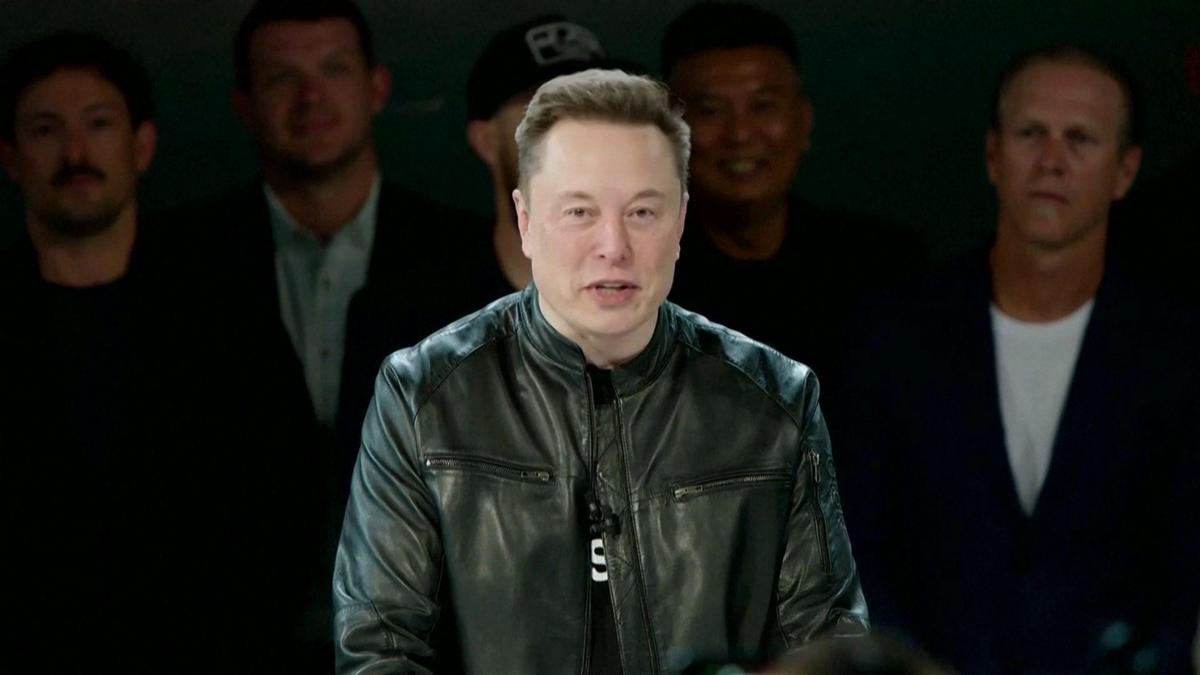
Musk Becomes First Trillionaire After SpaceX IPO — SkimNews
Get the Finance newsletter
Daily finance — markets, central banks, M&A, the prints that move money. Free.
- SpaceX went public on Nasdaq on Friday at $135 per share, reaching a market valuation of approximately $1.77tn and making Elon Musk the world's first trillionaire.
- SpaceX was priced at roughly 100 times its 2025 revenue despite consistent negative profitability, with much of the 'value' derived from a deal Musk struck between SpaceX and his AI startup xAI — a transaction Reich describes as Musk 'essentially made that deal with himself.'
- FCC Chair Brendan Carr, whom Musk recommended to Trump, approved regulatory requests granting SpaceX's Starlink control of more than 10,300 active satellites — roughly two-thirds of all satellites in low Earth orbit.
- Carr also opened an investigation into rival satellite company EchoStar at SpaceX's complaint and threatened to revoke the broadcast licenses of NBC and ABC over their coverage of Trump.
- Musk's shares carry 10 times the voting power of shares offered to the public, leaving outside SpaceX shareholders with no meaningful voice, according to Reich.
- The Nasdaq 100 implemented a new 'fast entry' rule on May 1 that will fold SpaceX into the index almost immediately, channeling retirement savings, pensions, and university endowments into the stock without investor consent.
- SpaceX insiders can sell their shares sooner than is typical for an IPO, allowing them to ride the index-driven price surge and exit before any downturn.
Why it matters: The SpaceX IPO structure channels retirement savings, pensions, and university endowments into Musk's company through a fast-tracked Nasdaq 100 inclusion rule, while insiders retain 10x voting power and early exit options. The xAI self-deal and the Musk-aligned FCC chair illustrate how concentrated power and weak regulatory checks now shape headline market valuations.
Ask SkimNews