Iran readies broader retaliation if US strikes resume — SkimNews
Get the Geopolitics newsletter
Daily geopolitics — wars, elections, sanctions, the diplomatic moves that move markets. Free.
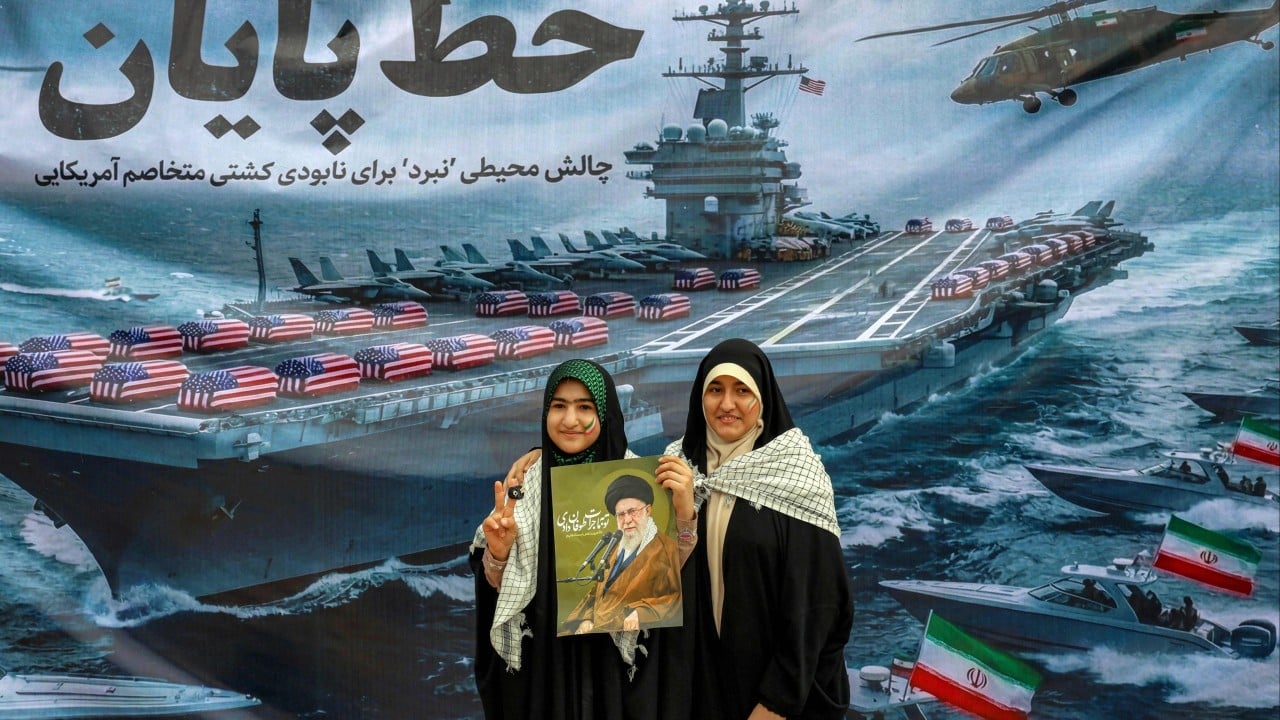
- Iran's military commanders are reviewing plans to expand potential targets beyond US-linked assets to countries supporting US military operations, possibly including locations outside the Middle East, according to three senior Iranian officials
- Tehran submitted a proposal through Qatari mediators at the UN General Assembly calling for an end to fighting, lifting the US blockade on Iranian ports, releasing $12 billion in frozen Iranian funds, and waiving oil sanctions
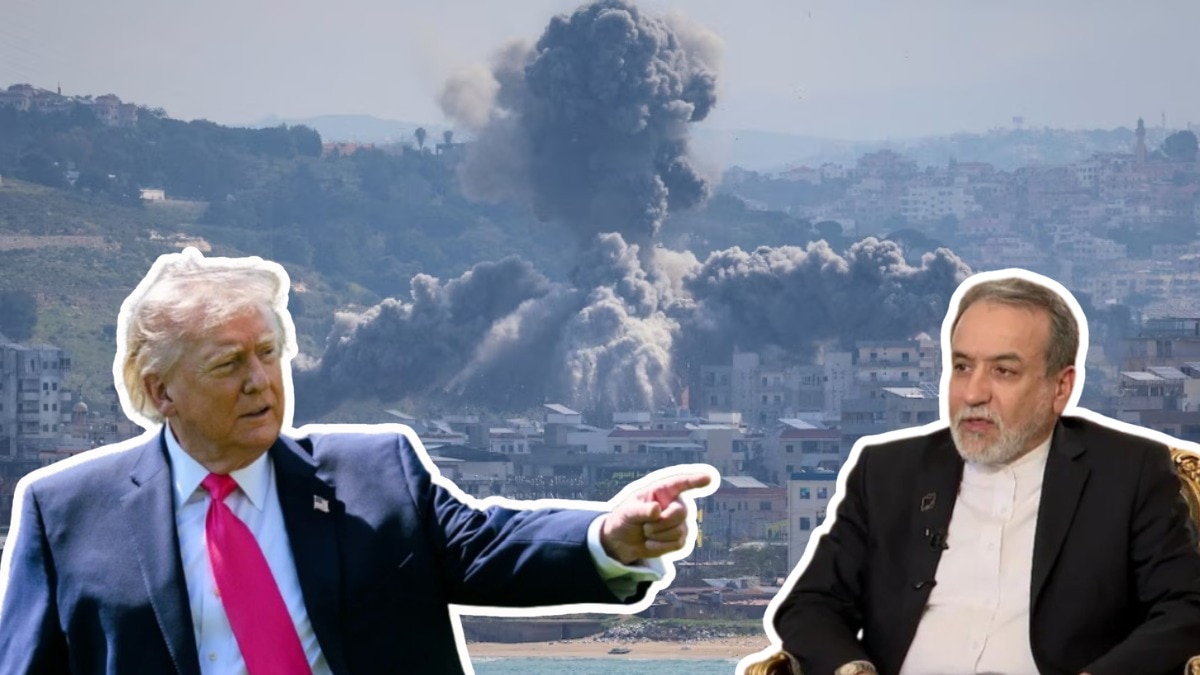
- Trump rejected the proposal on Saturday, but a US response was delivered to Tehran via Qatar on Tuesday and is now under review by Iranian authorities
- Washington wants Iran's disputed nuclear program included in negotiations, while Tehran insists nuclear talks can only begin after its seven conditions are met
- Iran has instructed allied groups in Lebanon, Yemen, and Iraq to prepare for a coordinated response 'from the Strait of Hormuz to US interests in the region and outside the Middle East'
- The seven-month conflict has killed thousands of civilians, degraded Iran's military, and depleted Pentagon missile stockpiles, with Houthi allies advancing toward Bab el-Mandeb to open a second pressure point on global energy routes
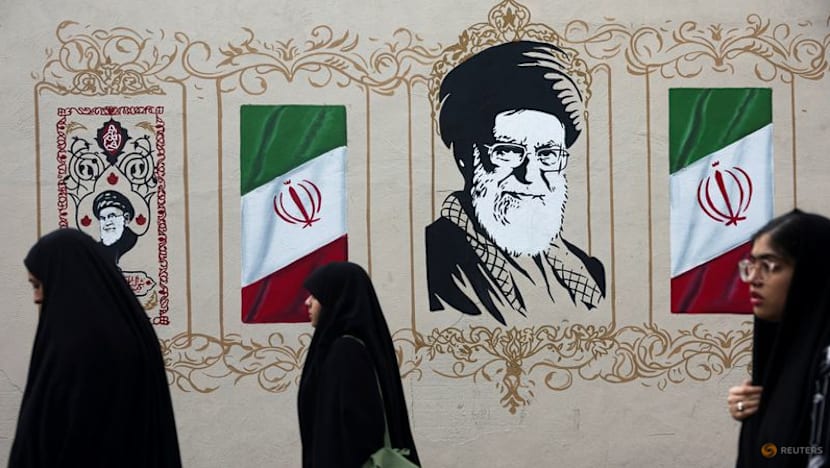
- Iranian leadership fears a repeat of January's protests as the anniversary approaches; Amnesty International reported 6,000+ arrests since hostilities began, and UN investigators cited mass arrests, torture, and increased use of the death penalty
Why it matters: With Trump rejecting Tehran's proposal and Iran widening its target list to countries backing US operations, the diplomatic off-ramp is narrowing while the battlefield expands — Gulf states and global energy routes through the Strait of Hormuz and Bab el-Mandeb face higher risk. The $12 billion in frozen funds and oil sanctions waiver at the core of Iran's offer show exactly where Tehran sees leverage, but the precondition gap on nuclear talks keeps that door shut.
Ask SkimNews