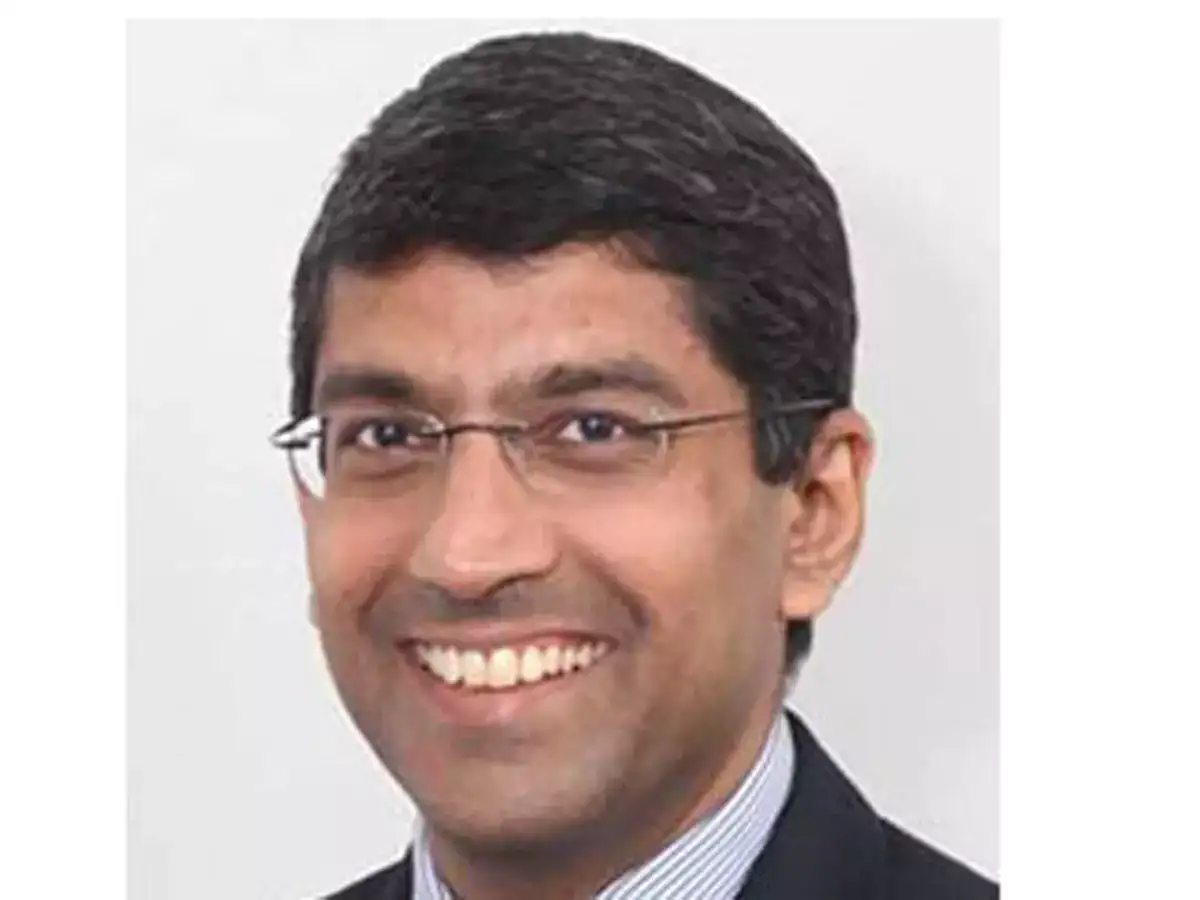
Large-caps attractive post-correction: Axis MF CIO Sivakumar — SkimNews

Get the Finance newsletter
Daily finance — markets, central banks, M&A, the prints that move money. Free.
- R. Sivakumar, chief investment officer at Axis Mutual Fund, said large-caps are trading more than one standard deviation below their long-term averages, making them attractive to enter, though he stressed this does not mean the market is 'absolutely cheap.'
- Banks are emerging as one of the clearest examples of laggards turning, with system credit growth rising from around 10% a year ago to 16-18%, clean asset quality, and margins that just need the rate hikes the Reserve Bank of India is signalling.
- Manufacturing, especially export-oriented mid- and small-cap companies, looks positive: India accounts for less than 2% of global manufactured-goods exports, and new FTAs with the European Union and UK bring tariff parity with Vietnam and Bangladesh, aided by rupee depreciation.
- Private-sector capital expenditure has revived — Sivakumar argued headline aggregate capex looks weaker only because infrastructure spending has slowed, and stripping that out reveals improved private capex.
- Mid- and small-caps are compounding earnings at 15%-plus versus Nifty-level growth of around 8%, but trade roughly one standard deviation above long-term averages, so the multiple is reasonable only 'if the growth is real' — creating valuation risk stock by stock.
- Sivakumar advised investors sitting solely in small-caps to diversify into multi-cap or flexi-cap funds for exposure across the spectrum, then stay the course.
Why it matters: For an allocator weighing where to add after the correction, the asymmetric setup is banks: credit growth has roughly doubled from 10% to 16-18% with clean asset quality, and any RBI rate hikes flow straight to margins — a cleaner catalyst than betting on small-cap multiples at one standard deviation above their own averages.
Ask SkimNews