A $110 million question: How safe are crypto wallets, and what’s the best way to store Bitcoin? — SkimNews

Get the Finance newsletter
Daily finance — markets, central banks, M&A, the prints that move money. Free.
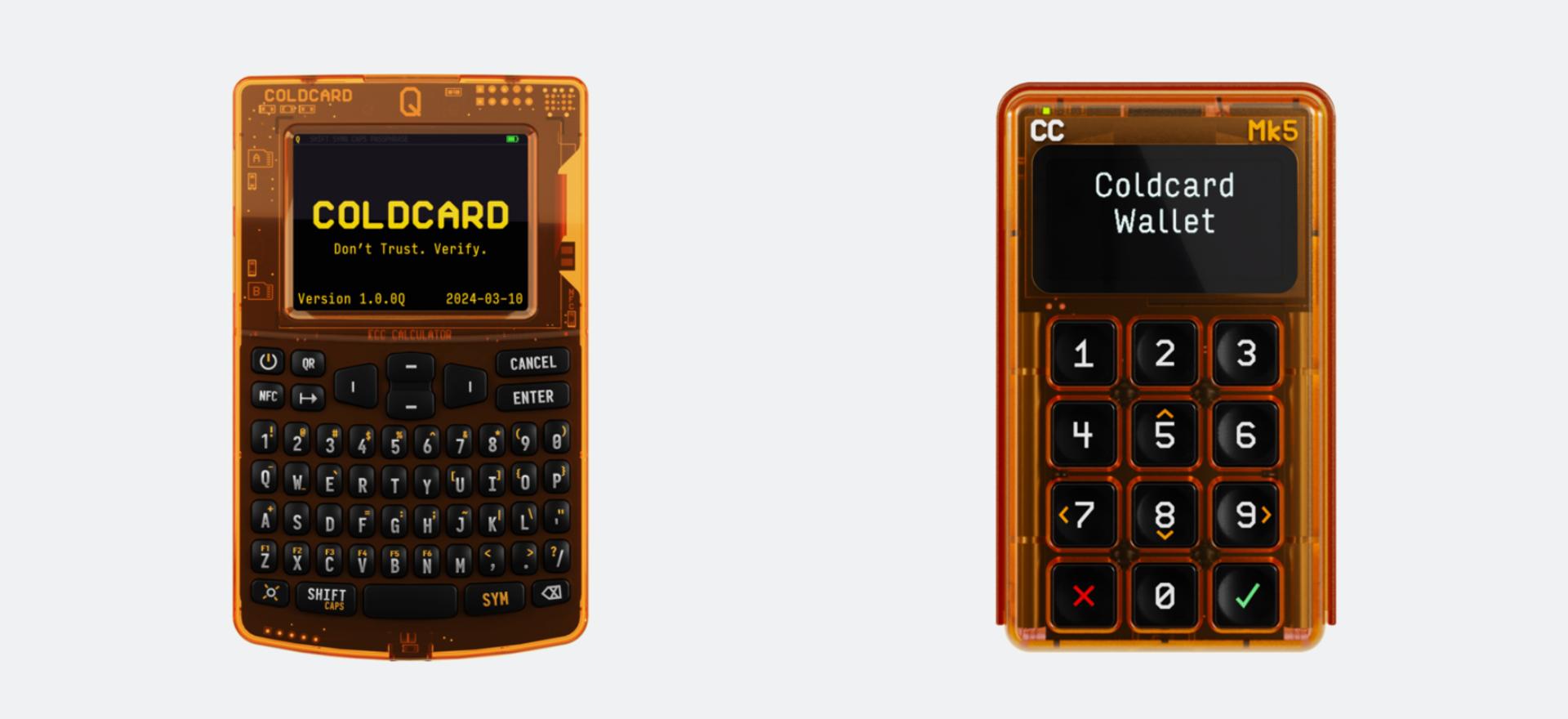
- Coinkite's Coldcard hardware wallets lost over 1,755 Bitcoin (~$110 million) on July 29 when attackers exploited a software flaw, despite the devices being marketed as extremely secure
- Victim Jonathan Goodman watched his three wallets get drained in seven minutes (9:36–9:43 PM on July 29), losing $1.6 million, and told Bloomberg, "The moment it loaded I knew I was screwed because I saw red lines for withdrawals."
- Zakhil Suresh, CEO of BitSave, said the affected investors "did nothing wrong" and argued ordinary users shouldn't have to become security experts just to hold Bitcoin
- The article lays out three storage options: leaving Bitcoin on a crypto exchange (convenient but exposed if the platform fails), self-custody via hardware wallet (direct control but full personal responsibility), or an institutional custodian like US spot Bitcoin ETFs and BitSave
- BitSave holds 100% of client assets in insured institutional custody with keys geographically split, framing the model as eliminating the single point of failure that hit Coldcard users
- The piece concludes no storage method is completely risk-free: self-custody offers greater control but demands greater responsibility, while institutional custody requires trusting a third party
Why it matters: For investors who chose hardware wallets specifically to avoid exchange-counterparty risk, the Coldcard incident shows self-custody introduces its own failure mode: a vendor software flaw drained roughly $110 million from users who, per BitSave's CEO, did nothing wrong. The trade-off the article surfaces is between direct key control and insured institutional custody with geographically split keys.
Ask SkimNews