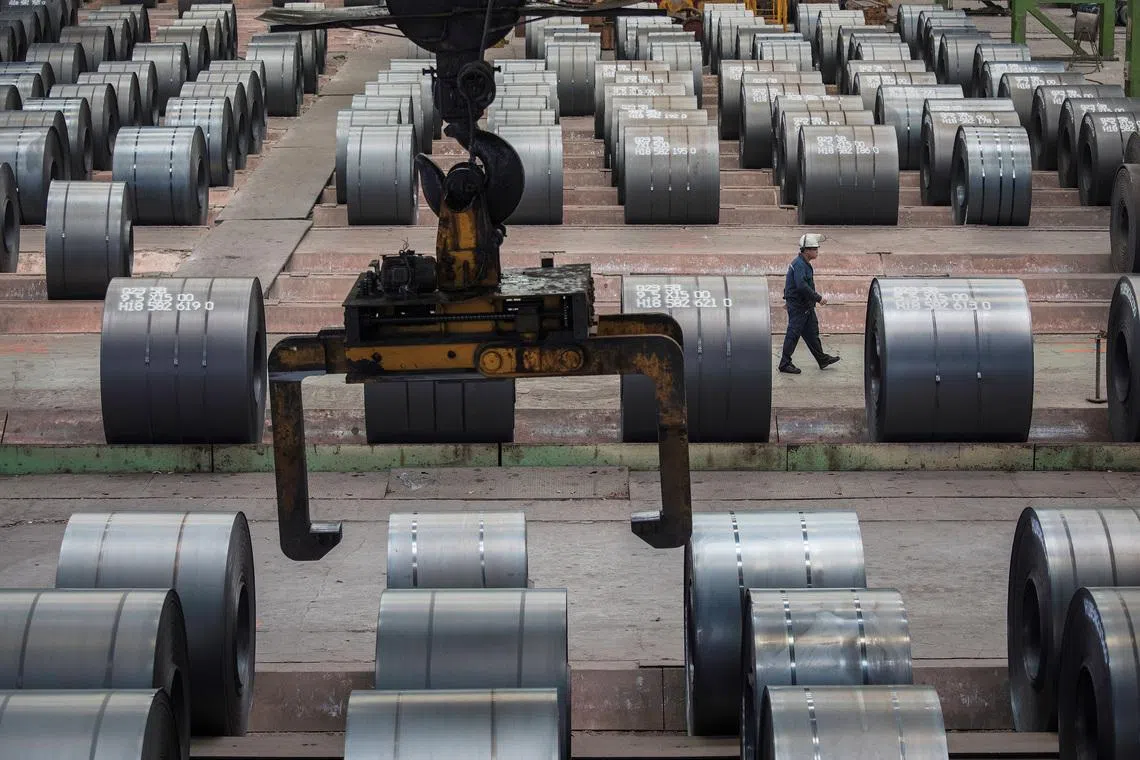
Thai steelmakers call for stricter manufacturing rules
Get the Geopolitics newsletter
Daily geopolitics — wars, elections, sanctions, the diplomatic moves that move markets. Free.
- Standards Steel Long Trade Association member Prawit Chaowamongkhon says induction furnace (IF) steel lacks chemical refining mechanisms to remove impurities like phosphorus and boron, producing substandard products that pose building safety risks.
- Industry Minister Surapong Tiewcharoen announced the government is conducting a feasibility study on banning IF technology by 2028.
- Roughly 11 IF steel operators in Thailand—many Thai-Chinese joint ventures or Thai-owned firms leasing to Chinese investors—warn a ban would severely disrupt their operations.
- EAF and LF operators, predominantly Thai-owned or foreign firms legally established under Thai law and several listed on the Stock Exchange of Thailand, back the shift toward their technology for its efficiency, environmental benefits, and structural safety gains.
- Tata Steel (Thailand) PLC president Anurag Yadav, whose parent is India's largest steelmaker, echoed the call for stricter IF regulations and ensuring imported steel meets the same standards as domestic products.
- The proposed ban reflects growing concerns about high-purity IF steel in Thailand's construction sector and aims to align domestic production with global EAF/LF standards.
Why it matters: About 11 IF steel operators, mostly Thai-Chinese joint ventures or Thai-owned firms leasing to Chinese investors, face severe disruption under a proposed 2028 ban. EAF/LF operators—predominantly Thai-owned and several listed on the Stock Exchange of Thailand—would absorb that capacity, while importers would face the same quality rules as domestic producers.
Ask SkimNews