EU to limit Chinese hybrid vehicle imports to 350,000 a year — SkimNews

Get the Energy newsletter
Daily energy & climate — solar, EVs, oil, the policy fights and tech bets shaping the transition. Free.
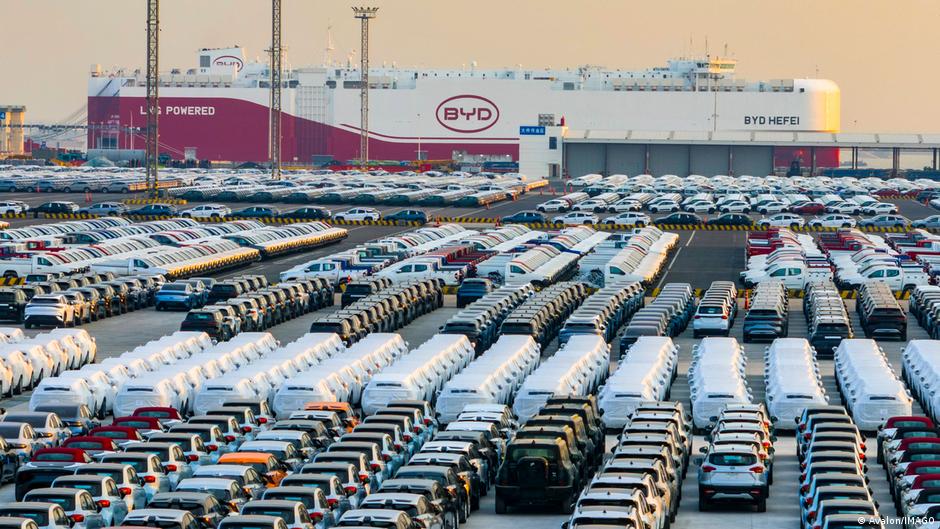
- European Commission confirmed a 350,000 annual cap on Chinese hybrid electric vehicle imports, set to take effect in December under WTO safeguard measures.
- About 800,000 Chinese battery and plug-in hybrids are projected to sell in the EU this year, with the quota expected to halve China's current 6% market share over the four-year agreement.
- China's hybrid exports to the EU tripled to €6.7bn (£5.7bn) in the first half of 2025, up from €2.2bn a year earlier, according to Chinese customs data.
- Vehicles imported above the quota face no tariffs but will be blocked at European customs docks; Chinese-brand cars assembled inside the EU — in Hungary or future Spain — are exempt from the cap.
- As part of the same deal, China agreed to drop some auto-parts tariffs and cut duties by half on EU footwear, olive oil, and ice-cream.
- EU officials described a "paradigm shift" from boosting exports to curbing imports, citing a £1bn-a-day trade deficit with China and deindustrialisation pressure in industrial heartlands.
- Andrew Small, director of the Asia programme at the European Council for Foreign Relations, warned China would likely "suck the EU into drawn-out negotiations" on other sectors like chemicals, renewable energy, and furniture.
Why it matters: EU car importers sourcing Chinese-built hybrids face a hard ceiling that effectively halves Beijing's foothold in Europe's hybrid market, with over-quota vehicles stranded at docks rather than penalized with tariffs. The exemption for cars assembled inside the EU — Hungary today, Spain soon — redirects pressure onto Chinese-made exports specifically, rewarding automakers who localized production while the broader €6.7bn surge in Chinese hybrid shipments triggered this defensive shift.
Ask SkimNews