RIKEN Triggers Drug Production Inside Cancer Cells — SkimNews
Get the Health newsletter
Daily health & science — research, biotech, public health, the studies worth knowing. Free.
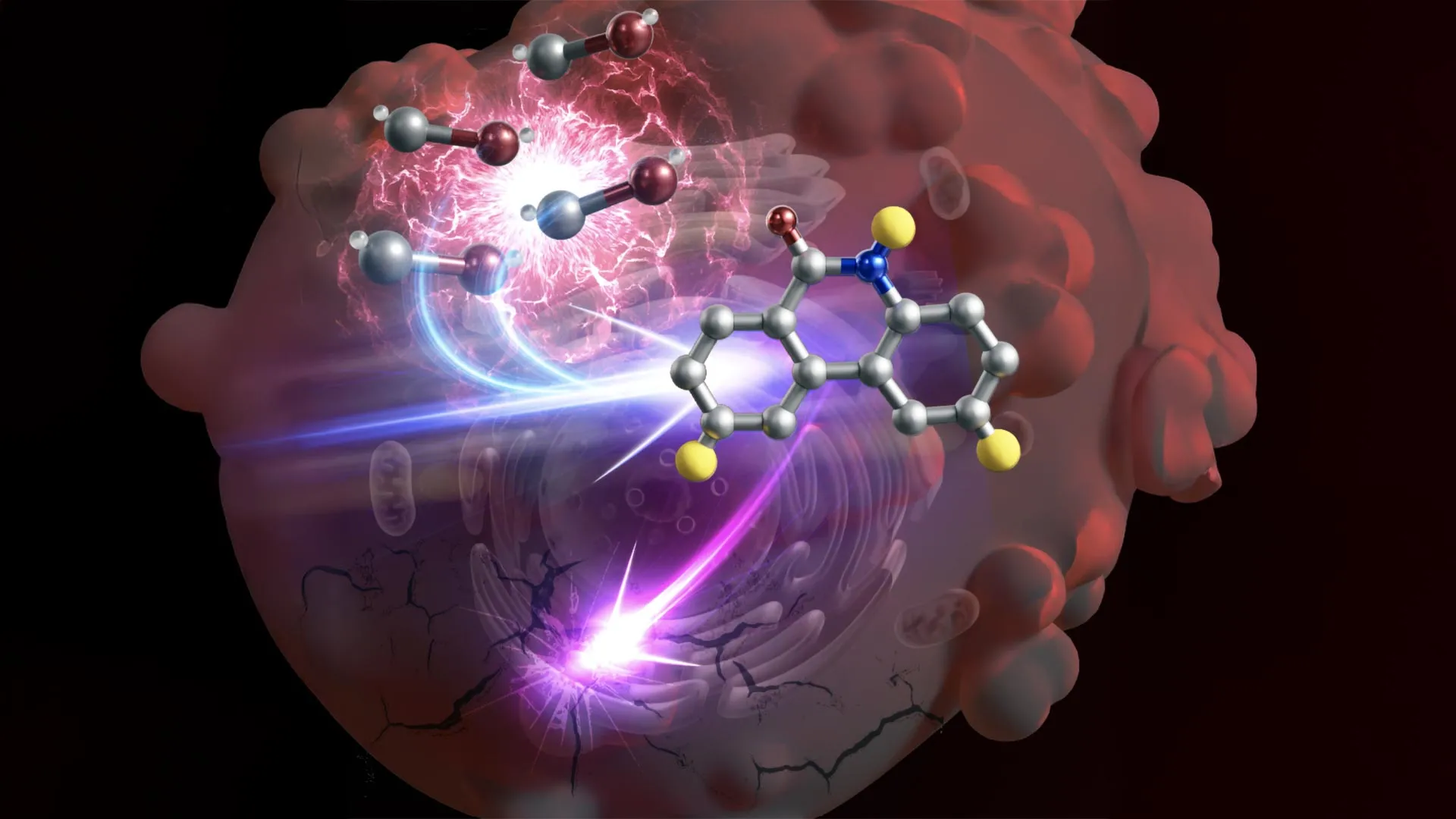
- Katsunori Tanaka led the RIKEN team that enclosed a palladacycle in albumin, shielding its palladium catalyst from glutathione while cancer-cell carbon monoxide drove production of phenanthridinone.
- RIKEN detected phenanthridinone after 48 hours in cultured human liver, cervical, breast and lung cancer cells, but detected none in a noncancerous cell line.
- RIKEN refined the carrier system so newly formed phenanthridinone separated from it and moved freely through the cell; further modifications generated a particularly toxic derivative already used in anticancer drugs inside cultured liver cancer cells.
- RIKEN observed signs of drug-induced damage in those cultured liver cancer cells after the modified system produced the anticancer compound inside them.
- RIKEN found no toxic-drug formation in blood, a result the team linked to carbon monoxide being largely bound to hemoglobin and apparently unavailable for the reaction.
- Nature Communications published “Harnessing endogenous carbon monoxide for cancer-selective drug synthesis” in 2026, volume 17; Tanaka called it “an important advance in therapeutic in vivo synthetic chemistry.”
- RIKEN researchers plan to move the strategy beyond cultured cells into animal models, following laboratory-stage findings that have not yet been tested in animals.
Why it matters: For cancer patients, the material distinction is selectivity: after 48 hours, RIKEN’s system produced phenanthridinone in four cultured cancer cell lines but not in the normal cell line. The result directly addresses chemotherapy’s healthy-tissue toxicity, although the next stage is animal testing rather than patient use.
Ask SkimNews