UK and Europe see most dramatic solar eclipse in 30 years — SkimNews
Get the Energy newsletter
Daily energy & climate — solar, EVs, oil, the policy fights and tech bets shaping the transition. Free.
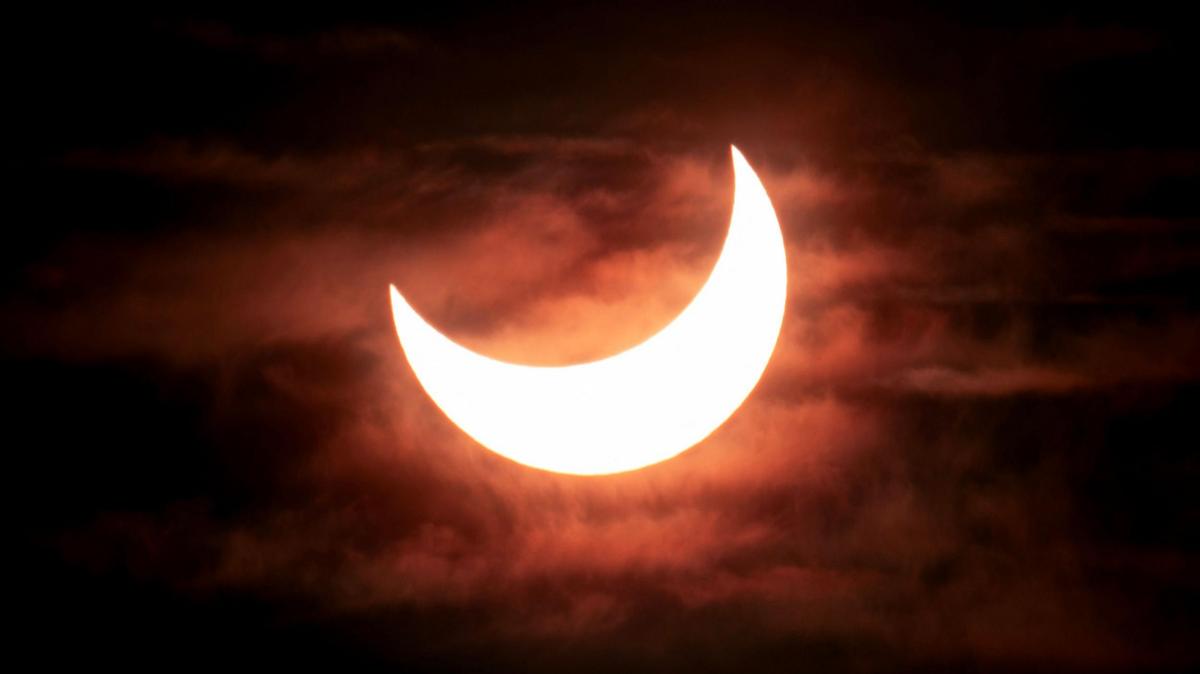
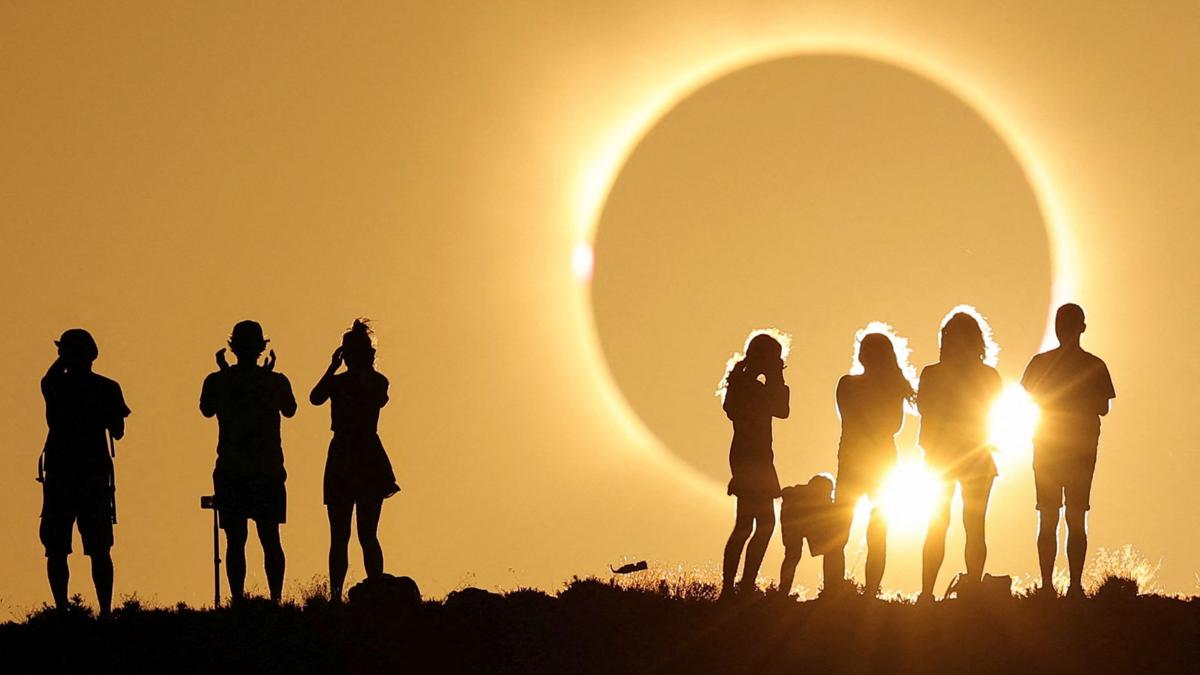
- UK viewers saw a partial eclipse peaking shortly after 19:00 BST with over 90% of the Sun obscured by the Moon — rising to 95% in Cornwall — making it the country's most dramatic eclipse since 1999.
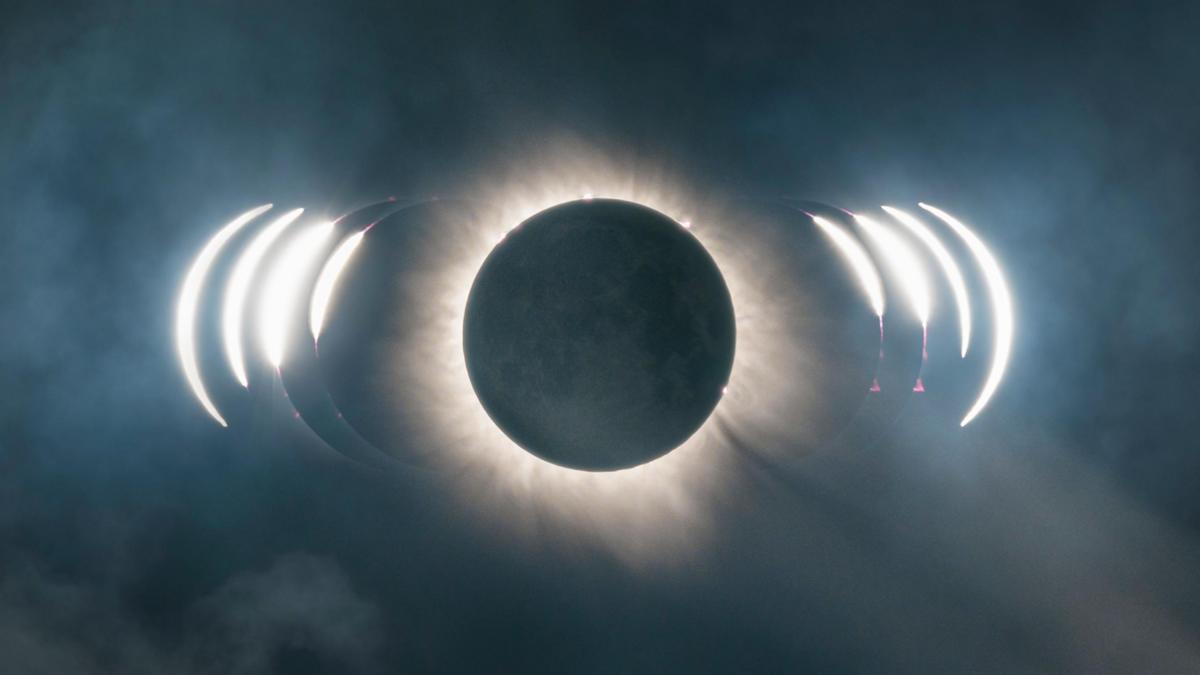
- Greenland, Iceland, and Spain experienced a total eclipse, with the path beginning at the northern tip of Siberia, curving around the Arctic Ocean, passing through Iceland and sweeping south to Spain.
- A Coruña in north-west Spain saw totality at roughly 19:30 BST (20:30 local); Chilean scientist Yasmin Catricheo travelled thousands of miles for the event, telling reporters 'the Universe is amazing.'
- Totality lasted less than two minutes, during which the Sun's corona — superheated jets of gas thrown thousands of miles into space — and small pink loops called prominences became visible.
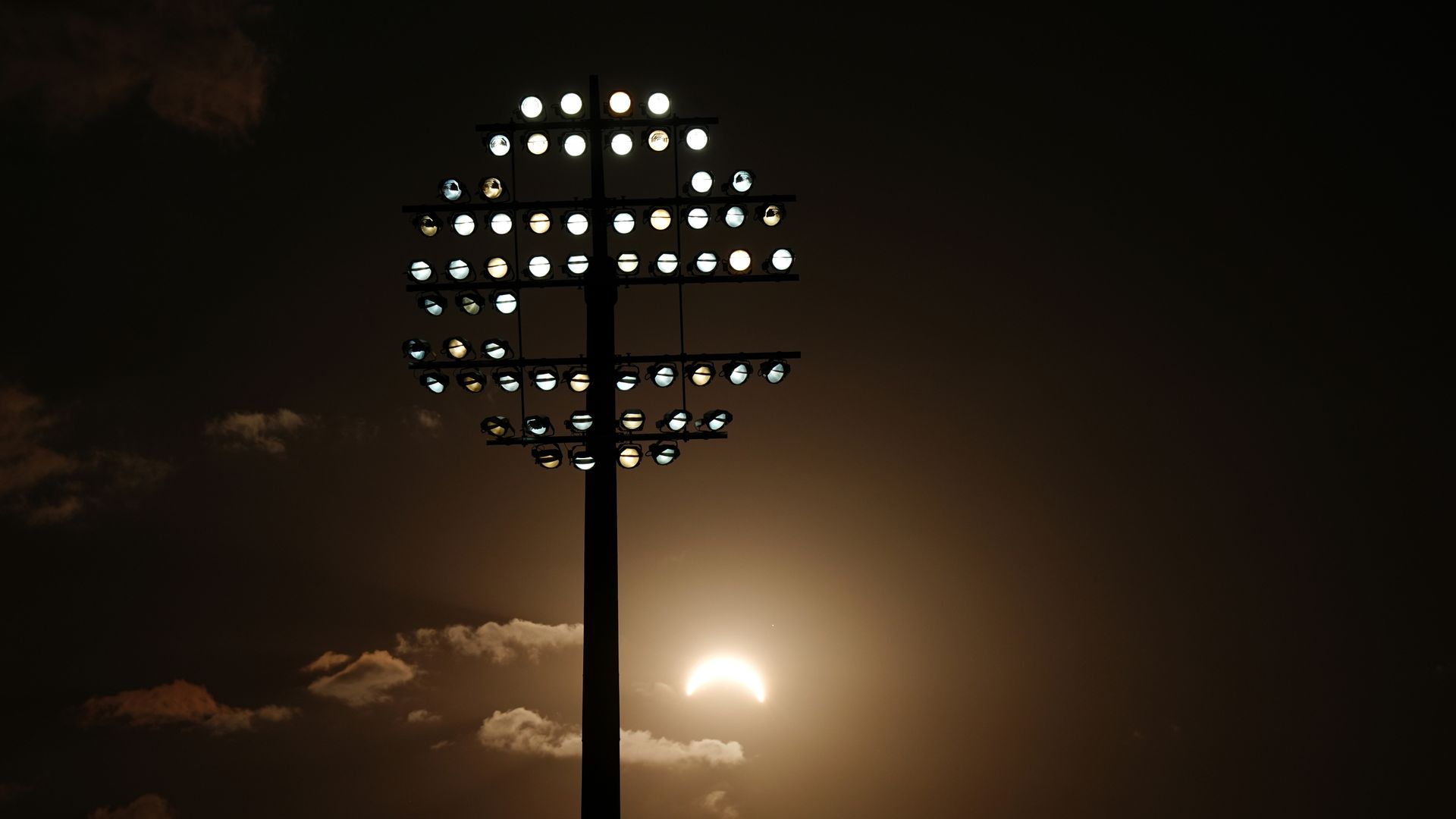
- Central and southern England and Wales enjoyed perfect clear skies for an unrivalled view, while northern England, Scotland and Northern Ireland were cloudier but still drew crowds to famous landmarks.
- Solar eclipse glasses sold out across high-street shops and online retailers, with surplus stock turning up in unexpected places including a central London bakery; viewers improvised with colanders, cereal boxes and paper.
- UK eclipse chasers face a long wait: a partial eclipse of about 45% coverage arrives in 2027, a fuller eclipse of up to 99% is not due until 2081, and the next total solar eclipse visible from the UK falls in 2090.
Why it matters: UK and European observers got a spectacle not seen since 1999, drawing crowds at landmarks and improvised viewing sites despite a nationwide shortage of protective glasses. Spain's totality attracted international travellers, but British eclipse chasers face a 66-year wait for the next total solar eclipse visible from UK skies.
Ask SkimNews