Iran Fires 1,061 Drones and Missiles at Kuwait — SkimNews

SkimNews Take
Kuwait's extensive damage from Iranian strikes, despite not being a direct combatant, highlights the risk of proximity to military infrastructure used by a belligerent during a regional conflict.
Get the Geopolitics newsletter
Daily geopolitics — wars, elections, sanctions, the diplomatic moves that move markets. Free.
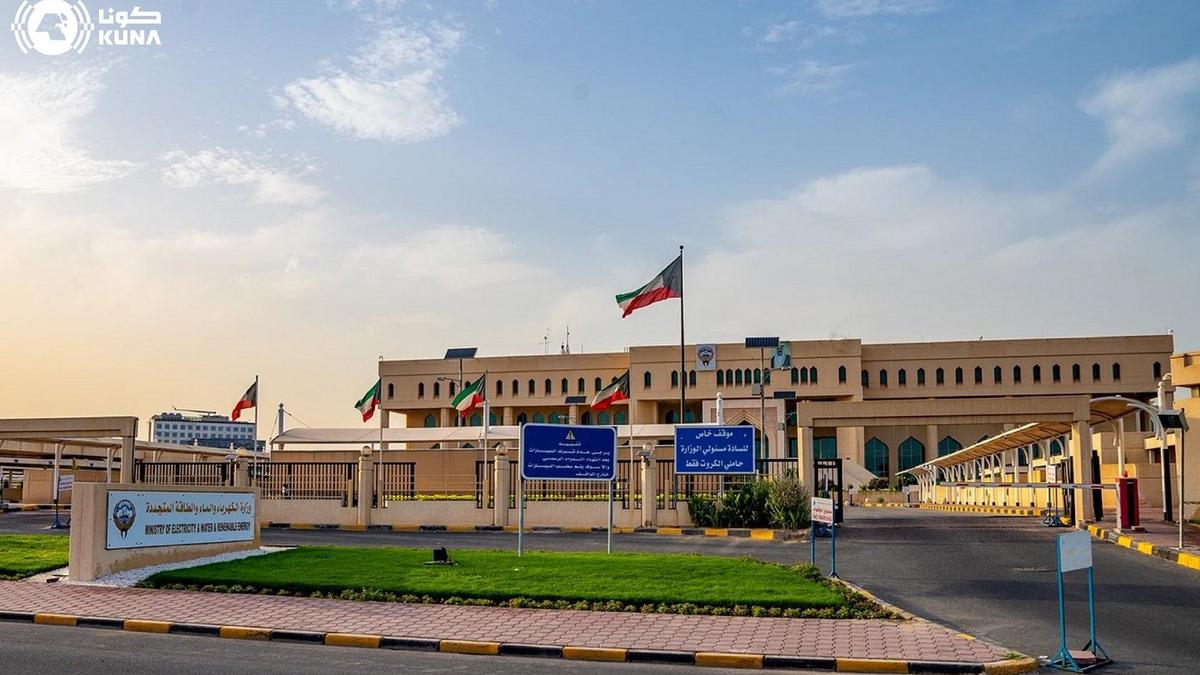
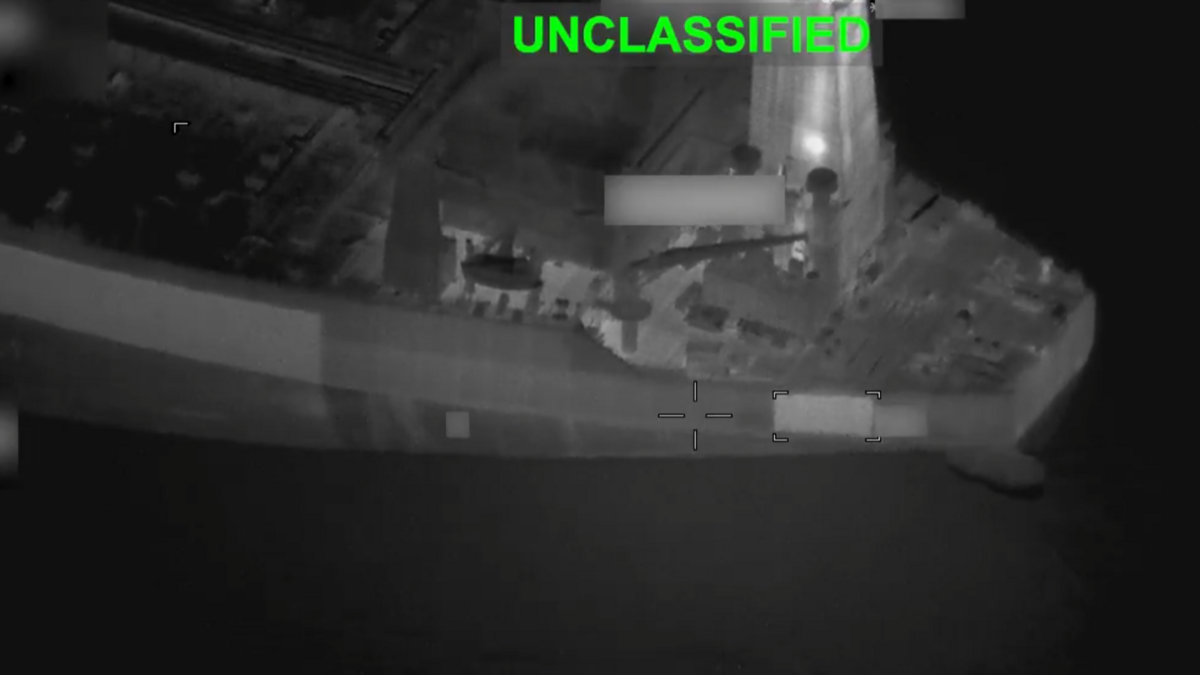
- Iran launched 1,061 drones and missiles at Kuwait by March 23, hitting U.S. military installations, the main airport, energy facilities and a desalination plant.
- Kuwait permitted U.S. forces to use its bases for missile strikes on Iran on March 24 and 31, after weeks of Iranian attacks.
- Hezbollah‑linked conspirators were foiled in Kuwait, with arrests of Kuwaiti citizens and nationals from Iran and Lebanon in March.
- Pakistan mediated a ceasefire that took effect on April 7–8, yet Iranian attacks on Kuwait continued until April 10.
- Temple University professor Sean Yom said Iran justified targeting Kuwait because it hosts U.S. forces, treating the Gulf littoral as a kinetic front line.
- Chatham House analyst Neil Quilliam warned that Kuwait’s reliance on U.S. security guarantees is strained as the U.S. uses Kuwaiti territory to strike Iran, exposing Kuwait to retaliation.
- Trita Parsi of the Quincy Institute calls the situation the beginning of the end of the American security order in the Gulf.
Why it matters: Kuwait bears the brunt of Iran’s retaliation, losing critical infrastructure like a desalination plant and facing heightened sectarian tension, while the United States sees its Gulf bases become exposed liabilities, prompting Kuwait to harden air defenses and reconsider its security reliance.
Ask SkimNews