US, Japan join Philippines in South China Sea drills — SkimNews
Get the Geopolitics newsletter
Daily geopolitics — wars, elections, sanctions, the diplomatic moves that move markets. Free.
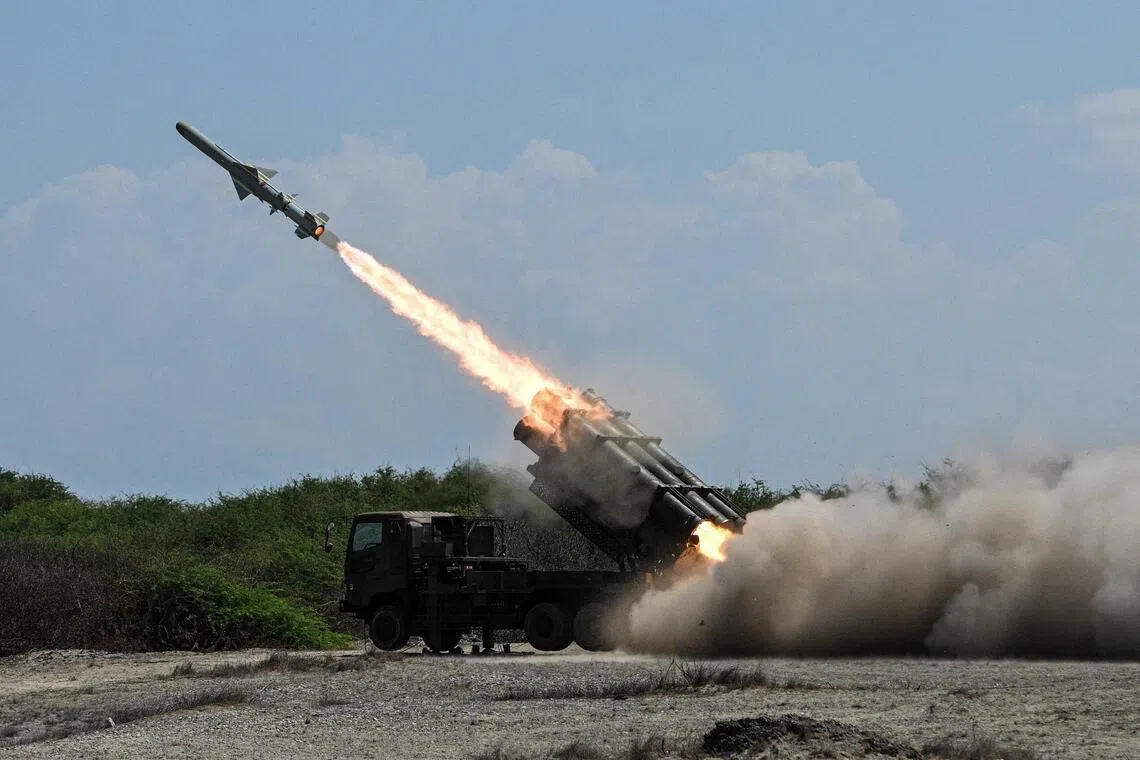
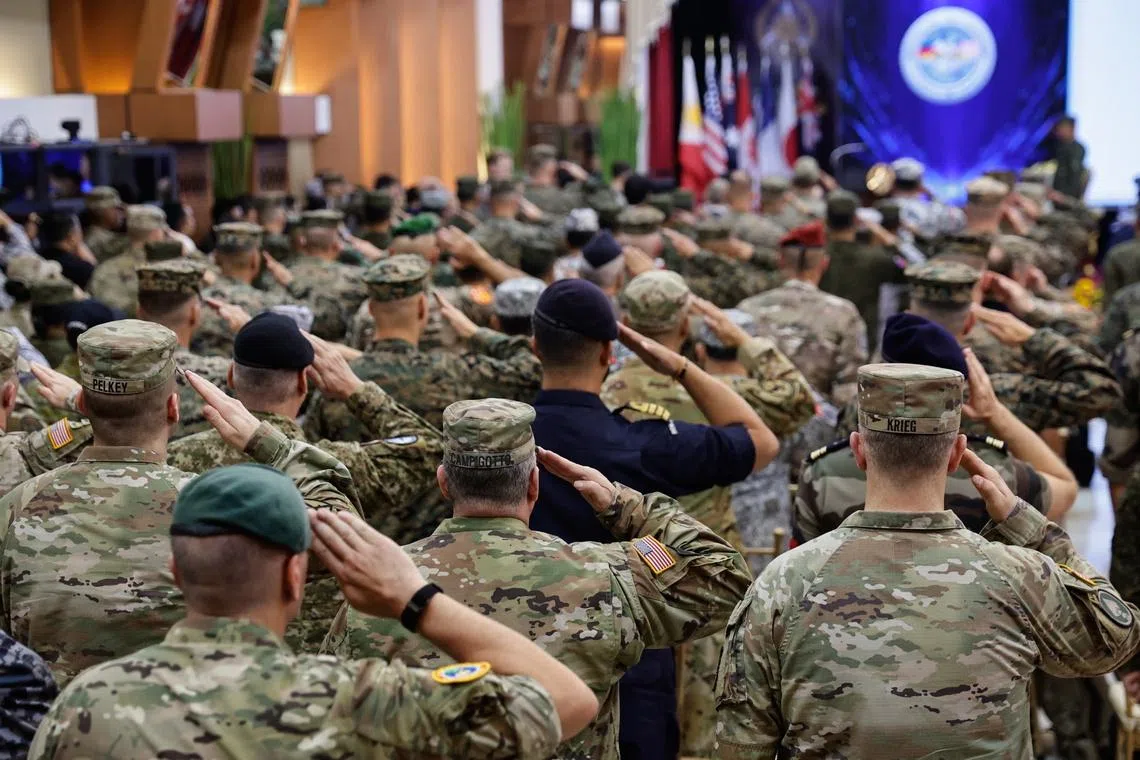
- The Philippines, US, and Japan conducted five-day maritime exercises from July 21 to 25 in the South China Sea, deploying warships, coast guard vessels, surveillance and fighter aircraft to improve interoperability among the allies, the Philippine military said on July 26.
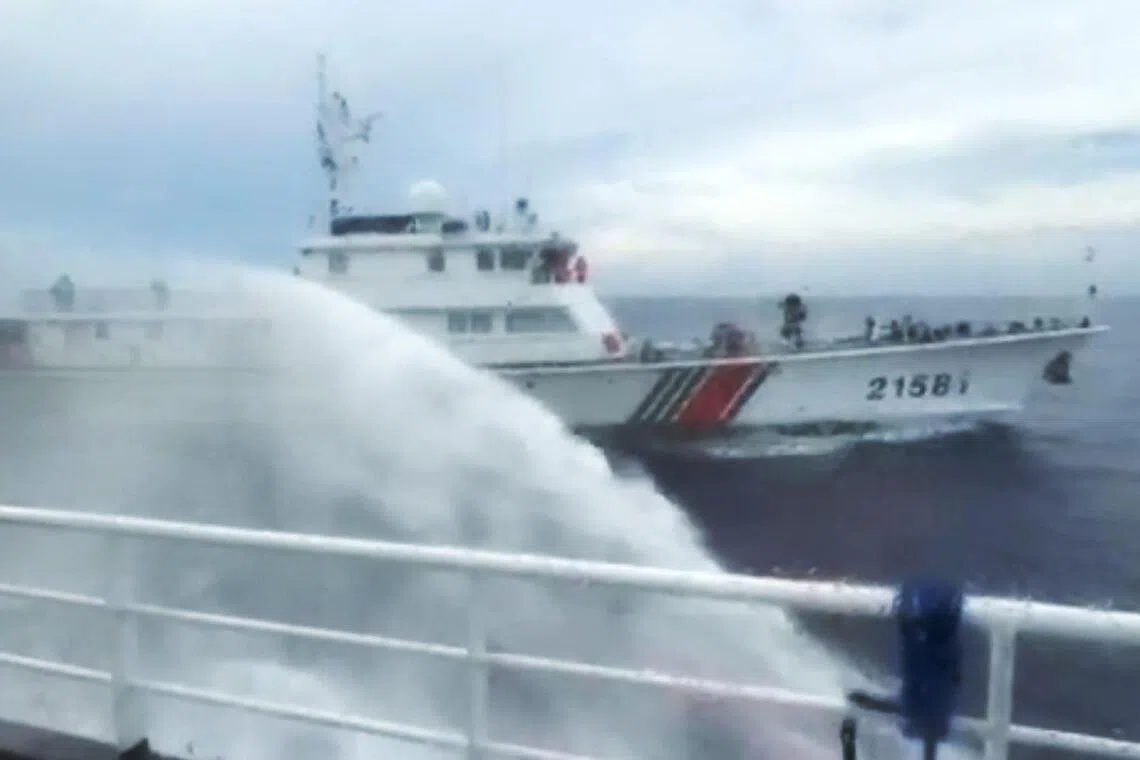
- The Philippine Coast Guard said Chinese counterparts fired water cannons at Philippine government vessels near Scarborough Shoal on both July 23 and 24; China said it took legal measures after Philippine vessels "insisted on intruding."
- The exercises began a day after the Philippines accused Chinese Coast Guard personnel of striking a Filipino sailor with a baton at Second Thomas Shoal; China countered that Philippine vessels attacked first and rammed Chinese boats.
- Philippine armed forces chief of staff Antonio Nafarrete visited Philippine-occupied Thitu Island in the Spratly Islands on July 25 — about 480 km west of Palawan — telling stationed troops they were vital to guarding the outpost.
- The joint drills are the latest in a series that have expanded in scope and frequency in recent years as the Philippines, backed by the US and Japan, seeks to push back against China's sweeping claims over the South China Sea.
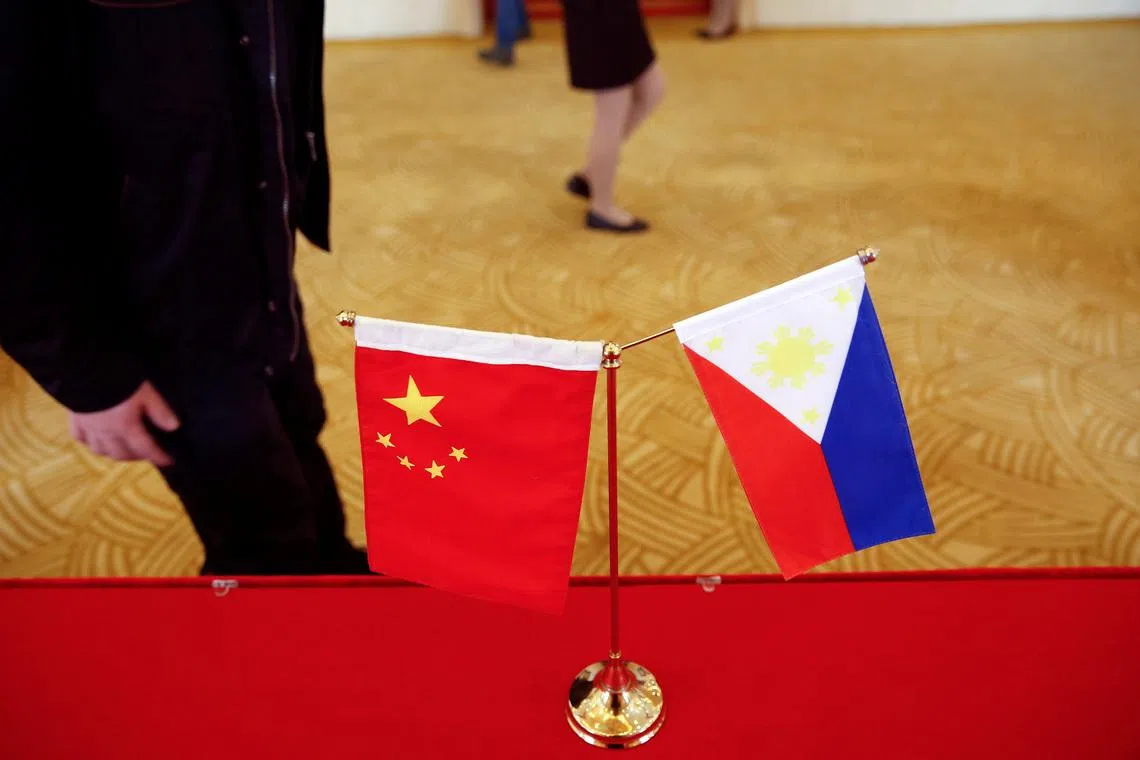
- China claims sovereignty over almost the entire South China Sea and rejects a 2016 arbitral ruling that invalidated its claims, the legal backdrop against which the allied exercises are being staged.
Why it matters: Manila drew two key allies into five-day drills as Chinese coast guard actions escalated at Second Thomas Shoal and Scarborough Shoal, turning routine exercises into a demonstration of collective pushback against Beijing's claims. The new armed forces chief's visit to a Spratly outpost on the final day hardens Manila's physical presence on contested features alongside its allies.
Ask SkimNews