China warns India-Japan ties must not target third party — SkimNews

Get the Geopolitics newsletter
Daily geopolitics — wars, elections, sanctions, the diplomatic moves that move markets. Free.
- China stated that bilateral cooperation should not target any third party or harm other nations' interests, responding to recent India-Japan agreements.
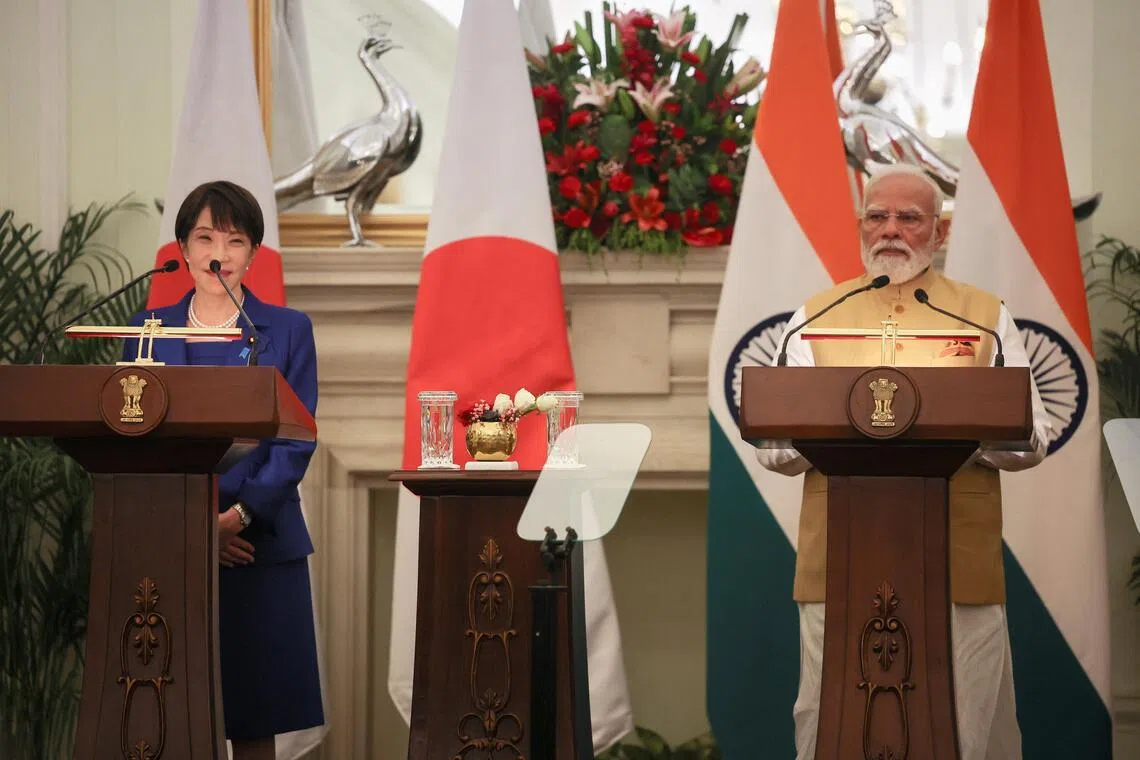
- India and Japan unveiled a defense pact to co-develop military hardware during Prime Minister Sanae Takaichi's visit to Delhi on July 2, 2026.
- India and Japan established an economic partnership framework and steps to strengthen energy ties to counter oil shocks, according to a joint statement.
- China reiterated that global supply chains should remain open and stable, warning against forming 'exclusive small groupings' that stoke confrontation.
- India and Japan expressed 'serious concern' over the situation in the East and South China Seas, opposing unilateral actions and force-based status quo changes.
- China tightened rare earth exports to Japan, the U.S., and India, leveraging its control over 70% of global mining and nearly 90% of processing capacity.
Why it matters: China’s rare earth dominance gives it material leverage over Japan and India’s defense and tech sectors, which rely on these minerals. By framing their cooperation as confrontational, Beijing risks accelerating efforts by both countries to diversify supply chains and deepen military coordination — a shift with tangible industrial and strategic costs.
Ask SkimNews