Meg O'Neill Leads BP as Iran War Adds £5bn Profit — SkimNews
SkimNews Take
Windfall profits from conflict give a new CEO both the capital and the convenient excuse to defer structural decisions, turning a strategic mandate into a test of whether temporary cash flow will be deployed for genuine reform or simply buy time.
Get the Energy newsletter
Daily energy & climate — solar, EVs, oil, the policy fights and tech bets shaping the transition. Free.
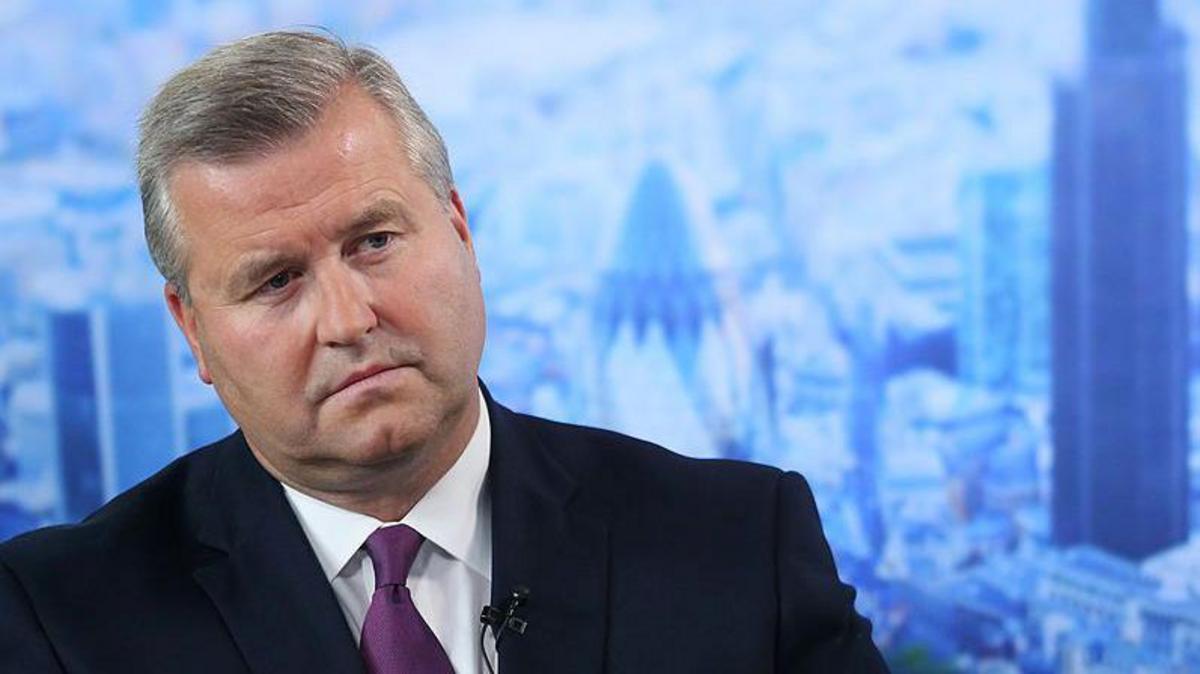
- Meg O'Neill became BP’s first female chief executive, arriving from Woodside Petroleum with a reputation for rapid, hard‑nosed decision‑making.
- BP and Shell are forecast to earn a combined £5 billion this year from the Iran conflict, provided the war remains limited in duration.
- BP targets net‑debt reduction to $14 billion‑$18 billion by end‑2027, a goal that could be met a year early thanks to asset sales.
- BP’s shares have risen nearly 50 % since O’Neill’s appointment was announced, driven by the windfall expectations from the Iran war.
- Albert Manifold, BP’s chairman, has urged radical change to make the company “simpler, stronger and more valuable.”
- Murray Auchincloss, O’Neill’s predecessor, resisted shifting BP back toward a smaller, focused oil‑and‑gas exploration model.
- Meg O’Neill told staff that BP operates amid “geopolitical tension, conflict, rapid technological change and shifting global energy demand,” and she aims to accelerate performance, innovation, sustainability and growth.
Why it matters: Shareholders stand to benefit from the £5bn windfall and a potential early net‑debt reduction, while the company must prove O’Neill’s strategy can deliver sustainable growth beyond the temporary war‑driven boost; investors are watching for evidence that the near‑50% share rally reflects lasting value.
Ask SkimNews