DOT finalizes rule raising gas prices 76 cents per gallon — SkimNews
Get the Energy newsletter
Daily energy & climate — solar, EVs, oil, the policy fights and tech bets shaping the transition. Free.
- Department of Transportation finalized fuel economy standards Monday lowering the 2031 fleet average target from 50.4 mpg to 34.9 mpg, with NHTSA estimating the change will raise total fuel costs by $185 billion and carbon emissions by 5%.
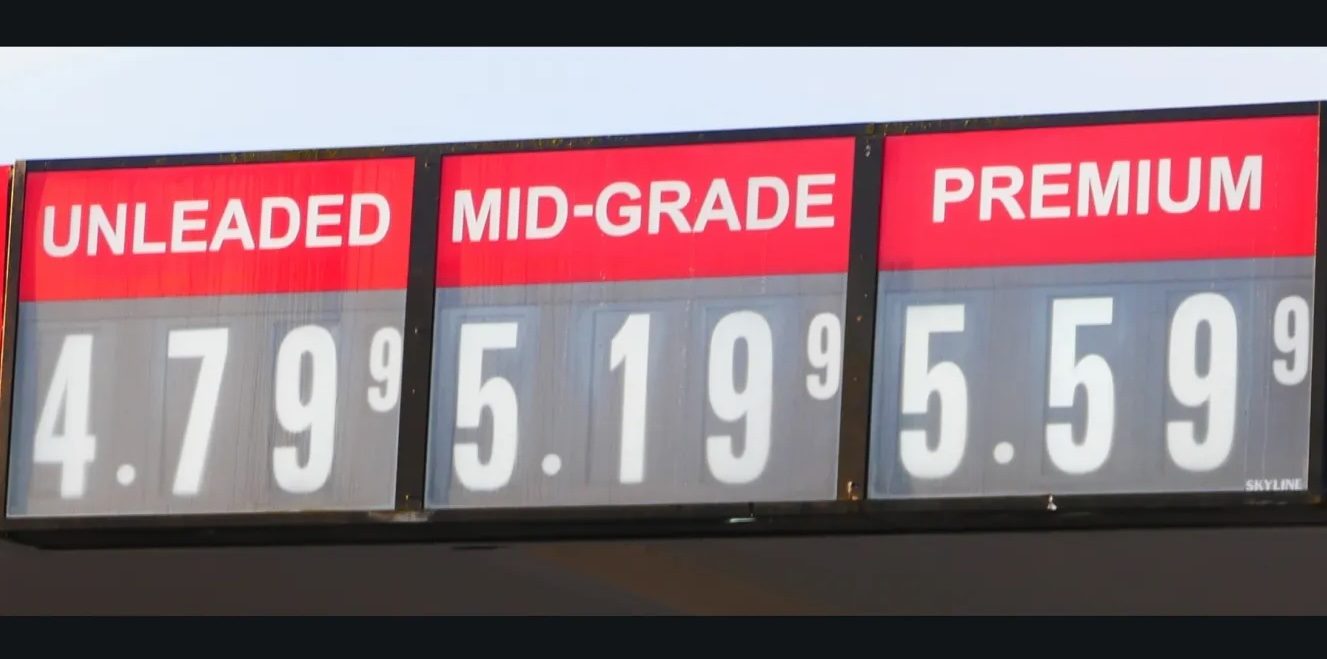
- A Department of Energy analysis, signed off on by Energy Secretary Chris Wright, projects gas prices will increase 76 cents per gallon and fuel use will rise approximately 44% as lower-efficiency vehicles consume more gasoline per mile.
- Of the 68,294 public comments submitted on the proposed rule, the vast majority opposed the plan to raise fuel and health costs, yet Transportation Secretary Sean Duffy moved forward with finalization.
- Congress previously zeroed out CAFE enforcement fines as part of a $4 trillion legislative package, but the DOT rule goes further by lowering efficiency targets themselves — part of broader rollbacks at Transportation, Energy, Interior, and EPA that courts have struck down in several cases.
- The rollback undercuts American EV manufacturing investments launched under Biden and since cancelled under Trump, including a raid on an EV plant under construction, while Chinese automakers' export numbers continue to skyrocket.
- Duffy has separately eliminated federal bike lane and road safety guidance, with the article noting pedestrian and cyclist fatality rates could rise 19-54% if state and regional governments adopt the new guidelines.
- The rule takes effect as US oil prices hit all-time highs amid a prolonged war of choice that the article says has spiked global energy costs.
Why it matters: American drivers face a 76-cent-per-gallon gas price increase plus 44% more fuel consumption, shifting costs onto consumers at a time of record-high oil prices. US automakers will tilt production toward higher-margin gas guzzlers, ceding more ground to Chinese EV exporters whose global shipments continue to climb.
Ask SkimNews


