Wildfire Smoke Chokes NYC, Toronto, DC as Trump Threatens Canada — SkimNews
Get the Energy newsletter
Daily energy & climate — solar, EVs, oil, the policy fights and tech bets shaping the transition. Free.
- Canada is battling 955 active wildfires, nearly 200 in Ontario, forcing evacuations and destroying the Namaygoosisagagun First Nation community with little warning.
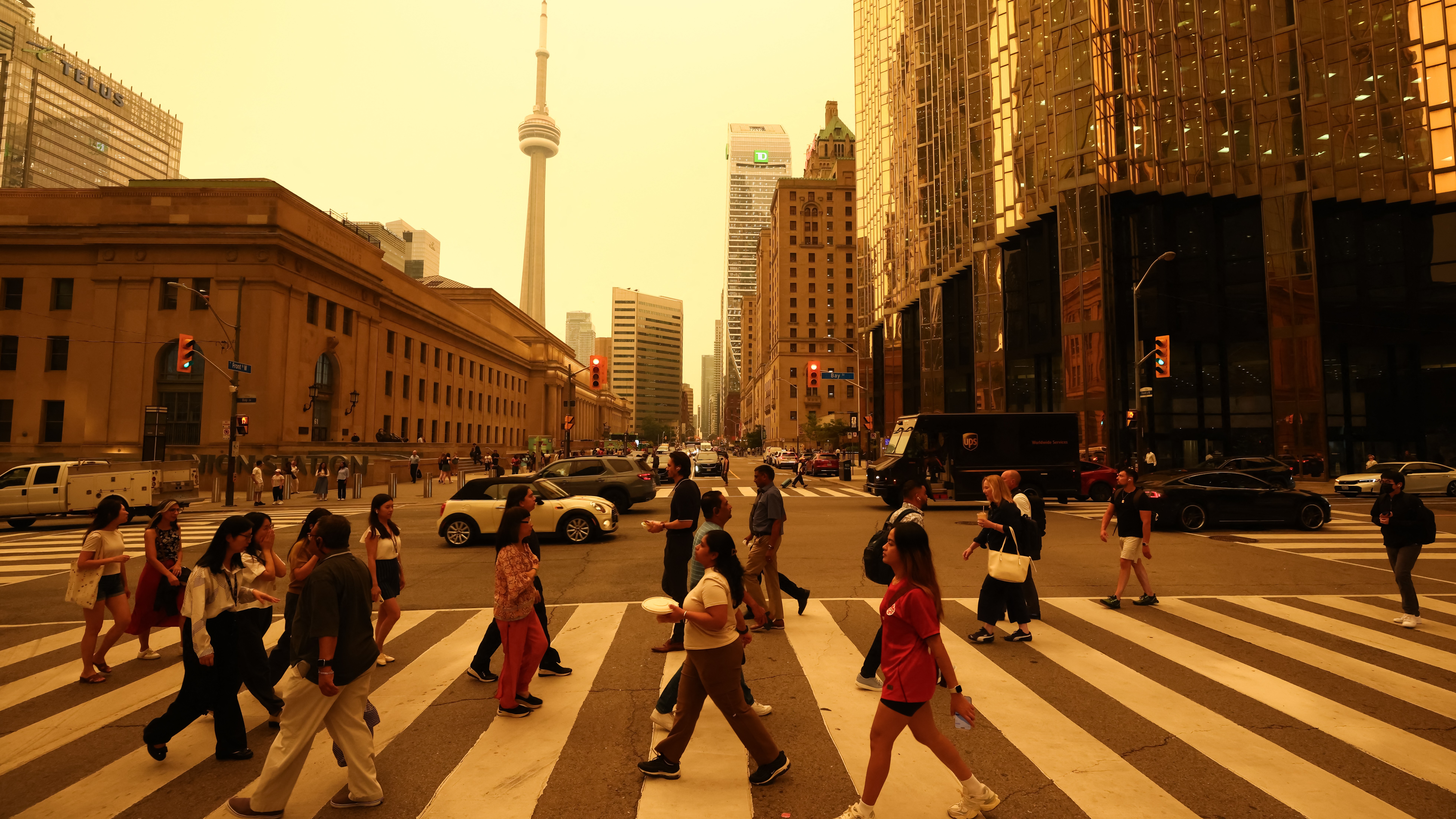
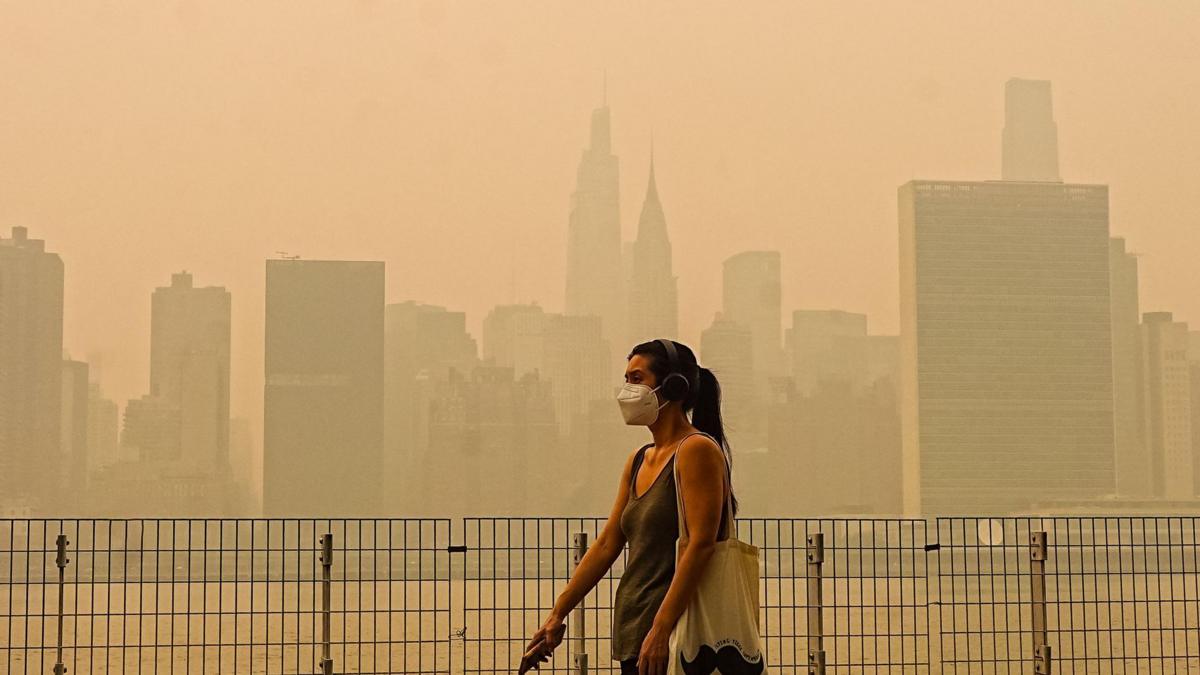
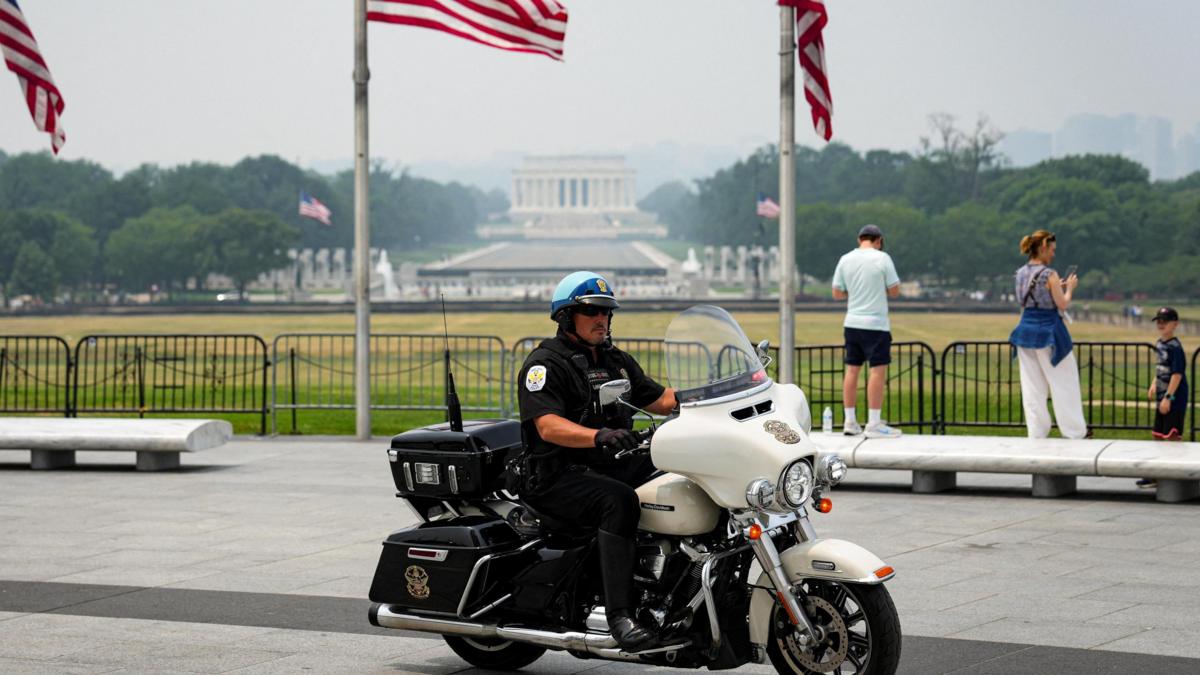
- Toronto, New York, and Washington DC ranked among the world's most polluted cities on Saturday due to wildfire smoke, prompting health warnings to limit outdoor activity and use N95 masks.
- Donald Trump threatened new tariffs on Canada, accusing it of 'willful negligence' in managing forests, claiming U.S. citizens are suffering from 'filthy, polluted, and unhealthy air'.
- Ontario Premier Doug Ford pushed back against U.S. criticism, stating Canada has spent over $1 billion on wildfire mitigation and urged American leaders to send support instead of complaints.
- Experts say blaming Canada for transboundary smoke is misguided, noting weather systems ignore borders and many fires burn in remote areas where containment is extremely difficult.
- Air quality in the New York–New Jersey area is expected to improve by Sunday due to rain and shifting winds, easing concerns about the World Cup final at MetLife Stadium.
Why it matters: The crisis forces immediate public health responses across densely populated urban centers, with vulnerable groups at heightened risk from prolonged smoke exposure, while Trump’s tariff threat risks escalating trade tensions despite scientific consensus that cross-border smoke is uncontrollable through policy alone.
Ask SkimNews