What are rules changes in 2026? Red flags, discipline and kickoffs — SkimNews
Get the Sports newsletter
Daily sports — scores, transfers, the storylines from the leagues you actually follow. Free.
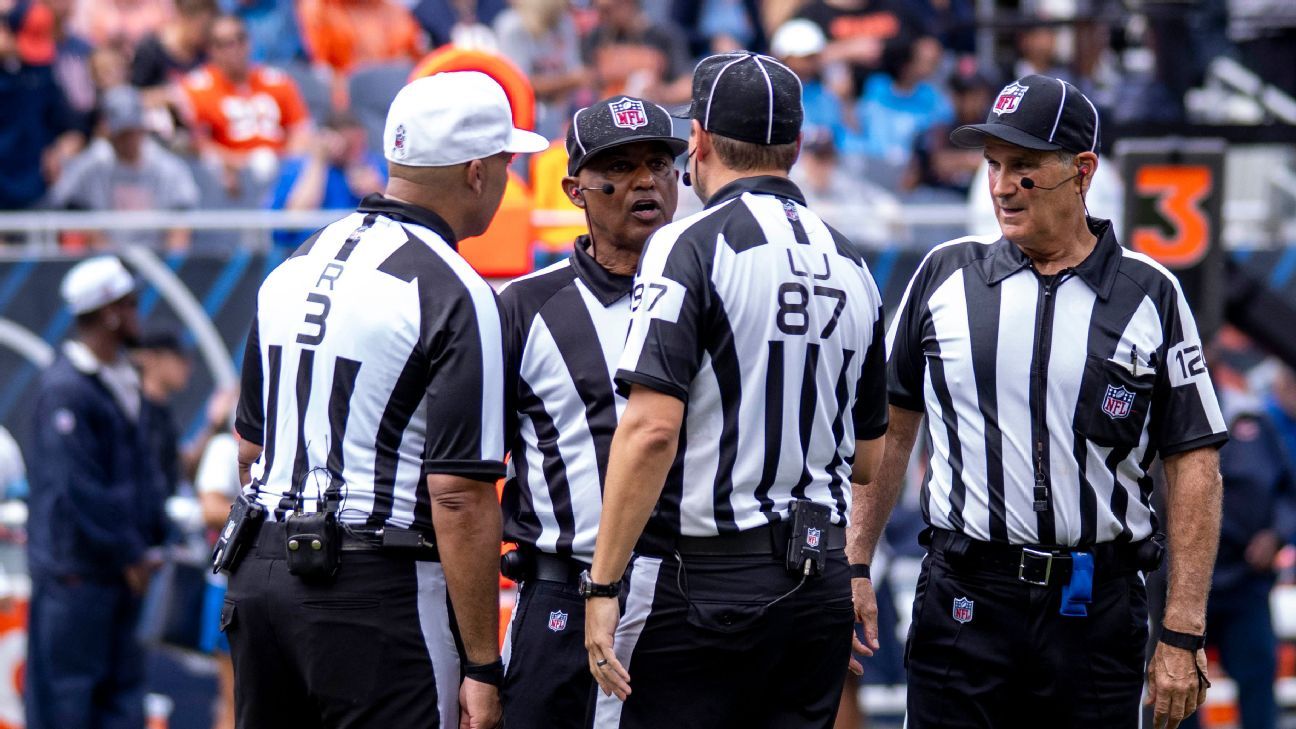
- NFL replay officials in New York gained authority to disqualify players for flagrant football or non-football acts and direct penalty enforcement even when no flag was thrown on the field, a paradigm owners 'backed into' after coaches argued for fairness during the March league meeting.
- The NFL and NFL Players Association agreed that players flagged three times for hip-drop, horse-collar, launching, or blindside block fouls face a one-game suspension, while teams with 'excessive' fouls will be fined.
- The league cut the minimum number of receiving-team players required on the kickoff restraining line from six to five and capped setup-zone players at four, after kickoff concussions rose from 8 to 35 and per-kickoff concussion rate jumped from 0.87% to 1.79%.
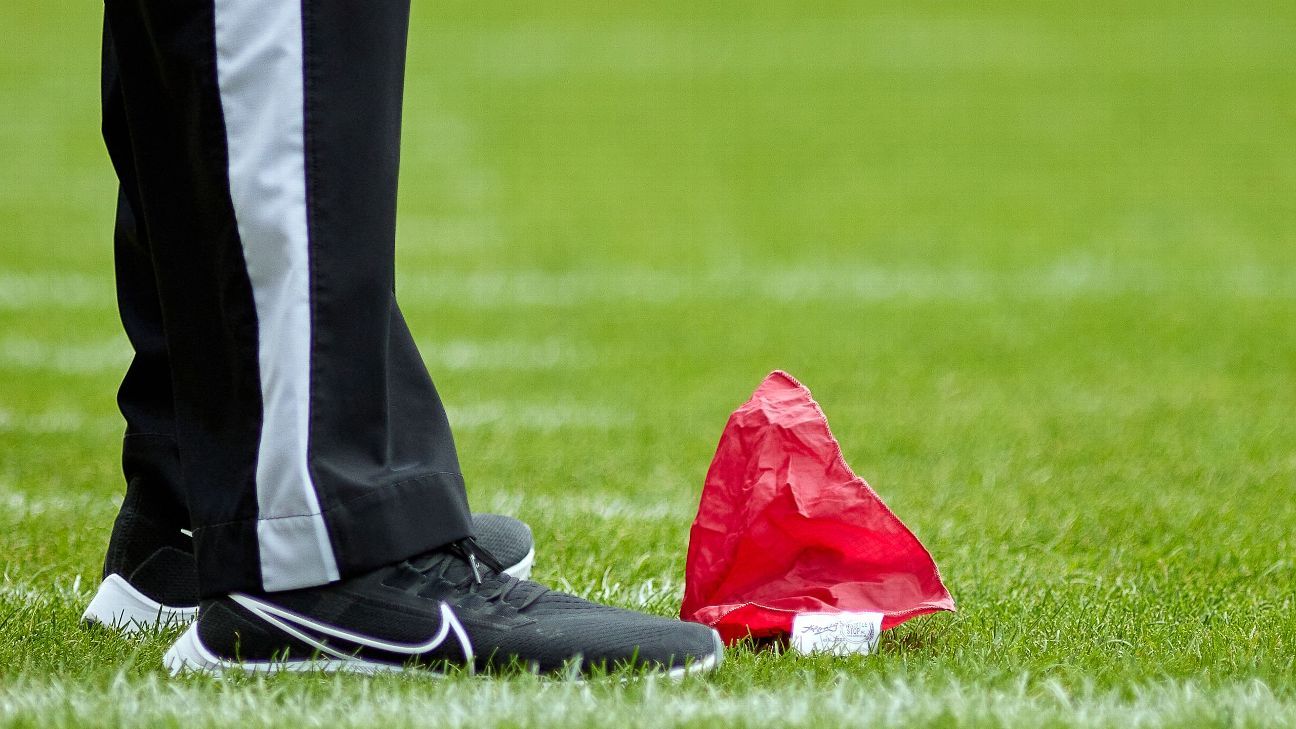
- Head coaches can for the first time designate a sideline staff member to throw the red flag, with the alternate required to be identified during the team's pregame officiating meeting.
- The NFL closed a touchback loophole that let teams intentionally kick out of bounds from midfield and now permits onside kicks to be declared at any point regardless of score or quarter, dropping the trailing requirement entirely.
Why it matters: Players who repeatedly draw hip-drop, horse-collar, launching, or blindside block flags now face real one-game suspensions, ending the era when those fouls were essentially financial slaps on the wrist. Kickoff concussions more than quadrupled season-over-year (8 to 35), forcing immediate alignment tweaks before the Wednesday opener in Seattle. Replay officials in New York becoming de facto ejections officers marks a philosophical shift the NFL acknowledges could expand into other rules in future years.
Ask SkimNews