Russia bombards Kyiv in one of war's biggest strikes, at least 21 people killed — SkimNews
Get the Geopolitics newsletter
Daily geopolitics — wars, elections, sanctions, the diplomatic moves that move markets. Free.
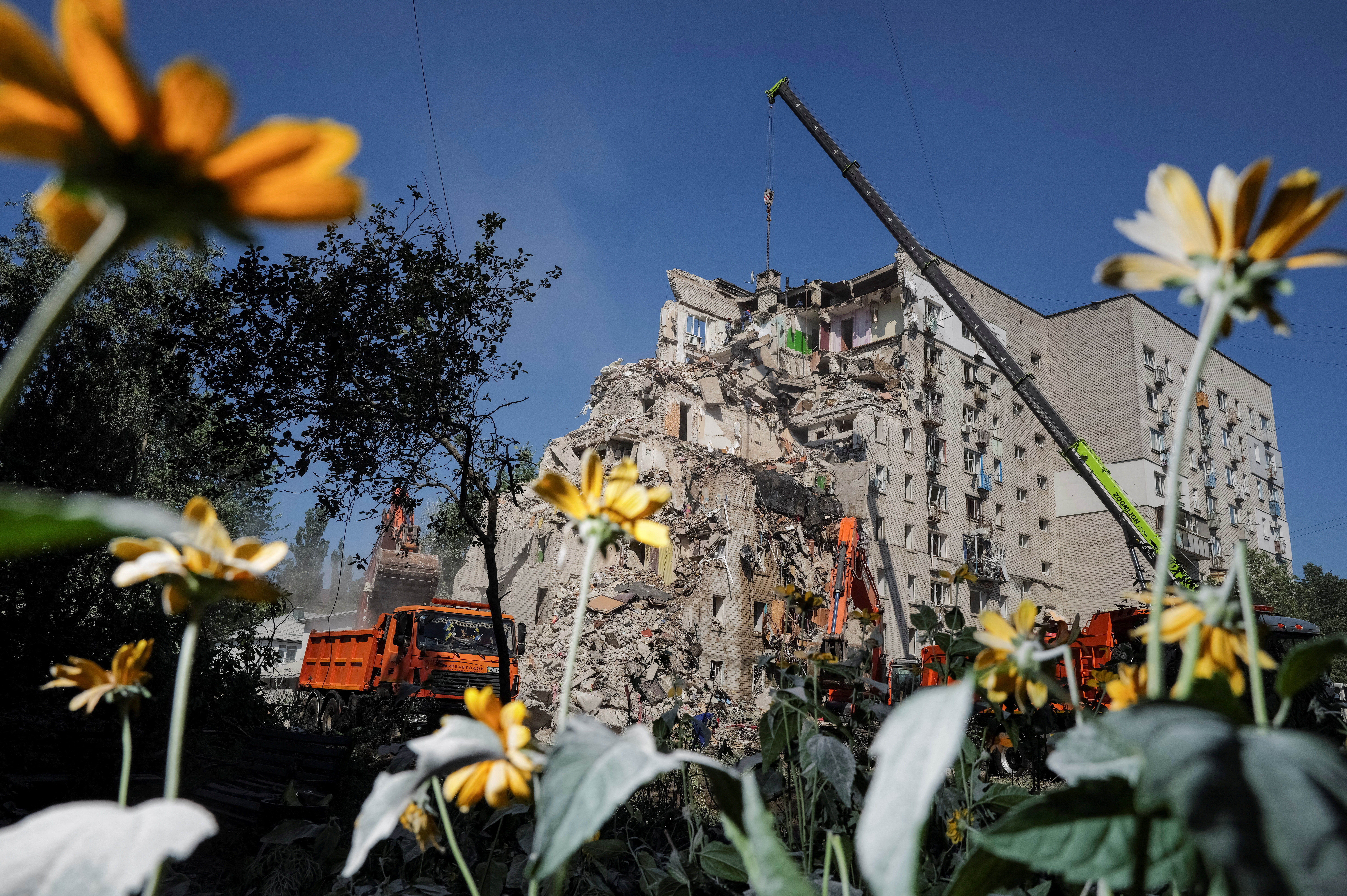
- Russia launched 74 missiles and 496 drones at Kyiv overnight on July 2, killing at least 21 people, wounding more than 90 (including children and ambulance station personnel), and damaging around 130 buildings across the capital of 3 million
- Zelenskyy cut short his visit to Ireland to survey a half-destroyed nine-storey residential building, publicly blaming allies for failing to deliver promised air defenses and noting Ukraine's acute shortages of Patriot missiles; Air Force spokesperson Yuri Ihnat said the interception rate for ballistic missiles was 'unusually low'
- Moscow claimed the strikes hit military and energy facilities in retaliation for Ukrainian drone attacks on Russian fuel infrastructure; Kyiv said it hit an oil refinery in Russia's Nizhny Novgorod region overnight, killing one person there
- EU foreign policy chief Kaja Kallas said she would propose sanctioning additional entities supporting Russia's military-industrial complex, declaring that 'the more Moscow attacks civilians, the more sanctions must be imposed'
- Zelenskyy said Ukrainian and US negotiators held talks over the past two days and expressed hope for a meeting with President Trump on the sidelines of next week's NATO summit in Türkiye, while the Kremlin has rejected his proposed direct talks with Putin
- NATO members Poland and Finland responded defensively: Poland briefly scrambled fighter jets as a preventive measure, and Finland imposed a temporary aviation restriction zone in the eastern Gulf of Finland
- Kyiv mayor Vitali Klitschko declared a day of mourning for Friday; EU ambassador Katarina Mathernova said Russia struck accommodation used by diplomatic personnel (diplomats unharmed) and over 600 rescuers continued sifting through rubble through the night
Why it matters: The attack is the deadliest in Kyiv since at least May and the Kremlin has stated it intends to 'continue to increase pressure on Ukraine' — but Ukraine's own escalation against Russian oil refineries (now forcing gasoline imports from India) means both sides are trading long-range strikes deeper into each other's territory, raising the civilian cost while Zelenskyy simultaneously races to lock in a Trump-mediated meeting at next week's NATO summit.
Ask SkimNews