Russian strikes kill 21 in biggest ever attack on Kyiv, mayor says — SkimNews

Get the Geopolitics newsletter
Daily geopolitics — wars, elections, sanctions, the diplomatic moves that move markets. Free.
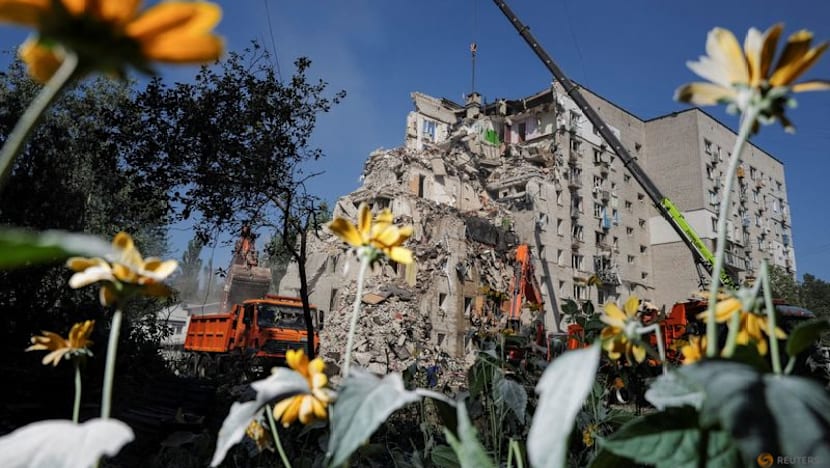
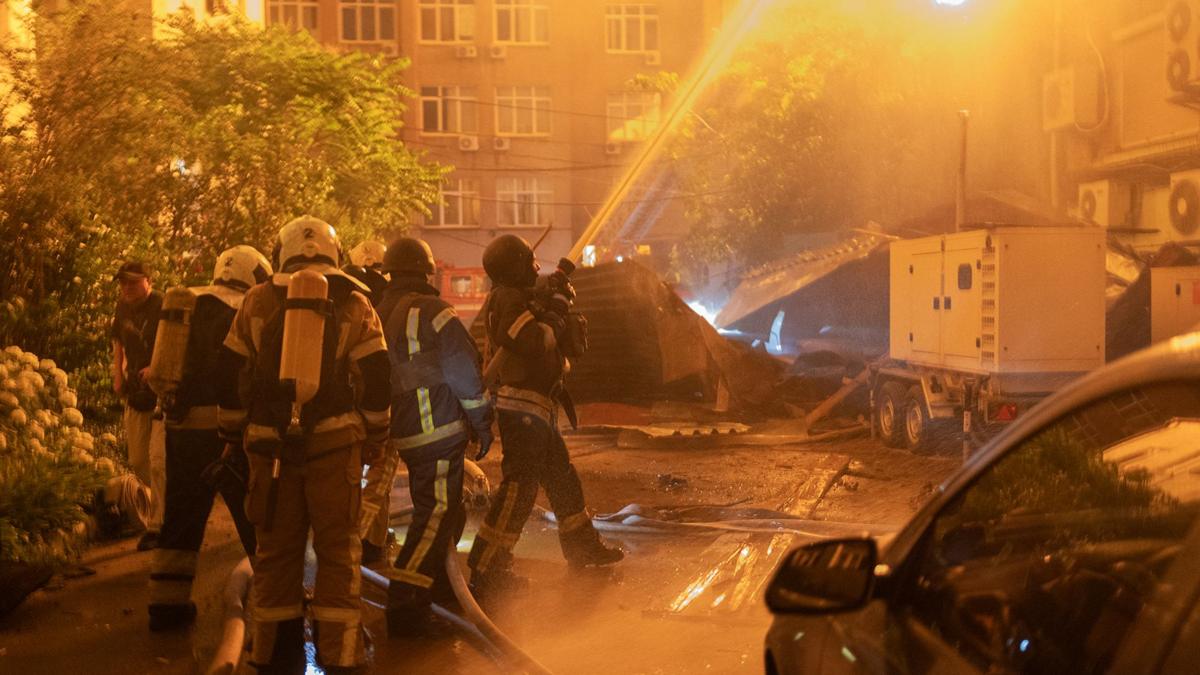
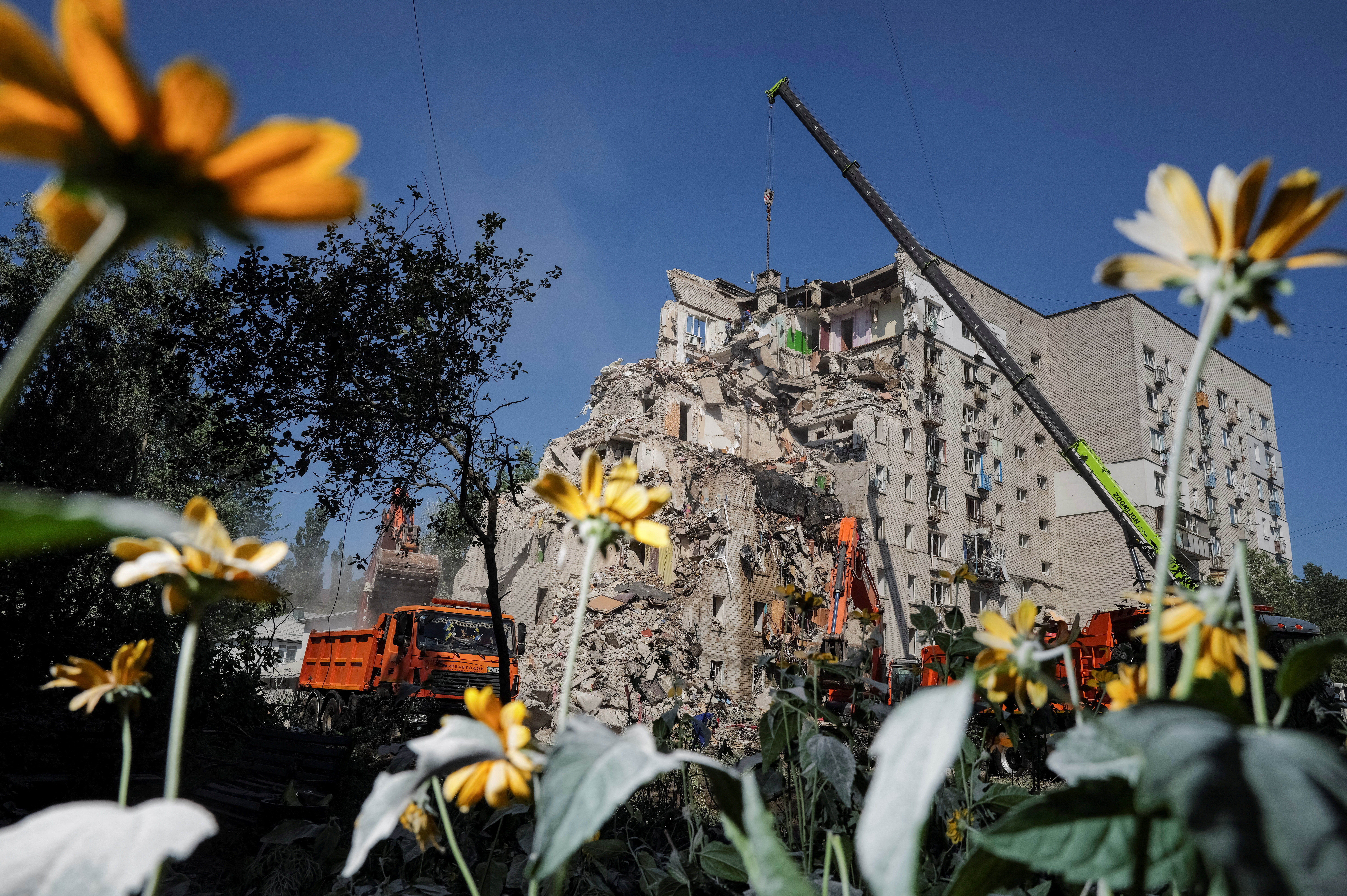
- Russia carried out its largest-ever barrage on Kyiv in the early hours of July 2, 2026, firing 496 drones and 74 missiles — including hard-to-intercept ballistic projectiles — in an hours-long attack that killed at least 21 people and wounded 85, including two children.
- Mayor Vitali Klitschko called it the "enemy's most massive attack on the capital" as roughly 52,000 people, including 4,500 children, packed into Kyiv's metro stations — the highest sheltering numbers in recent years.
- President Zelenskyy cut short a visit to Dublin after intelligence warned of an impending strike and urged Washington to grant licences so Ukraine can domestically manufacture Patriot interceptor munitions.
- EU foreign policy chief Kaja Kallas said she will propose new sanctions on Moscow over the attack, while the Kremlin publicly vowed to further ramp up "pressure" on Kyiv.
- Ukraine's air force said it intercepted 48 missiles and 476 of the 496 drones launched overnight, leaving ballistic missiles as the primary unresolved threat to residential areas.
- Ukraine's retaliatory drone campaign against Russian oil refineries — described by Zelenskyy as a 40-day blitz — has triggered a domestic fuel crisis inside Russia, the reciprocal escalation Kyiv says is aimed at forcing Putin to the negotiating table.
Why it matters: The barrage paired record drone volume with ballistic missiles that Ukraine's current Soviet-era systems struggle to stop, killing 21 civilians and sharpening Zelenskyy's push for US licences to domestically manufacture Patriot interceptors. Moscow's vow to escalate rather than negotiate, paired with new EU sanctions, shows the war is widening even as Kyiv's refinery campaign squeezes Russia's fuel supply.
Ask SkimNews