Arable Farmer's Fuel Cost Doubles to £15/Hectare — SkimNews

Get the Energy newsletter
Daily energy & climate — solar, EVs, oil, the policy fights and tech bets shaping the transition. Free.
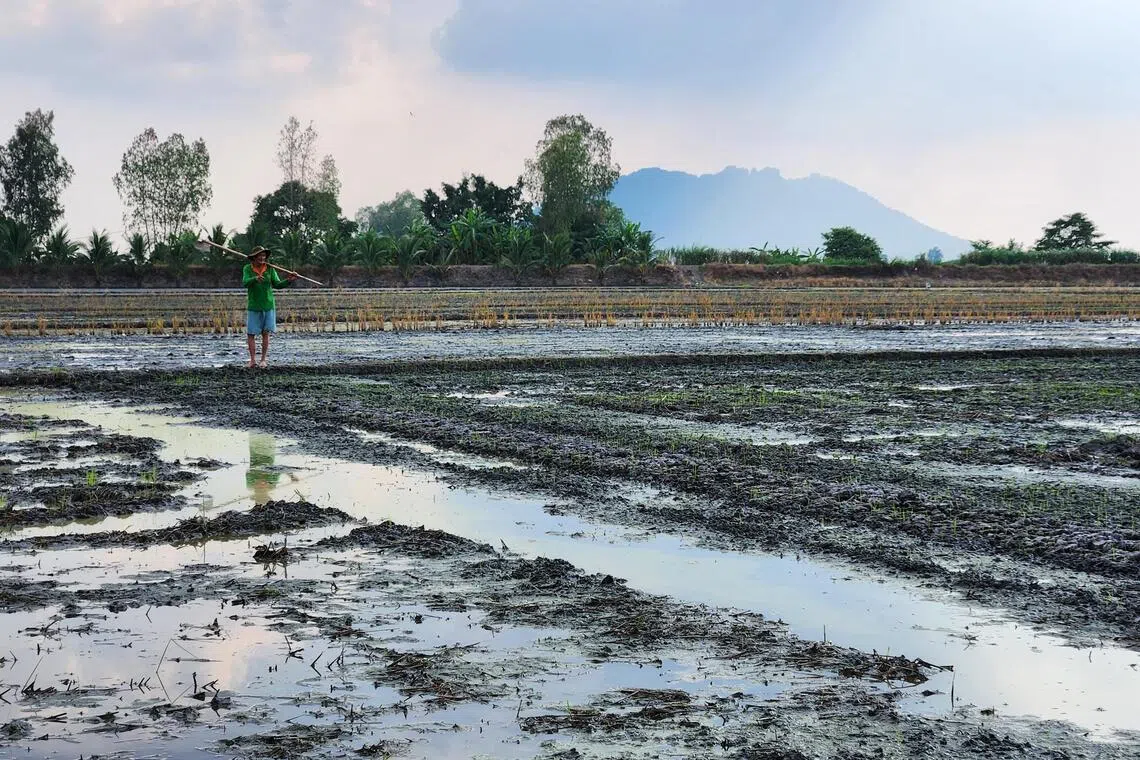
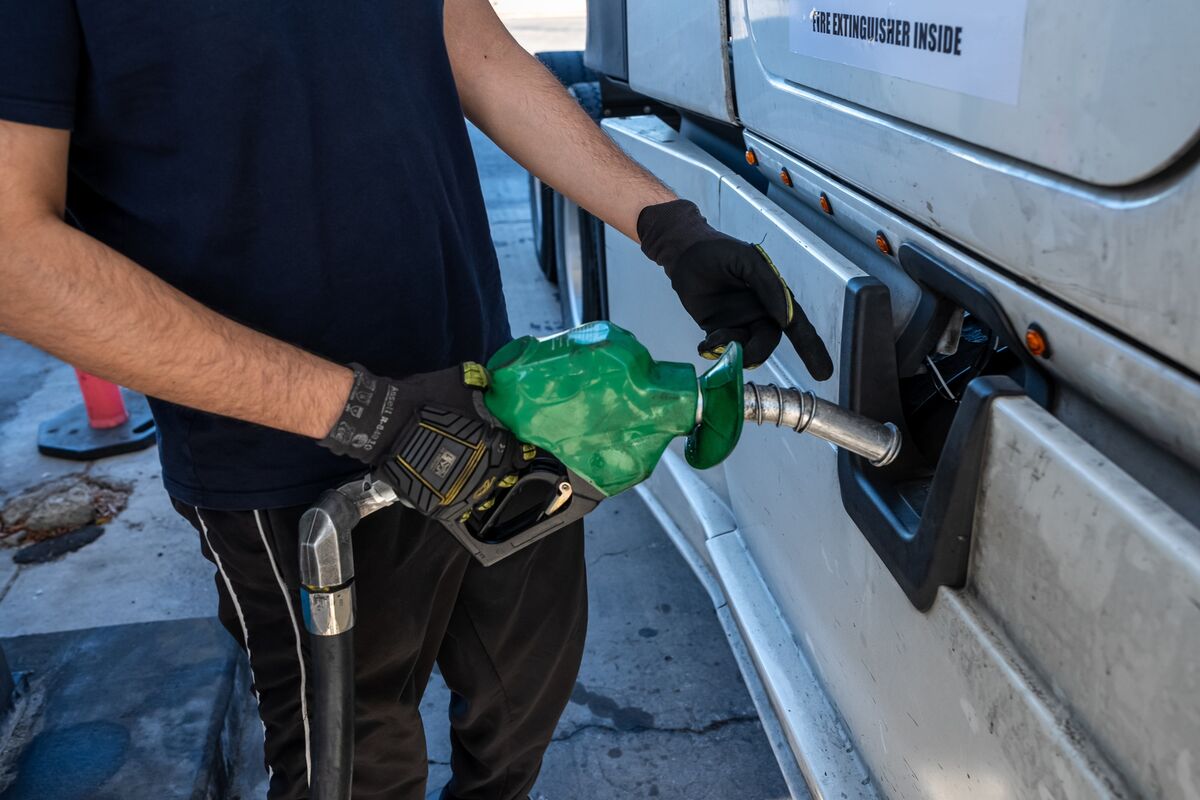
- Colin Chappell reports his fuel cost for drilling peas has doubled from £7.50 to £15 per hectare in six weeks, as the Middle East conflict drives up energy prices on his 485-hectare arable farm
- The farm burns through more than 50,000 litres of fuel a year, making it acutely exposed to global price swings despite regenerative practices
- Over seven to eight years, Chappell has shifted to a low-disturbance approach, disturbing only the top inch of soil, which has cut tractor passes and fuel use
- Fertilizer prices are also skyrocketing, and with no UK production left, the farm's usual practice of buying a year's supply each June is under severe pressure
- The farm has been carbon-neutral since 2024, uses no insecticide, and keeps more than a quarter of its land in environmental measures, producing crops like milling wheat for Warburtons and marrowfat peas for fish and chip shops
- Wildlife has rebounded alongside crops: fish have returned to the ditches, otters are back in the River Ancholme, and indicator species such as curlew and yellowhammer are present
- Since October 1, the farm has recorded 550mm of rainfall against an annual average of 650-670mm, raising fears that a dry summer will follow
Why it matters: An arable farm burning 50,000+ litres of fuel a year has limited room to absorb a doubling of per-hectare fuel costs in six weeks, and with UK fertilizer production gone and 550mm of rain already fallen against a 650-670mm annual average, Chappell's 2025 cropping season is being squeezed simultaneously on energy, inputs, and weather.
Ask SkimNews