How this 1960s ex-council house is managing to stay cool without air con — SkimNews
Get the Energy newsletter
Daily energy & climate — solar, EVs, oil, the policy fights and tech bets shaping the transition. Free.
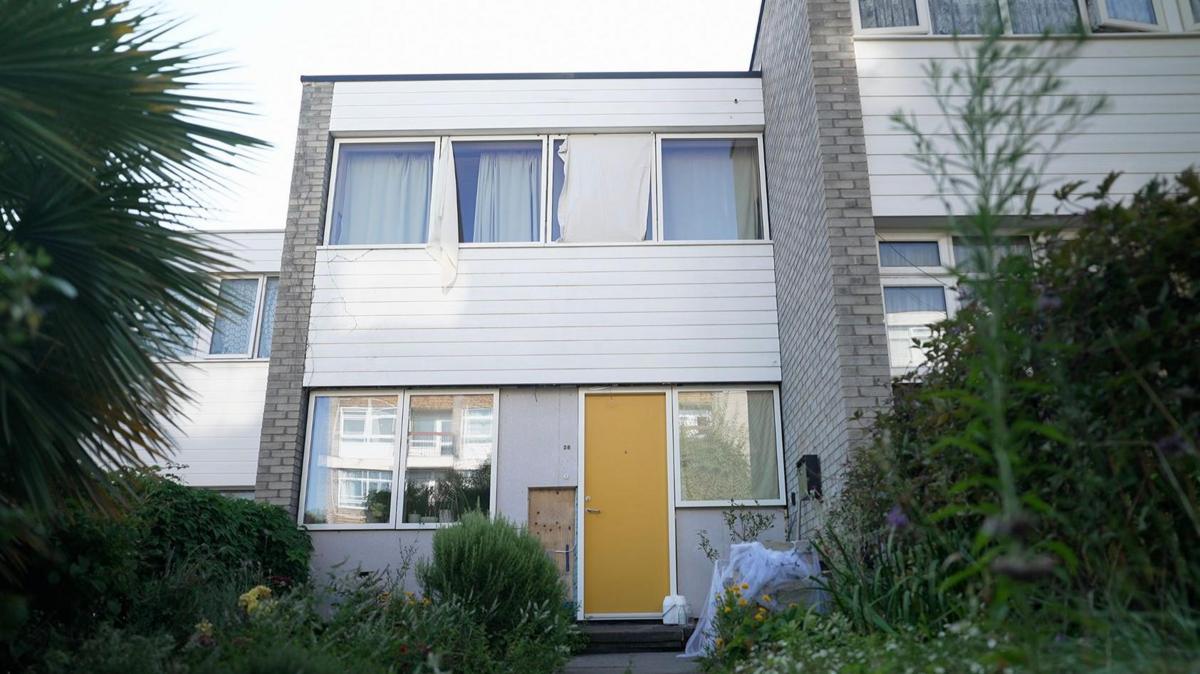
- Marion Baeli retrofitted her 1960s ex-council house in south London to Passivhaus standard over 10 years at a cost of ~£80,000, with triple-glazed windows the most expensive element at £30,000 and whole-house air-sealing the cheapest at £5,000.
- During a 35°C day — the hottest of the summer's fourth heatwave — her Passivhaus home stayed 10°C cooler inside than out; Passivhaus-standard homes are estimated to use up to 90% less energy than typical UK houses.
- The retrofit cut Baeli's energy demand by 88%, saving her roughly £750 annually and reducing winter heating to a single radiator across her four-bedroom, three-floor home.
- Around 1% of new UK homes currently meet the Passivhaus standard, but the Passivhaus Trust estimates that could rise to 10% within a decade; incorporating the standard at construction adds only 2-5% to costs.
- Barratt Redrow is building 900 apartments to the standard at Bollo Lane in west London with heat pumps, with technical director Oliver Novakovic calling the project an experiment to "future-proof" against tightening regulations.
- The article flags a key limitation: during a 27°C tropical night in June, Baeli's home never dropped below 27°C — the highest interior temperature she has recorded — and she said she may need limited air-conditioning for such nights.
- City of York Council failed in April to attract construction firms for 315 Passivhaus homes, and a government support scheme for low-income insulation is closing later this year after reports of botched work — even though 80% of the UK's 2050 housing stock already exists today.
Why it matters: Retrofitting to Passivhaus costs ~£80,000 while a government insulation scheme for low-income households closes later this year after botched-work reports. With overheating already threatening more than half of UK homes and projected to hit 92% by 2050, the £80K barrier puts adaptation out of reach for most — and Baeli's own home still couldn't cool below a 27°C tropical night.
Ask SkimNews